‘Godfather of AI’ warns superintelligent systems could ‘lead to human extinction’ – as he calls for the government to ban their development
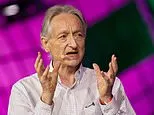
Geoffrey Hinton, the British-Canadian computer scientist known as the "godfather of AI" for his pioneering work on neural networks, has warned that superintelligent artificial intelligence could pose an existential threat to humanity. He argues that developing AI systems more powerful than any individual, company or nation would be reckless given the lack of scientific consensus on how to control them safely, and could ultimately lead to human extinction if control is lost. His intervention matters because it lends significant scientific credibility to calls for binding regulation, set against resistance from prominent industry figures who favour a lighter-touch approach.
His comments coincide with the UK Artificial Superintelligence Security Bill, drafted by campaign group ControlAI and put forward by Labour MP Alex Sobel, which is due to be presented to Parliament and would prohibit the development of superintelligent AI in Britain. ControlAI says the campaign already has support from more than 135 cross-party parliamentarians, as well as Nobel laureates and AI executives who have described mitigating extinction risk as a global priority. This stands in contrast to figures such as OpenAI's Sam Altman, who has warned that EU-style regulation would be "disastrous" for innovation, prompting Hinton to call for "counter-pressure" against unregulated AI development.
In short
- Geoffrey Hinton warns superintelligent AI could risk human extinction
- UK bill seeks to ban superintelligent AI development, backed by 135+ MPs
- Contrasts with tech leaders like Sam Altman opposing strict AI regulation
Steelman: both sides, in good faith
The strongest fair case each way — we don't pick a winner.
The case for
A temporary ban on developing superintelligent AI could be a prudent safeguard while researchers lack a reliable way to ensure such systems remain under human control. Because a loss of control could have irreversible consequences, supporters argue that waiting for stronger safety evidence and coordinating rules internationally is more responsible than relying on voluntary industry restraint.
The case against
A ban could slow beneficial research and push development to countries with weaker safeguards, leaving the UK less able to influence how the technology evolves. Those favouring lighter regulation argue that targeted safety requirements, transparency and international cooperation can address risks while preserving innovation and potential public benefits.
Explained simply
Artificial intelligence (AI) systems are computer programmes that can perform tasks such as recognising patterns and generating text. Geoffrey Hinton is a computer scientist whose work helped develop the neural networks used in many modern AI systems. “Superintelligent AI” refers to a possible future system that would outperform people across a wide range of tasks.
The debate is about whether developing such systems could be made safe, and what rules governments should set. A UK bill proposed by Labour MP Alex Sobel would ban their development in Britain; it was drafted by the campaign group ControlAI. The issue matters because governments are weighing concerns about safety against arguments that strict rules could hinder innovation.
AI Government Politics Technology World