Weird & Viral news and discussion on TalkFuse.
Google, TikTok And Meta Sue To Block California’s Social Media Law That Restricts Addictive Features For Children
Developing story first seen 4 hours ago
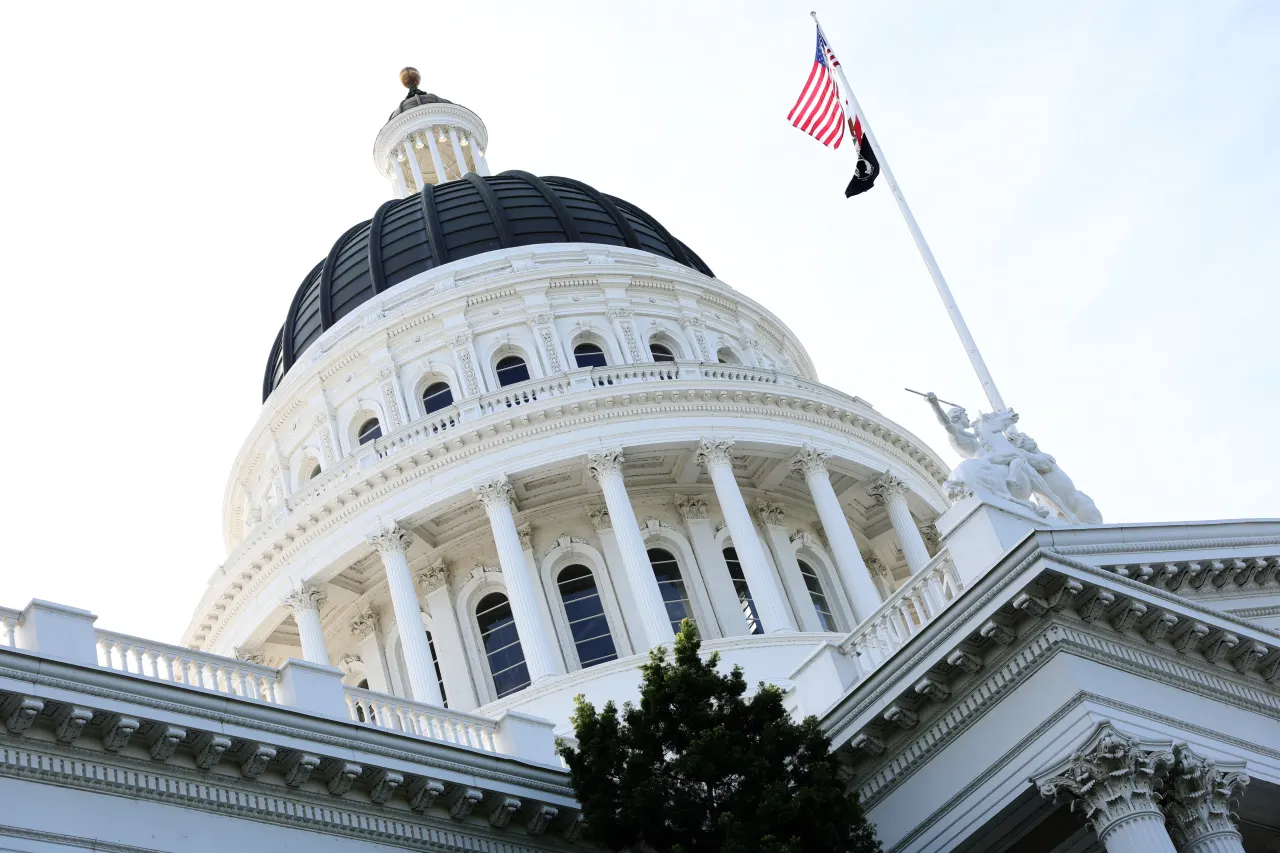
Google, Meta and TikTok have filed lawsuits seeking to stop California’s new restrictions on social media features deemed addictive for children under 16. The companies argue that limits on personalised feeds and autoplay violate their First Amendment rights; Google also says the law conflicts with Section 230. Their challenge puts the law’s planned 1 January start date in doubt.
The law, AB 1709, was signed by Governor Gavin Newsom in September and applies even when parents consent. TikTok says it could prevent its “For You” feed for younger users, while Meta says it would restrict personalised feeds and autoplay on Facebook, Instagram and Threads; Google cites YouTube recommendations and autoplay. California’s attorney general’s office says it will defend the law. The lawsuits follow jury findings against Meta and YouTube in a child social media addiction case, and a separate $375 million penalty against Meta in New Mexico.
- Sources
- 2
- Outlets
- 2
- Left · Centre · Right
- 0 · 1 · 0
In short
- Three platforms are suing to block California’s child safety law.
- The law would restrict personalised feeds and autoplay for under-16s.
- It is due to take effect on 1 January.
How this story developed
- 2 hours ago Google, Meta and TikTok have sued California to block a law restricting social media features considered addictive for children under 16. The companies argue that limits on personalised recommendations and autoplay would infringe their First Amendment rights, while Google also says the law conflicts with Section 230.
- 2 hours ago Google, Meta and TikTok have filed lawsuits seeking to stop California’s new restrictions on social media features deemed addictive for children under 16.
Steelman: both sides, in good faith
The strongest fair case each way — we don't pick a winner.
The case for
Supporters of the law argue that platforms’ personalised feeds and autoplay can encourage prolonged use by children, so targeted limits are a reasonable way to protect their wellbeing. They may see the rules as a public-health safeguard for under-16s, while noting that parental consent alone cannot address design choices that affect young users broadly.
The case against
The companies argue that recommendations and autoplay are part of how users discover and view content, and that restricting them based on age could burden protected expression and disrupt services used by young people and families. They also contend that the law’s broad requirements may conflict with federal protections, and that parents should retain a central role in deciding how their children use these platforms.
Explained simply
Social media platforms use tools such as personalised feeds, which select posts for each user, and autoplay, which starts the next video automatically. California’s AB 1709 sets limits on features the state considers addictive for users under 16, even if their parents agree.
The law was signed by Governor Gavin Newsom and covers services including TikTok, Facebook, Instagram, Threads and YouTube. The companies say the restrictions could affect how they recommend content and argue that the law conflicts with legal protections for online speech and platforms.
The dispute is part of wider scrutiny of how social media affects children. Courts and regulators have also examined claims about harm to young users, making the balance between child safety, parental choice and how platforms operate a significant issue.