Google satellite completes first in-orbit AI inference with haiku
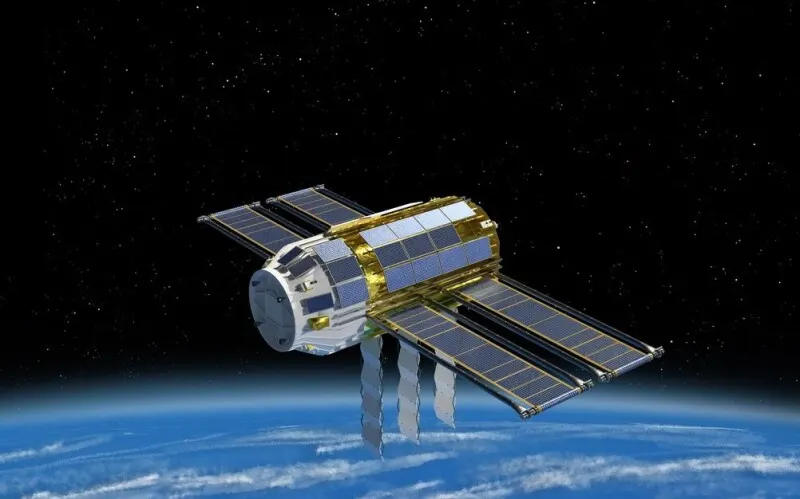
Google says its experimental Suncatcher satellite has received a prompt from a ground station and sent back a haiku generated by an onboard AI model. The response marks the prototype’s first successful inference from orbit, a step in Google’s research into whether future data centres could operate in space.
The satellite, launched earlier this month, used Google’s Gemma 4 model and returned its poem while passing over Svalbard, Norway. Google says a comparable response through its cloud API would cost about $0.000012, while launching a satellite at today’s estimated rate of $7,000 per kilogram is far more expensive. The company estimates that launch costs falling to $200 per kilogram could make orbital data centres more competitive with terrestrial electricity costs; it plans further tests of radiation effects and interconnected satellites.
In short
- Google’s Suncatcher satellite generated its first AI response in orbit.
- The haiku would cost about $0.000012 through Google’s cloud API.
- Google is testing whether cheaper launches could make orbital data centres viable.
Steelman: both sides, in good faith
The strongest fair case each way — we don't pick a winner.
The case for
The successful inference is an early proof of concept for processing data in orbit, which could eventually offer access to abundant solar power and support computing where terrestrial infrastructure is limited. Google’s planned tests of radiation effects and satellite links could establish whether the approach can become practical as launch costs fall.
The case against
A single haiku demonstrates only a basic capability, while the reported launch costs are vastly higher than the price of producing the same response through a cloud API. Orbital computing would also need to prove it can withstand radiation and operate as part of a reliable network before its energy or access advantages could justify the expense.
Explained simply
Data centres are buildings filled with computers that store information and run services such as AI. They need electricity and cooling, and their use is growing as more people and businesses rely on digital services. Researchers are exploring whether some computing could take place in space, where satellites could use sunlight for power.
Google is a technology company that runs a large cloud computing business and develops AI models, including its Gemma family. Its Suncatcher project is testing whether satellites can run AI tasks while in orbit and communicate with ground stations. The research is at an early stage, and launch costs, radiation and links between satellites are among the challenges that could affect whether the idea is practical.
AI Art Culture Research Science Space Technology
Read the full article at the source →
Originally published by The Register as “Google’s AI satellite sends a very expensive haiku to Earth”.