Altman criticises underused PC memory amid global RAM shortages
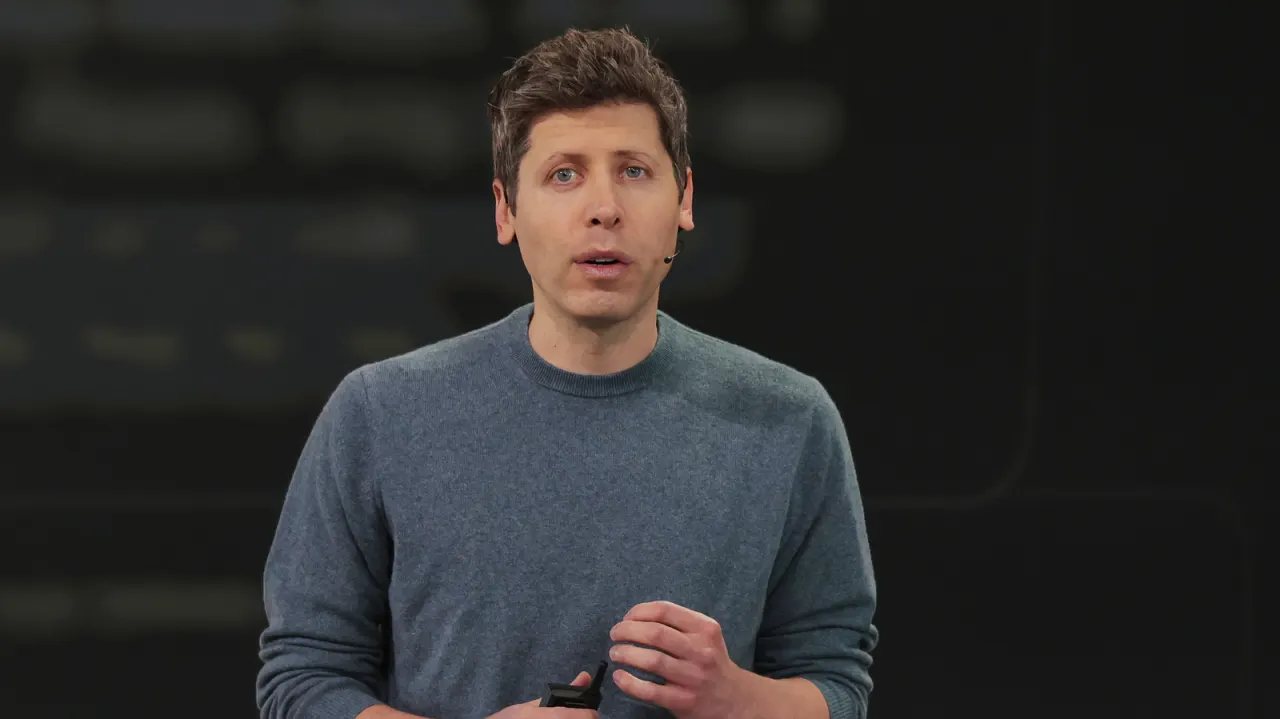
OpenAI chief executive Sam Altman called it “quite terrible” for people to keep large amounts of the world’s limited DRAM supply in personal computers when they use it only a small fraction of the time. He was discussing local AI inference during an interview, arguing that cloud computing should make better use of scarce memory; his comments have drawn criticism amid shortages and rising prices.
The article says AI data centres have increased demand for RAM, pushing up costs for memory and devices that contain it. OpenAI has agreements tied to roughly 40 per cent of global RAM output, while many people also need substantial memory for gaming, streaming and video editing, not just running AI models locally. Manufacturers are passing higher memory costs on to consumers.
In short
- Altman criticised keeping underused DRAM in personal computers.
- AI data centre demand is contributing to RAM shortages and higher prices.
- OpenAI agreements are tied to roughly 40 per cent of RAM output.
Steelman: both sides, in good faith
The strongest fair case each way — we don't pick a winner.
The case for
With DRAM in short supply, leaving large amounts of memory idle in personal computers may be an inefficient use of a constrained resource. Cloud computing could pool capacity and keep it more fully utilised, potentially making computing services more accessible than requiring each user to buy and maintain substantial memory.
The case against
People buy memory for varied uses, including gaming, streaming, editing and running AI locally, and may reasonably value having it available when they need it. Shifting more workloads to cloud services could increase reliance on providers whose data centres are already driving demand and whose access may come with costs, limits or privacy concerns; asking consumers to use less also sits uneasily with rising prices linked to that demand.
Explained simply
DRAM, or memory, is a computer’s short-term workspace: it holds data that the processor needs quick access to while programmes are running. More memory can help with demanding tasks such as gaming, video editing and running AI models on a personal computer.
AI companies also use large banks of memory in data centres, where they run services for many users over the internet. As demand from these centres grows, memory supplies can become tighter and prices can rise, affecting the cost of computers and other devices.
Sam Altman leads OpenAI, which develops AI systems and has agreements linked to a substantial share of global RAM output. The debate is over how best to use limited memory: in personal computers, where people may need it for different tasks, or in shared data centres serving many users.
Read the full article at the source →
Originally published by Engadget as “Sam Altman is upset at you for hoarding RAM in your own computer”.