Hell Let Loose: Vietnam review
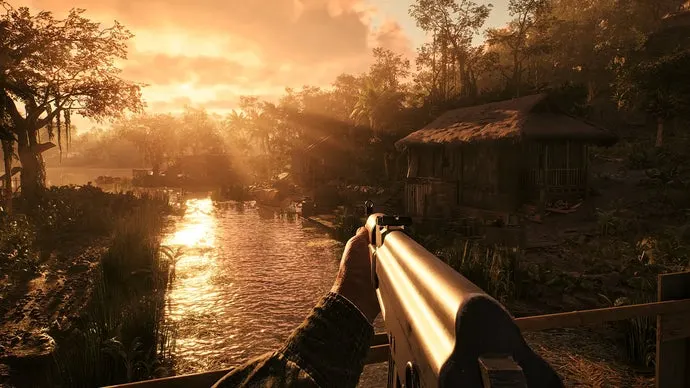
Hell Let Loose: Vietnam is a demanding 100-player multiplayer shooter that makes communication and co-ordination essential, placing US Army and North Vietnamese Army forces in large, dense jungle battlefields. Its strongest moments come when squads, leaders and commanders work together effectively, creating tense and absorbing combined-arms battles; however, the review argues that these moments are too infrequent to outweigh the difficulty of learning and relying on uncoordinated teammates.
The game retains the original Hell Let Loose’s classes and strict command structure, with six-player squads led by officers who place spawn points, while a commander calls in supplies and airstrikes. Vietnam introduces limited faction differences: the US can use helicopters, while the NVA can construct tunnels for rapid movement, though these do not greatly alter everyday play. Dense vegetation, uncertain kill confirmation and strong map design heighten the tension, making spotting enemies and surviving alone particularly difficult.
- Communication is vital but the learning curve is punishing.
- Large-scale battles can be captivating when teams co-operate.
- Jungle maps create tense, difficult-to-read combat.
New here? Start with this
Hell Let Loose: Vietnam is a multiplayer video game set during the Vietnam War, in which players fight as US Army or North Vietnamese Army soldiers. Battles take place across large jungle maps, where thick vegetation can make it hard to spot opponents or know where fire is coming from.
Players join six-person squads led by officers, while a commander directs the wider team and can call in support. The US side can use helicopters, while North Vietnamese forces can build tunnels to move around the battlefield.
The game builds on the team-based structure of the original Hell Let Loose. Its battles depend on players communicating and co-ordinating, so how well people work together is central to the experience.
Both sides, in good faith
The strongest fair case each way — we don't pick a winner.
The case for
The game’s demanding design can create a distinctive, absorbing experience: communication, strict command roles and difficult jungle terrain make successful teamwork feel consequential, while helicopters and tunnels add some flavour to the opposing forces. For players who value tactical coordination and tense battles over immediate accessibility, the steep learning curve is part of the appeal.
The case against
The same design can make enjoyment depend too heavily on whether strangers communicate and coordinate well, leaving players with little control over the game’s best moments. If faction differences do not substantially change play and the learning demands remain high, the teamwork payoff may be too occasional to justify the frustration for many players.