How ‘Coyote vs. ACME’ Broke All the Rules of Live-Action Looney Tunes Movies, and Got Away with It
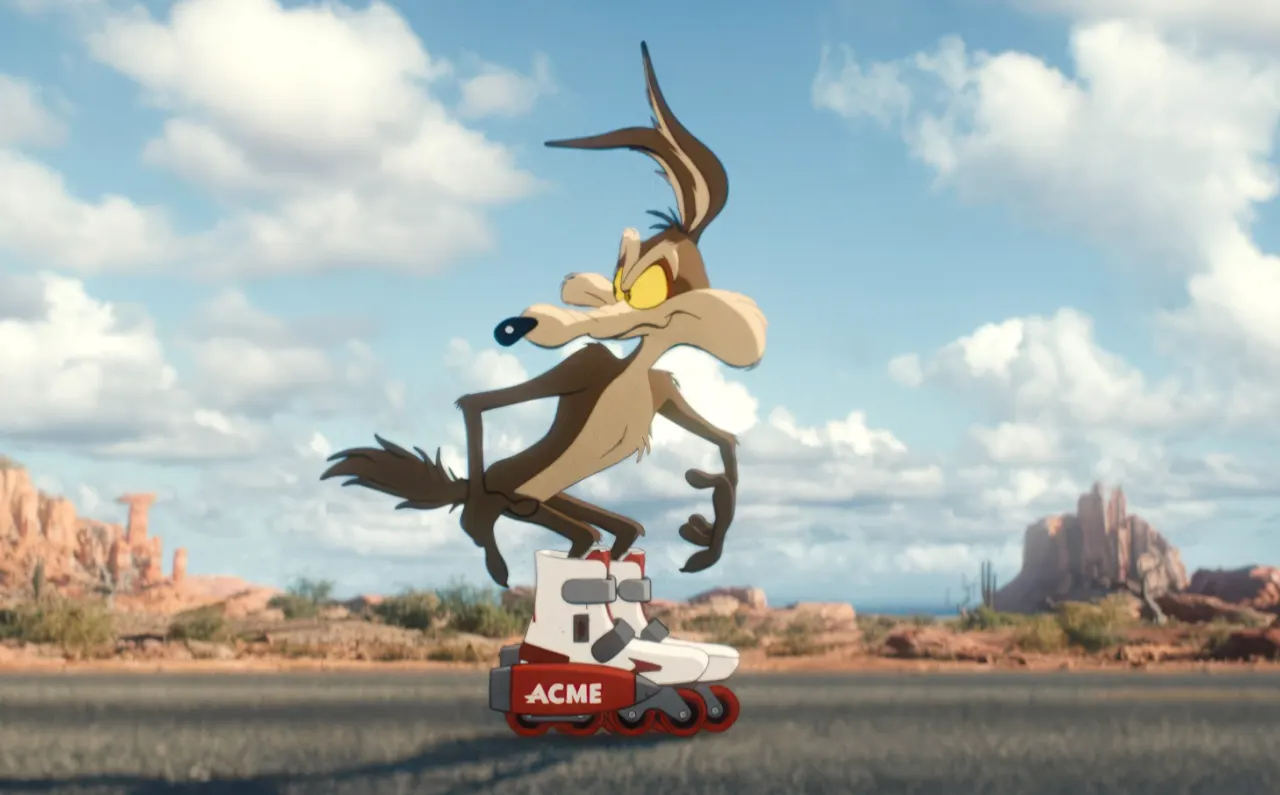
Coyote vs. ACME deliberately rejects the usual live-action Looney Tunes formula by treating its animated characters as ordinary members of a shared human-cartoon society rather than as famous performers. Director Dave Green and screenwriter Samy Burch say this approach helps the film feel more like an extended classic cartoon while supporting its central legal story of Wile E. Coyote suing ACME over its defective products.
The film follows Coyote and his reluctant lawyer, Kevin Avery, played by Will Forte, as they confront ACME’s counsel Buddy Crane, played by John Cena. Green revisited Chuck Jones’s original Coyote shorts and worked with experienced Looney Tunes artists to preserve a version of the character who is both clever and foolish: a lonely, hungry desert figure obsessively trying to catch the Road Runner. The film reached cinemas after Warner Bros. Discovery shelved it, before public pressure and distributor Ketchup Entertainment helped secure its release.
- The film makes Looney Tunes characters ordinary citizens, not celebrities.
- Coyote sues ACME over its repeatedly faulty inventions.
- Its creators drew closely on Chuck Jones’s original Coyote shorts.
New here? Start with this
Looney Tunes is a long-running Warner Bros. series of animated comedy shorts, featuring characters including Wile E. Coyote and the Road Runner. Their classic cartoons usually show the Coyote devising elaborate traps to catch the Road Runner, with the plans backfiring on him.
ACME is the fictional company that supplies the Coyote’s unreliable inventions in those cartoons. The film places these animated characters alongside humans and centres on a legal dispute, using a live-action setting while keeping the Coyote’s familiar comic role.
Both sides, in good faith
The strongest fair case each way — we don't pick a winner.
The case for
Treating the Looney Tunes as ordinary citizens rather than celebrity performers can make the premise feel more emotionally sincere and allow Wile E. Coyote’s familiar failures to carry genuine narrative consequence. Supporters would argue that the legal plot gives a classic cartoon conflict a fresh structure, while close study of Chuck Jones’s work and collaboration with veteran artists show respect for the character’s comic essence. They may value creative renewal that preserves the spirit of the originals without simply repeating their format.
The case against
Critics could reasonably argue that live-action Looney Tunes works benefit from acknowledging the characters as performers, because that framing protects the playful artificiality and celebrity persona central to their cultural identity. Turning Coyote’s suffering and loneliness into the basis for a legal drama may risk over-explaining a character whose appeal lies in concise, consequence-free visual comedy. They may value fidelity to the established formula and worry that a more grounded shared-world approach could dilute the anarchic tone of the cartoons.