How Data Centers Broke American Politics
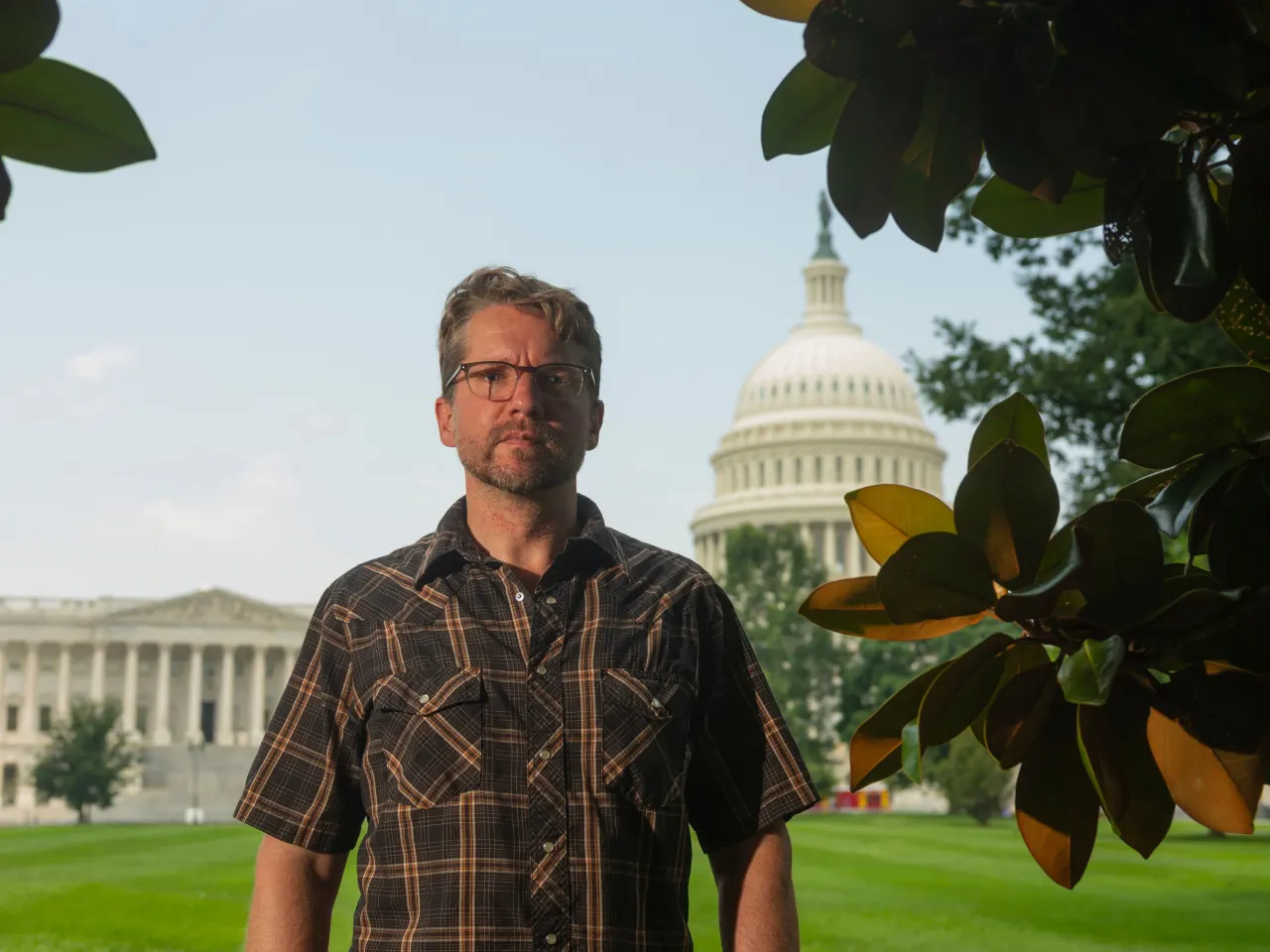
Wired's report examines the fast-growing backlash against AI data centres sweeping across the United States, focusing on Georgia as a hotspot of resistance. The piece follows Joe Allen, an anti-tech commentator who gained prominence on Steve Bannon's War Room podcast, as the author explores how opposition to data centre construction is uniting people from opposite ends of the political spectrum, from tech-sceptic populists to environmental campaigners, in what the writer describes as a near-religious fury rarely seen in energy and environmental reporting.
The article traces how data centres, once quietly built for decades near fibre networks and power sources such as Silicon Valley and the Washington DC area, expanded dramatically after the launch of ChatGPT sparked an AI arms race. Tech companies pushed for rapid construction of massive "hyperscale" facilities, a drive the Trump administration supported by rolling back environmental regulations, prompting firms to seek out the cheapest available land, power and water across the country.
In short
- Data centre backlash unites left and right against AI infrastructure buildout.
- ChatGPT's rise triggered a rapid hyperscale data centre construction race.
- Trump administration eased environmental rules to speed development.
Steelman: both sides, in good faith
The strongest fair case each way — we don't pick a winner.
The case for
Data centres represent essential infrastructure for technological advancement and national competitiveness in artificial intelligence, bringing significant economic development and employment to regions that require investment. Proponents argue that environmental concerns, whilst legitimate, are manageable through modern efficiency standards and can operate within existing frameworks; moreover, the energy sector is gradually transitioning to renewables, which these large industrial customers can help accelerate through their power procurement. The rapid expansion reflects genuine demand for computing resources underpinning modern services across commerce, healthcare, and research.
The case against
Communities raising objections express substantial concerns about environmental costs—notably water consumption in water-stressed regions, energy demands straining local grids, and carbon footprints—that are not adequately offset by local employment or community benefit. Opponents argue that decisions are proceeding too rapidly with insufficient democratic deliberation, with regulatory rollbacks allowing corporations to prioritise speed and cost reduction over environmental stewardship, and that rural and economically disadvantaged communities are bearing the material costs of infrastructure whose benefits primarily enrich distant shareholders and urban consumers.
Explained simply
Data centres are large buildings filled with computers that store information and run online services. The spread of generative AI tools such as ChatGPT has increased demand for these facilities, which need substantial supplies of electricity and water and are often built near power lines and fibre networks.
Technology companies are seeking land and energy for larger data centres across the United States. In Georgia, Joe Allen, a technology critic known for appearing on Steve Bannon’s War Room podcast, has become one voice in opposition. People concerned about the projects include both political populists wary of technology and environmental campaigners.
The debate brings together concerns about local land and water use, energy demand and the pace of AI development. It also raises questions about how government policy shapes where data centres are built and how quickly they can be approved.