I Put the Best Digital Notebooks to the Test. Here Are My Favorites (2026)
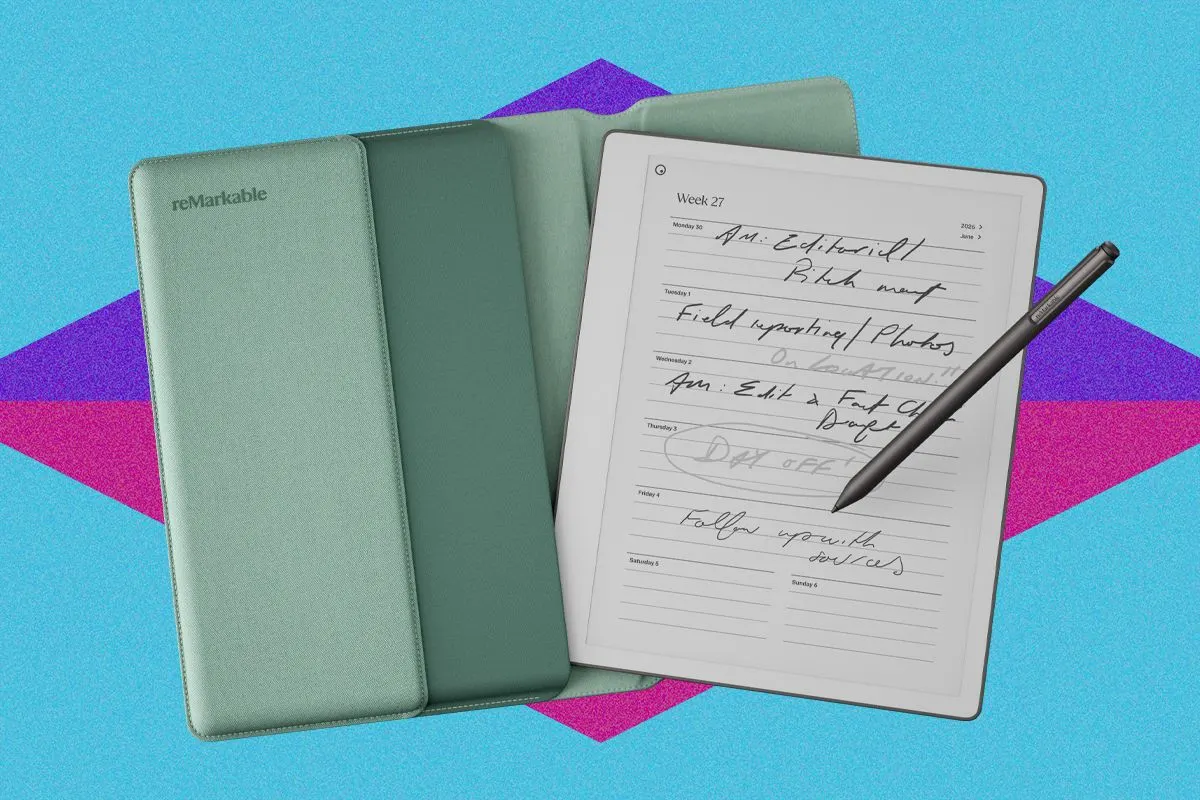
This Wired buying guide rounds up the best digital notebooks tested for 2026, aimed at anyone wanting to combine the feel of handwriting with the convenience of digital storage and organisation. The reviewer highlights that E Ink-based devices offer a more paper-like writing experience than tablets or note apps, while helping users retain ideas without losing notes or burning through paper.
The top picks include the ReMarkable Paper Pro (£629/$629) as the overall best choice, praised for its colour screen, 10.8-inch display, adjustable ambient screen light and accessory ecosystem, and the Amazon Kindle Scribe 2nd Gen ($400) as a personal favourite for its battery life and convenience. Other featured options include the Kobo Libra Colour ($260) as best for books and the ReMarkable Paper Pure ($399) as the budget pick. The guide also covers organisational features such as tagging, cloud syncing via services like Google Drive and Dropbox, a ReMarkable Connect subscription ($3/month), and beta tools including handwriting search and template libraries.
- Wired's 2026 guide ranks the best digital notebooks and smart pens.
- ReMarkable Paper Pro named best overall; Kindle Scribe a top pick.
- Kobo Libra Colour and ReMarkable Paper Pure recommended for books and budget.
New here? Start with this
Digital notebooks use electronic ink, or E Ink, screens designed to look and feel more like paper than the displays on most tablets. They let people write by hand while saving notes digitally, where they can be organised, searched or synced to other devices.
The main choices differ in screen size and colour, battery life, reading features and how notes are stored or shared. Some rely on a maker’s own cloud service or charge for extra features, while others work with services such as Google Drive and Dropbox.
These devices sit between paper notebooks and general-purpose tablets: they are built mainly for writing and reading, rather than running a wide range of apps. Their appeal depends on whether a more paper-like writing experience and digital storage suit a reader’s habits and budget.