New releases, music videos and album news — indie, rap, rock and pop. Always covering Ren, Chris Webby, Sam Tompkins, bbno$, CHINCHILLA, Muse, Yungblud and more.
In 1969, Pete Townshend attacked a protester at Woodstock. He turned the incident into The Who’s most powerful anthem
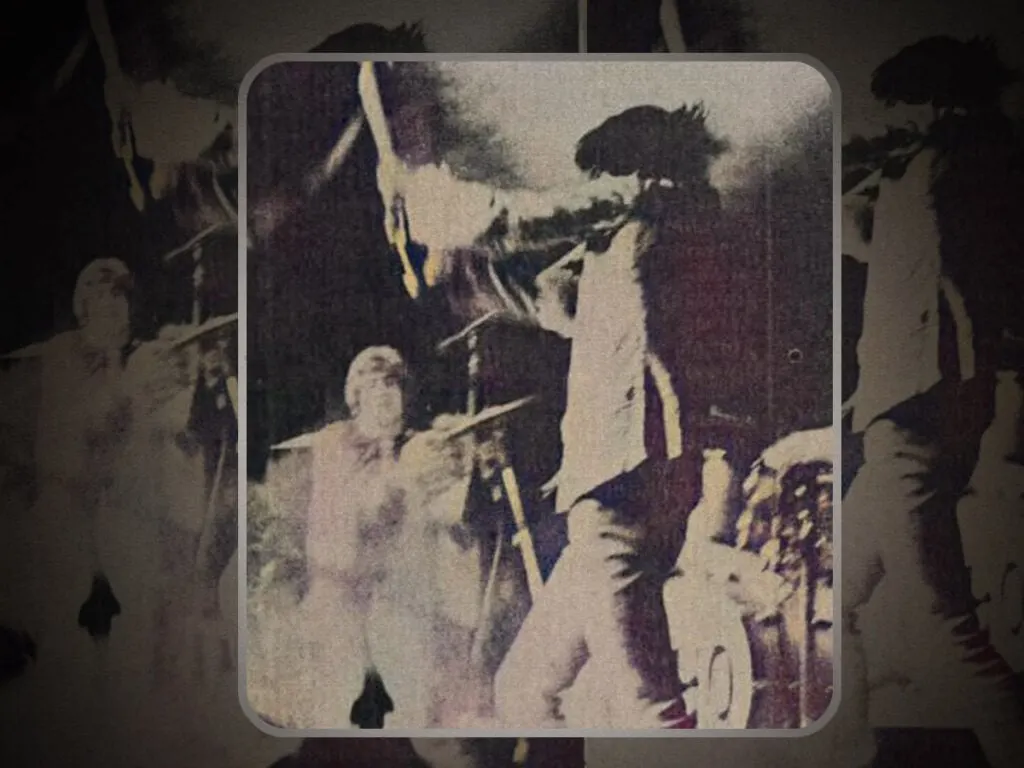
At Woodstock in 1969, Pete Townshend’s already low opinion of the festival worsened after Abbie Hoffman interrupted The Who’s set and took the microphone. Townshend removed Hoffman from the stage, and the article says the experience helped inspire “Won’t Get Fooled Again”, a song expressing scepticism about revolutionary movements and the leaders who replace those in power.
Townshend recalled being left in mud for hours with his six-month-old child and claimed that LSD had been put in his coffee and was present in muddy water. The band began playing at about 5 am, when Hoffman came onstage. The song’s closing line, “Meet the new boss / Same as the old boss”, distils its view that a change of rulers may leave the same problems in place.
In short
- Hoffman interrupted The Who at Woodstock.
- Townshend turned his frustration into “Won’t Get Fooled Again”.
- The song questions whether revolutions change who holds power.
Steelman: both sides, in good faith
The strongest fair case each way — we don't pick a winner.
The case for
The song’s scepticism can be read as a warning that revolutionary movements may replace one set of leaders with another without changing the structures that shape people’s lives. Townshend’s account of Woodstock—exhaustion, disorder and an unwanted interruption—helps explain why he might have distrusted grand political promises and valued hard-earned independence over slogans.
The case against
The episode can also be read as a protester challenging a celebrated band at a festival that carried political meaning, with Townshend’s response reflecting a performer’s control of the stage as much as any considered political judgement. Broad scepticism about revolution may obscure the differences between movements and leave existing power unchallenged, even when reform or protest could address real grievances.