New releases, music videos and album news — indie, rap, rock and pop. Always covering Ren, Chris Webby, Sam Tompkins, bbno$, CHINCHILLA, Muse, Yungblud and more.
In 1977, Talking Heads were just emerging from CBGB. Some people were already accusing them of selling out
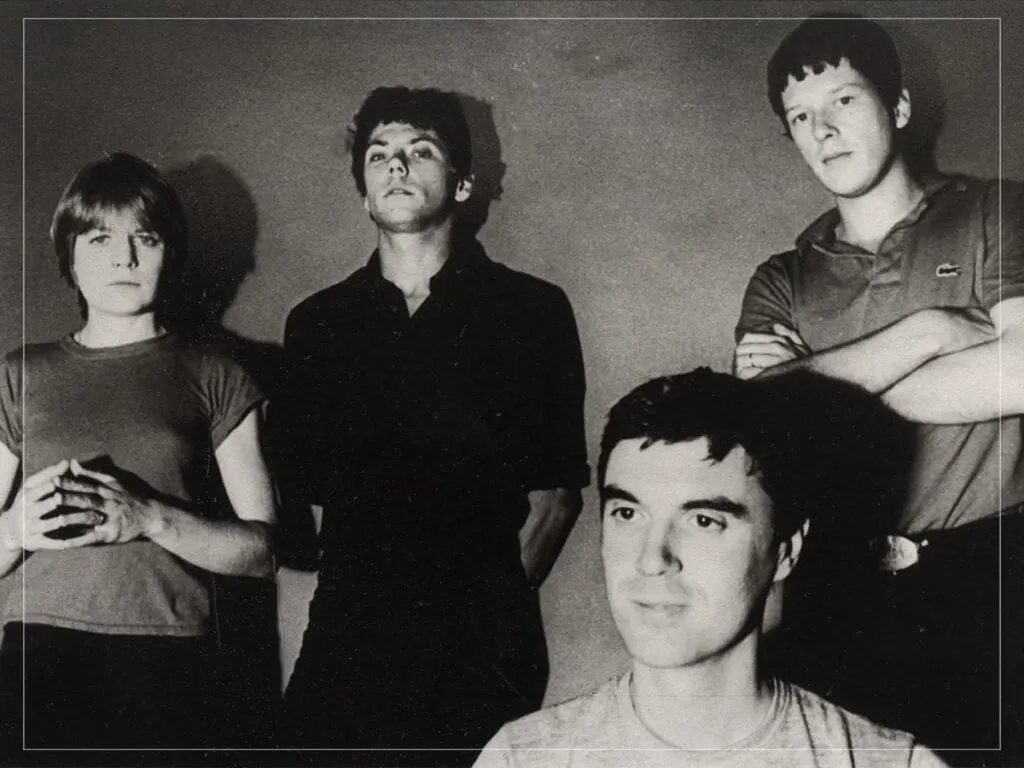
Talking Heads were accused of “selling out” after adding horns to ‘New Feeling’, a song recorded before their 1977 debut album was released. The criticism came from listeners at CBGB, where the New York band had built a following, and reflects the tensions around what punk was supposed to sound like.
The band had developed a sizeable catalogue while regularly introducing new songs at the club. Jerry Harrison said they hoped the horns would bring to mind Al Green or a Stax Records sound; ‘New Feeling’ became the B-side to ‘Love→Building on Fire’. The article argues that this experimentation was an early sign of the individuality that later helped the band’s music find new audiences.
In short
- CBGB listeners criticised Talking Heads for adding horns.
- ‘New Feeling’ appeared as a single B-side.
- The experiment hinted at the band’s distinctive sound.
Steelman: both sides, in good faith
The strongest fair case each way — we don't pick a winner.
The case for
Adding horns could reasonably be heard as artistic growth: the band were exploring soul and Stax-inspired sounds rather than treating punk as a fixed set of rules. Experimentation may have helped Talking Heads develop a distinctive style and reach listeners beyond their original club audience.
The case against
Listeners who valued CBGB’s punk scene could reasonably see the horns as a move away from the raw, stripped-back sound that gave the band its credibility there. Calling it “selling out” may have expressed concern that broadening the music to attract new audiences would weaken the scene’s independent spirit.
Explained simply
Talking Heads formed in New York in the mid-1970s and became part of the music scene centred on the club CBGB. They were associated with punk, a style often linked to stripped-back arrangements and a do-it-yourself approach.
Punk audiences did not all agree on what the music should sound like, and some listeners saw changes in style as a departure from those ideals. Talking Heads drew on a wider range of influences, including soul music associated with Al Green and Stax Records.