Bedroom 3D printing may expose residents to particles and gases
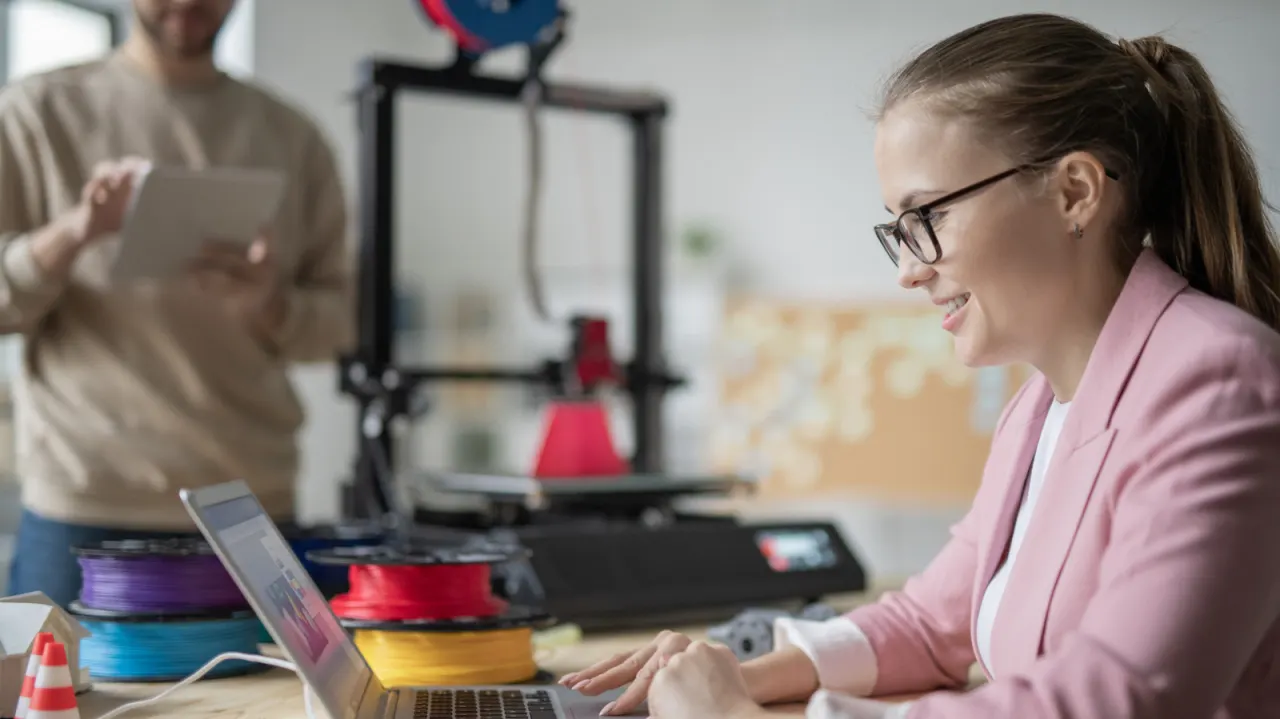
3D printers can release ultrafine particles and gases, including when using PLA, so running one beside a bed or desk may mean prolonged exposure. The article says a bedroom is a poor place for overnight printing and that a home office needs careful ventilation, although research has not established what long-term household exposure does to people or a safe level for bedrooms.
ABS generally emitted more particles than conventional PLA in a 2026 test of 17 commercial filaments, but emissions varied by brand, temperature and additives. Resin printing brings separate risks, including skin reactions and asthma from uncured resin. A ventilated separate room is preferable; an enclosure ducted outdoors can help, while open windows and filters alone may not reliably remove emissions. NIOSH also advises minimising time near operating printers and keeping them away from flammable materials.
- PLA also releases particles and gases.
- Bedrooms are poor places for overnight printing.
- Ventilation and source capture matter.
New here? Start with this
Three-dimensional printers, which create physical objects by melting and layering plastic or resin, have become popular tools for hobbyists and professionals working from home. When these machines operate, they release tiny particles and volatile gases into the air, raising questions about whether people's health could be affected by breathing these emissions, particularly if printers run overnight or for extended periods in bedrooms or home offices.
Scientists have measured the emissions from various 3D printers and found significant differences depending on the type of material used. Plastic filaments like ABS generally produce more particles than the more common PLA type, though the amount varies considerably between different brands and with factors such as temperature and additives. Resin-based printing methods carry additional health risks, including exposure to uncured chemicals that can cause skin reactions and respiratory problems.
While researchers have confirmed that 3D printers do release problematic particles and gases, they have not yet established what levels of long-term household exposure are safe or what health damage prolonged exposure might cause. Experts recommend keeping printers in well-ventilated separate rooms, or using enclosed systems vented to the outside, as simple measures like opening windows or using filters may not adequately remove the emissions.
Both sides, in good faith
The strongest fair case each way — we don't pick a winner.
The case for
Those advocating stronger precautions argue that documented emissions from 3D printers, combined with the absence of established safe exposure levels and limited long-term human data, warrant proactive measures. Bedroom and overnight office use represents prolonged exposure during vulnerable times, and manufacturers should actively encourage protective solutions such as ventilated separate spaces or ducted enclosures rather than leaving users to assess theoretical risks themselves. Precautionary guidance informed by growing evidence is preferable to waiting for epidemiological data on demonstrated harm.
The case against
Those opposing strong restrictions argue that particle emissions alone, without demonstrated health impacts at residential exposure levels, should not trigger consumer prohibitions. Many common household activities produce similar or greater emissions without precautionary guidance, and this technology offers genuine value to users. Rather than restrictions, manufacturers should provide clear information about emissions so consumers can make informed choices and implement mitigations if they wish—a more proportionate approach than assuming caution whenever scientific data is incomplete.
Read the full article at the source →
Originally published by Engadget as “Is 3D printing safe to do in your bedroom or home office?”.