Israel refuses Trump’s Gaza disarmament plan, PM says
Developed over time first seen 2 months ago
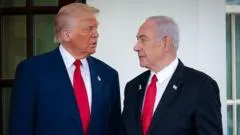
Israeli Prime Minister Benjamin Netanyahu has formally rejected US President Donald Trump's 15-point plan for Gaza, insisting that Israeli forces will not withdraw until Hamas is "genuinely" disarmed. The rebuff, delivered at a cabinet meeting on Sunday, marks a setback for Trump's wider Gaza peace initiative, which the president had hailed as "a monumental step toward lasting peace and security" after Hamas indicated it had accepted a disarmament framework overseen by his newly created Board of Peace. Netanyahu's decision reflects the bind he finds himself in, keen not to alienate Washington while facing pressure from his right-wing coalition, including National Security Minister Itamar Ben Gvir, to take a tougher line ahead of Israeli elections.
Netanyahu said any disarmament could not be "fictitious" and that Israeli troops would continue operating "to thwart threats against our forces and our citizens", while noting he was discussing alternative proposals with US officials, some acceptable and some not. Hamas responded that it "reaffirms its commitment" to the broader agreement and remains ready to implement the 15-point plan, but maintains that surrendering its heavy weapons is contingent on Israel ending "all forms of aggression" and withdrawing from Gaza. Board of Peace diplomat Nickolay Mladenov defended the plan as "the only way forward" and said discussions with Israel were continuing in search of a "positive outcome", though no resolution has since emerged and the impasse over the sequencing of disarmament and withdrawal remains unresolved.
- Netanyahu rejects Trump's Gaza plan, demands Hamas disarm first
- Israeli troops won't withdraw before "genuine" Hamas disarmament
- Hamas insists disarmament depends on Israeli withdrawal, ending strikes
New here? Start with this
Israel and Hamas have been operating under a ceasefire in Gaza since last October, though fighting has continued in various forms. In recent months, US President Donald Trump has put forward a peace plan with 15 points aimed at ending the conflict permanently, which included a proposal for Hamas to give up its weapons.
Benjamin Netanyahu is the Prime Minister of Israel, and Hamas is the Palestinian armed group that has controlled Gaza and fought several wars with Israel, including the one that began after Hamas's attack on Israel in October 2023. Disarmament, the withdrawal of Israeli troops from Gaza, and the shape of any future governance for the territory have been the central sticking points in talks between the two sides, with the United States acting as a mediator.
This matters because the fate of Trump's plan affects millions of people in Gaza living amid continued military activity and humanitarian hardship, as well as the wider question of whether the war can be brought to a lasting close. Israel also faces domestic political pressures, including upcoming elections, which shape how much room its leaders have to compromise.
Both sides, in good faith
The strongest fair case each way — we don't pick a winner.
The case for
Advocates of Netanyahu's stance argue that Israel has legitimate security grounds for scepticism, given Hamas's history of rearming and rebuilding tunnel networks after previous ceasefires. They contend that a withdrawal without verified, enforceable disarmament would leave Israeli communities exposed to renewed attacks, and that "genuine" disarmament, not a symbolic or partial gesture, is a reasonable precondition given the events of 7 October. From this perspective, maintaining military pressure is not an act of bad faith but a necessary safeguard against repeating past mistakes.
The case against
Critics of the rejection argue that Hamas had signalled acceptance of a disarmament framework and that continued Israeli strikes and troop presence undermine the trust needed for any settlement to hold, effectively asking one side to disarm before the conditions for peace exist. They point to the humanitarian toll on Gaza's population and the diplomatic capital the US has invested, arguing that rejecting a negotiated plan risks prolonging suffering and destabilising the wider region for the sake of political caution ahead of domestic elections. In this view, genuine security is more likely to be achieved through a phased, verifiable process than through indefinite military control.
More coverage
- Daily Mail — Trump's peace plan for Gaza is REJECTED by Israel as Netanyahu refuses to withdraw until Hamas is disarmed
- Daily Mail — Benjamin Netanyahu rejects Trump's 15-point plan for Gaza and vows no military withdrawal until Hamas is 'genuinely' disarmed
Read the full article at the source →
Originally published by BBC World as “Israel rejects Trump’s 15-point plan for Gaza, Netanyahu says”.