Politics news and discussion on TalkFuse.
Israel’s main Arab list backs Eisenkot to form government after election
Developing story first seen 3 hours ago
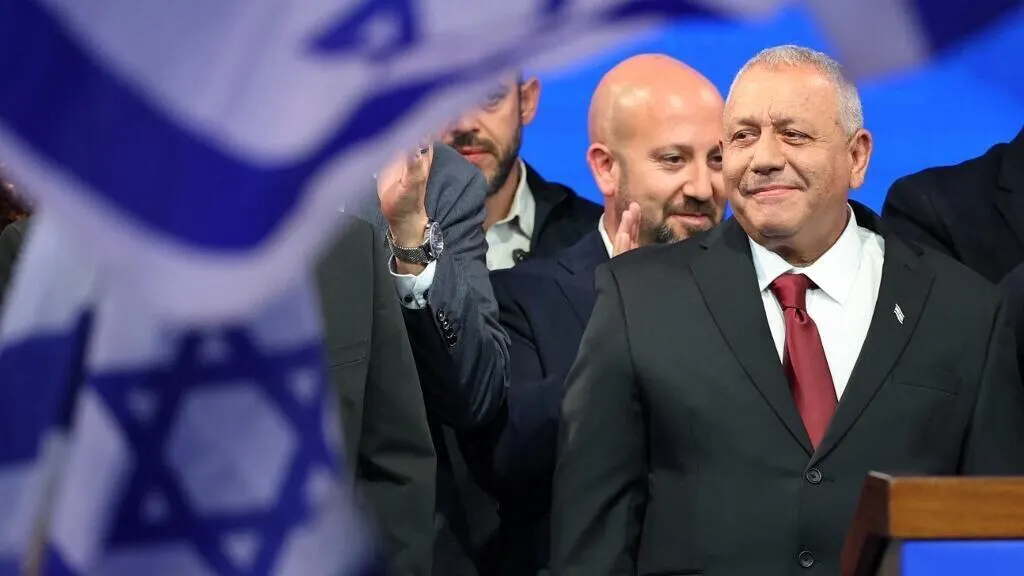
Both of Israel’s Arab-majority lists have now backed Gadi Eisenkot to form a government, strengthening his position as President Isaac Herzog consults parties after an inconclusive election. The move could help Eisenkot challenge Prime Minister Benjamin Netanyahu, whose position has weakened after an ultra-Orthodox ally declined to recommend him.
The Joint List has 11 seats and Raam eight, giving the two lists 19 seats combined; whether Eisenkot’s opposition allies will work with them remains uncertain. Netanyahu’s bloc has 53 seats and Eisenkot’s 48, while Herzog is free to choose whom to give the mandate. The chosen lawmaker will have 28 days to form a government, with a possible 14-day extension. A key dispute is whether religious students should remain exempt from military service.
- Sources
- 2
- Outlets
- 2
- Left · Centre · Right
- 1 · 1 · 0
In short
- Both Arab-majority lists back Eisenkot.
- Their 19 seats could strengthen his bid.
- Netanyahu’s bloc has 53 seats; Eisenkot’s has 48.
How this story developed
- 11 minutes ago Israel’s largest Arab political list has backed Gadi Eisenkot to form the next government, strengthening his position as President Isaac Herzog consults parties after an inconclusive election.
- 16 minutes ago Both of Israel’s Arab-majority lists have now backed Gadi Eisenkot to form a government, strengthening his position as President Isaac Herzog consults parties after an inconclusive election.
Where outlets differ
Left-leaning outlets 1
Only here: joint, back, next
Centre outlets 1
Only here: main, backs, election
Every side used: arab, list, eisenkot, form, israel, government
Headline columns compared word for word; nothing in them is AI-written.
Steelman: both sides, in good faith
The strongest fair case each way — we don't pick a winner.
The case for
Supporters of asking Eisenkot to form a government could argue that the endorsements show he may be able to assemble a parliamentary majority, while Netanyahu’s bloc lacks one and has lost an ally’s recommendation. Giving him the chance would respect the election arithmetic and allow negotiations on issues such as military-service exemptions to proceed through a government accountable to parliament.
The case against
Those who oppose relying on the Arab-majority lists could argue that their support may be politically unacceptable to some of Eisenkot’s prospective partners, making a stable coalition difficult to form. They might also contend that Netanyahu’s larger bloc, despite lacking a majority, deserves serious consideration and that Herzog should weigh the likely durability of any proposed government as well as its initial endorsements.
Coverage · 2 sources
Bias meters
From 2 rated sources.
Elections Government Middle East Politics World