Politics news and discussion on TalkFuse.
JASON CHAFFETZ: Five timeless political lessons that got lost in 2026
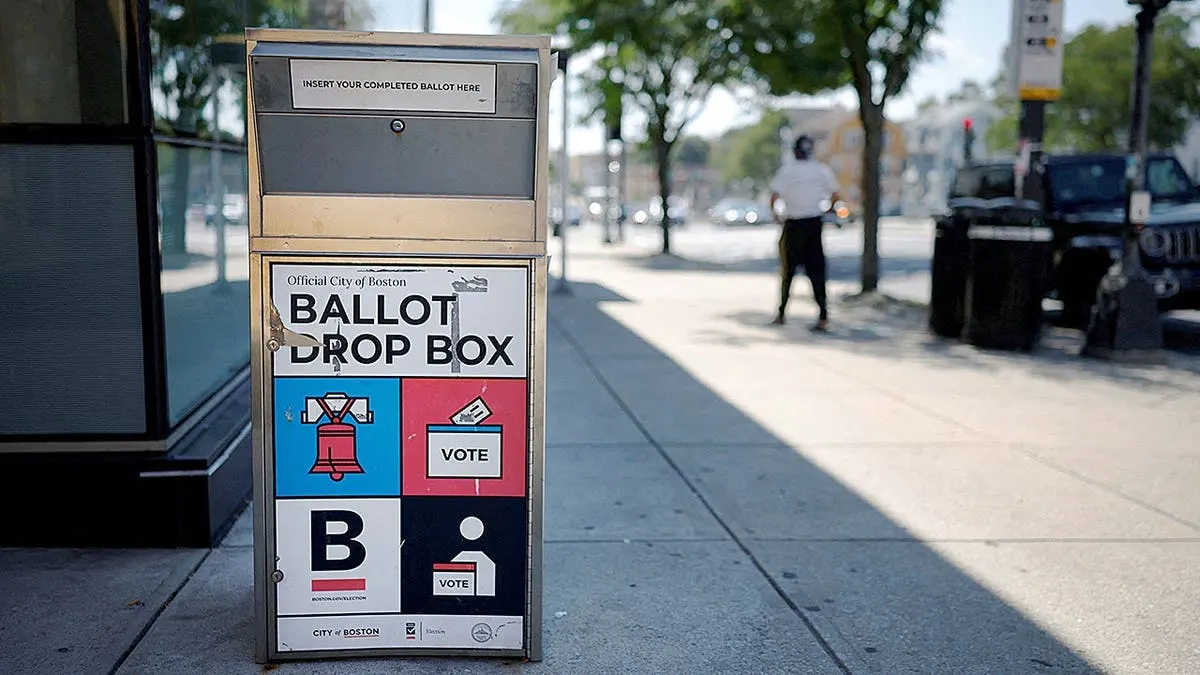
Jason Chaffetz argues that five familiar campaign principles remain important as Republicans consider their prospects for 2028: candidate quality, visible results, persuasive outreach, local choice in primaries and realistic expectations of endorsements. He says voters judge candidates on their ability to connect and offer a future, and judge governing majorities by whether they address everyday concerns.
Chaffetz says repeated attack ads, texts and fundraising messages can irritate voters rather than persuade them. He points to South Carolina, where Darline Graham won the Republican nomination after being appointed to her late brother’s seat but was rejected by voters in the general election, as a warning about short-circuiting local candidate selection. He argues endorsements can attract attention and money but rarely determine federal races.
In short
- Chaffetz says proven campaign basics still shape election outcomes.
- Voters want tangible results and candidates with a clear vision.
- He warns that noisy outreach and imposed choices can backfire.
Steelman: both sides, in good faith
The strongest fair case each way — we don't pick a winner.
The case for
Chaffetz’s lessons make a case for campaigns that earn support through credible candidates, visible results and persuasive communication. Repeated attack ads and fundraising appeals may alienate voters, while allowing local voters to choose nominees can make representation more responsive; endorsements may help, but should not be mistaken for a substitute for voter judgement.
The case against
Campaigns may reasonably argue that familiar tactics still have a place: frequent messages can keep candidates visible, negative advertising can draw attention to consequential differences, and national endorsements can signal credibility or mobilise resources. Party leaders may also see a role for influencing nominations when they believe a candidate is better placed to win or govern, even as local voters retain the final say.
Explained simply
Jason Chaffetz is a former Republican member of the US House of Representatives, the lower chamber of Congress. His argument draws on familiar parts of US election campaigns, including how parties choose candidates, contact voters and use endorsements.
Republicans are already considering who might represent them in the 2028 elections. In party primaries, voters choose which candidate will stand in the general election; endorsements from prominent figures can bring attention and money, but voters make the final choice. The wider question is how candidates and governing parties respond to voters’ everyday concerns and earn their support.
Elections Government Politics World