Jemele Hill claims to know what DiJonai Carrington meant with ‘White privilege’ post, so what was it?
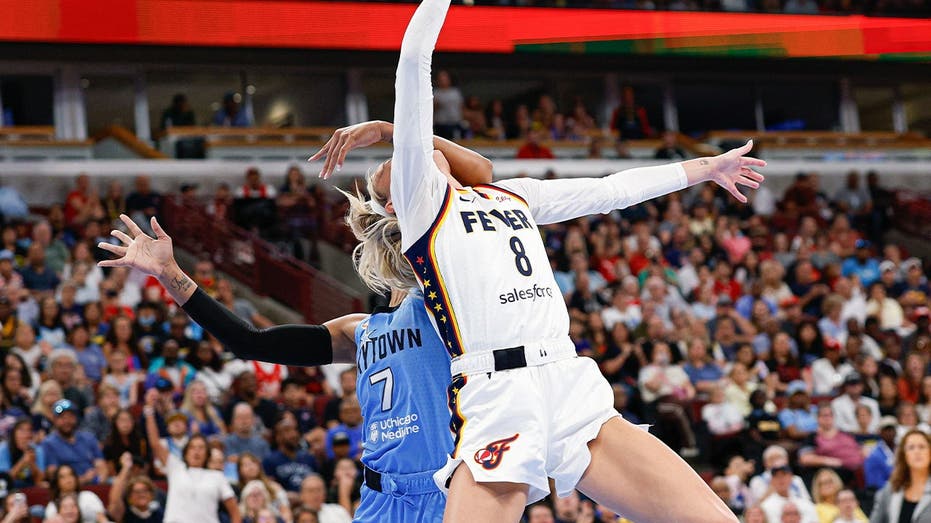
OutKick reports on a dispute involving WNBA player DiJonai Carrington, who drew criticism after an aggressive foul on Indiana Fever guard Sophie Cunningham left Cunningham with a bloody mouth. The article focuses on Carrington’s subsequent reference to “white privilege” and commentator Jemele Hill’s claim that she understood what Carrington meant, presenting the incident as part of a wider debate over race, media attention and conduct in the league.
The foul on Cunningham was upgraded, according to the article, intensifying scrutiny of Carrington’s actions and online comments. It also notes that the WNBA has recently received significant attention for controversies as well as basketball, with the disagreement involving Carrington, Cunningham and Hill becoming a prominent example.
- Carrington’s foul on Cunningham sparked criticism and wider debate.
- Cunningham was left with a bloody mouth after the incident.
- Hill said she understood Carrington’s “white privilege” comment.
New here? Start with this
The WNBA is the leading women’s professional basketball league in the United States. DiJonai Carrington plays for the Connecticut Sun, while Sophie Cunningham is a guard for the Indiana Fever; both teams play in the league’s regular season and compete for the playoffs.
The dispute followed a hard foul on Cunningham that left her injured and was later upgraded by officials. Attention then turned to Carrington’s social-media comments, including a reference to “white privilege”, a term usually used to describe social advantages that white people may receive because of race.
Jemele Hill is an American journalist and commentator who often writes and speaks about sport, race and media. Her remarks placed the incident in a broader discussion about how players are judged, which stories receive the most attention, and how racial issues are discussed around women’s basketball.
Both sides, in good faith
The strongest fair case each way — we don't pick a winner.
The case for
Supporters of Carrington and Hill can argue that the phrase “white privilege” was intended to describe how race can shape public sympathy, media framing and the scrutiny applied to athletes, rather than to excuse a physical foul. They may contend that highly visible disputes in the WNBA are often interpreted through wider social narratives, and that acknowledging unequal assumptions or attention is necessary if the league is to discuss fairness honestly. From this view, a foul can merit discipline while the surrounding reaction can still raise legitimate questions about race and representation.
The case against
Critics can argue that invoking white privilege immediately after an upgraded foul risks appearing to deflect from an individual player’s responsibility for conduct on court. They may say that a bloody-mouth incident understandably attracts strong attention regardless of the players’ race, and that disciplinary decisions and sportsmanship should be assessed chiefly on the available evidence. From this perspective, broad racial explanations can inflame an already tense controversy and obscure the more straightforward issue of whether the play was acceptable.