Killing PlayStation discs could make PS Store games cheaper, according to a former Square Enix exec
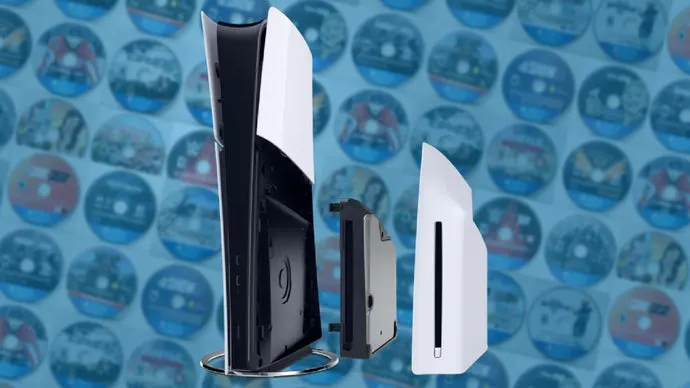
A former Square Enix business-development director has argued that Sony’s planned move to digital-only PlayStation releases could lead to lower PS Store prices. Jacob Navok says publishers, rather than digital storefronts, chiefly determine game prices, so competition between games on the same store may encourage more discounts and flexible pricing; however, this would not resolve concerns about ownership and the loss of physical copies.
Sony announced that all PlayStation releases from January 2028, including third-party games, will be digital-only, with even retail copies using download codes. Navok points to Final Fantasy 16’s gradual Steam price reductions as an example of publisher-led competition, predicting more sales and dynamic pricing on PlayStation; Sony has also reportedly added notices to new disc-drive PS5 consoles about the end of physical-media support.
- Digital-only PlayStation could increase publisher-led discounts, an ex-Square Enix executive argues.
- Sony will end physical PlayStation releases from January 2028.
- Lower prices would not address concerns over digital ownership.
New here? Start with this
PlayStation is Sony’s video-game system, and games have traditionally been sold either as discs or as digital downloads through the PlayStation Store, often called the PS Store. Publishers such as Square Enix make and sell games for the system, while Sony runs the console and its online shop.
Jacob Navok, a former business-development director at Square Enix, says publishers largely set game prices, so competition between titles could bring more discounts on a digital-only PlayStation. His example is Final Fantasy 16, whose price has fallen over time on Steam, a separate digital game store for computers.
Digital games can be convenient, but buyers may have fewer ways to lend, resell or keep a copy independently of an online account. Those concerns matter to players who value physical discs, even if digital sales become cheaper.
Both sides, in good faith
The strongest fair case each way — we don't pick a winner.
The case for
The argument supporting this position suggests that publishers independently control pricing strategies, and competition between games on digital storefronts naturally encourages dynamic pricing, promotional discounts and aggressive launch pricing to capture market share—precisely as demonstrated by Final Fantasy 16's gradual Steam price reductions. With digital-only releases, the elimination of physical retail margins and distribution costs could theoretically allow publishers to compete more aggressively on price without sacrificing profitability, particularly once development costs are already committed.
The case against
Critics argue that historical evidence contradicts this optimism: digital games have rarely proved cheaper than physical counterparts, and removing physical media actually weakens pricing pressure by eliminating genuine consumer alternatives. Without the option to purchase or resell physical copies, consumers lose a meaningful choice that historically kept prices competitive. Publishers face reduced incentive to discount when customers cannot simply buy a cheaper physical copy, and the greater profitability of digital sales may actually encourage price maintenance rather than reduction, particularly from publishers with established market position.