‘Klara And The Sun’ Review: Taika Waititi’s Latest Is A Curiously Flat Dystopian Comedy-Drama – London Film Festival
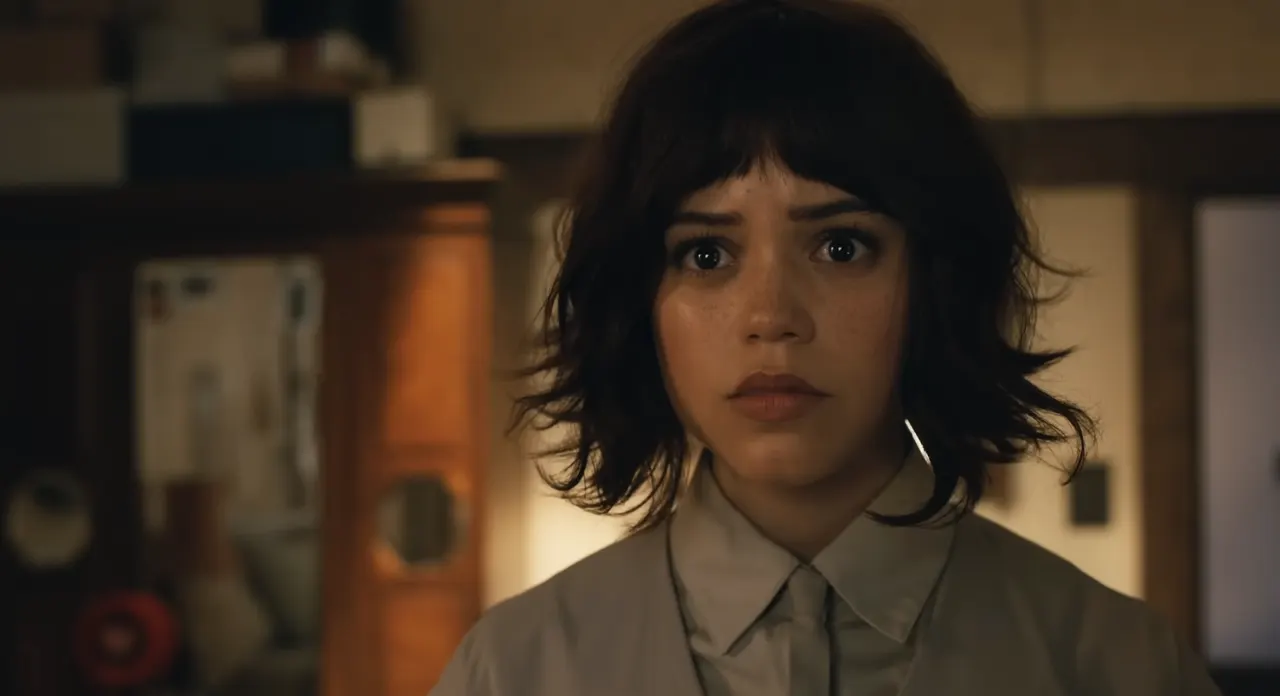
Klara and the Sun, Taika Waititi’s adaptation of Kazuo Ishiguro’s novel, follows an AI companion robot bought to support a seriously ill teenager. The review finds the film’s mix of comedy, speculative fiction and grief largely unsuccessful, arguing that its tone becomes awkward and its exploration of artificial life lacks subtlety.
Jenna Ortega plays Klara, a B1 robot chosen by Josie, whose mother Chrissie, played by Amy Adams, has reasons beyond companionship for buying her. The story is set in a future where newer robot models are replacing older ones and the internet has disappeared after a world war; Steve Buscemi plays a mysterious benefactor, while Natasha Lyonne is the manager of the robot shop.
- Jenna Ortega plays a robot companion to a seriously ill teenager.
- The review says the film’s comedy and darker drama do not cohere.
- Its future features rapidly evolving AI and a world without the internet.
New here? Start with this
Klara is an artificial companion designed to keep someone company and offer support. In this story, teenager Josie chooses a B1 model, played by Jenna Ortega, while her mother Chrissie, played by Amy Adams, has additional reasons for buying one.
The setting is a future shaped by war and rapid changes in technology: the internet is gone, and newer robots are replacing older models. The story also features a robot shop manager, played by Natasha Lyonne, and a mysterious benefactor, played by Steve Buscemi.
The film adapts a novel by Kazuo Ishiguro, whose story uses Klara’s place in a family to explore artificial life, illness and grief. Its mixture of comedy and serious themes is central to the review’s assessment of how well the film works.