Left-wing councils warn they’ll defy new rules on single-sex spaces as they claim guidance is ‘harmful to the rights of trans people’
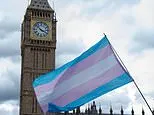
Several left-wing-run councils in England and Wales have said they will not comply with new government guidance requiring single-sex spaces such as toilets and changing rooms to be based on biological sex, arguing the rules are discriminatory and damaging to transgender people's rights. The dispute follows the Supreme Court ruling and subsequent statutory guidance clarifying that "sex" in equalities law refers to biological sex, prompting some local authorities to push back publicly against implementing the change in their own facilities and services.
The councils involved have framed their refusal as a matter of protecting trans residents from what they describe as harmful and exclusionary policy, setting up a potential clash with central government over compliance with the guidance. The move raises questions about the legal and practical consequences for councils that decline to follow the rules, and reflects wider ongoing tension between local authorities, campaigners and ministers over how the Supreme Court's ruling on sex-based rights should be applied in practice.
- Left-wing councils say they'll defy new single-sex space guidance
- They argue the rules harm transgender people's rights
- Move follows Supreme Court ruling clarifying "sex" means biological sex
New here? Start with this
Left-wing councils have said they will not comply with new government guidance on single-sex spaces, setting up a standoff with ministers over how facilities such as toilets and changing rooms should be organised. The guidance follows a Supreme Court ruling that clarified how "sex" is defined for the purposes of equalities law, which government bodies and public services are now expected to apply.
The two sides disagree fundamentally on what the ruling means in practice. Ministers and the guidance's supporters say it provides clarity on how single-sex spaces should work, while the councils refusing to implement it argue that doing so would harm transgender people who use council services and facilities.
This dispute matters because it tests how far local authorities can diverge from national guidance issued after a Supreme Court judgment, and could have legal and funding consequences for the councils involved. It also reflects a broader, ongoing debate in England and Wales about how sex-based rights and protections for transgender people should be balanced within public services.
Both sides, in good faith
The strongest fair case each way — we don't pick a winner.
The case for
Councils resisting the guidance argue that trans people are a small and often vulnerable minority who already face high rates of harassment, and that forcing them to use facilities matching their birth sex, rather than their lived gender, exposes them to real risk of abuse or exclusion from public life. They contend that local authorities have a duty of care to all residents and should be able to exercise judgement, informed by equalities law and local circumstances, rather than applying a blanket national rule that they believe was drafted without adequate consultation with trans communities. For these councils, dignity and safety for a marginalised group are civic values worth defending even at the cost of friction with central government.
The case against
Supporters of the guidance argue that single-sex spaces exist precisely to protect the privacy, dignity and safety of women and girls, particularly in settings like changing rooms and refuges, and that the Supreme Court's ruling clarified that 'sex' in equalities law means biological sex for good legal reason. They see consistent, nationwide application of the rules as essential to fairness and to protecting service providers from confusion or legal liability, and view elected councils publicly announcing non-compliance with a lawful, court-clarified duty as undermining the rule of law and democratic accountability, regardless of the intentions behind it. For them, upholding clear, uniformly applied legal boundaries is itself a matter of fairness and public trust.