Lessons from No 10: When the world’s most powerful CEOs enter Downing Street | Jimmy McLoughlin
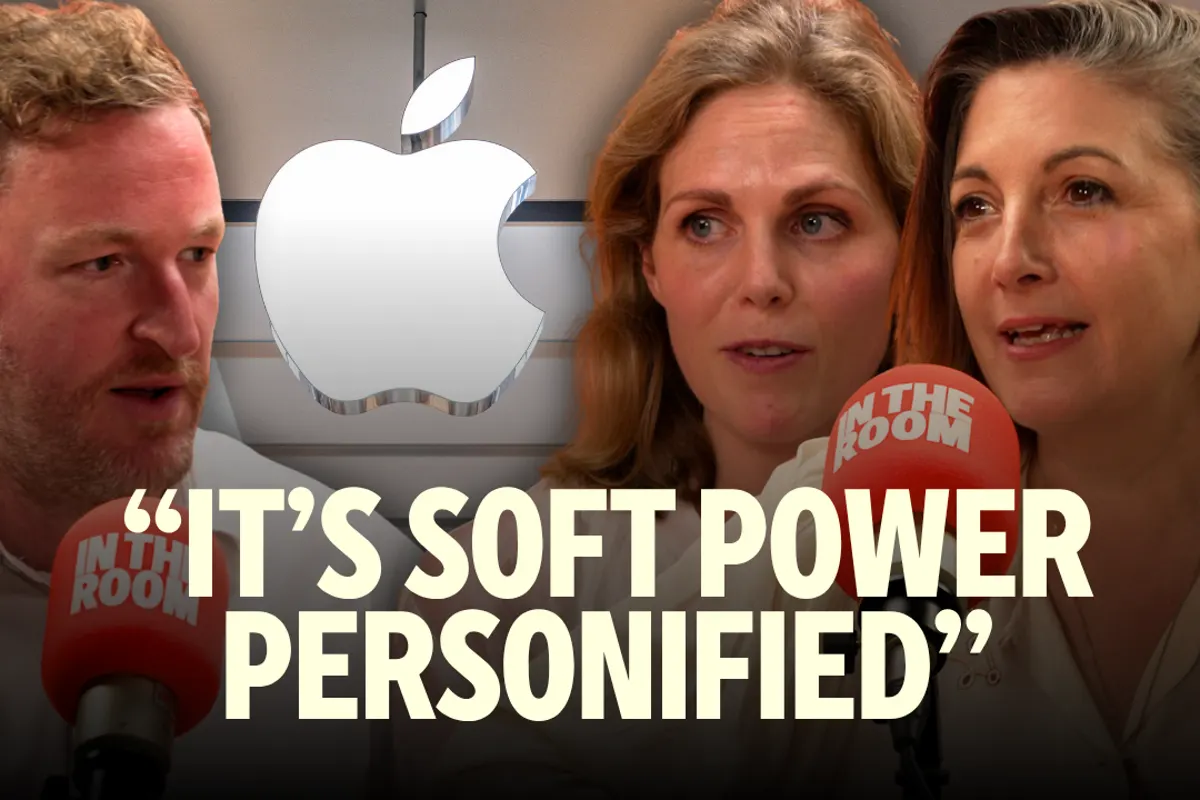
In the first episode of the Independent's "Lessons from No 10" series, former Downing Street business director Jimmy McLoughlin discusses what politicians really need to understand about business leaders. Speaking under Theresa May's premiership, McLoughlin's role involved fostering productive relationships between the prime minister and some of the world's most influential chief executives, offering insight into how business and government interact at the highest level.
McLoughlin recounts a visit from Apple's Tim Cook, who paused to admire David Bailey's portrait of Queen Elizabeth II at No 10, revealing an unexpected shared interest in Netflix's drama The Crown during an impromptu tour. He argues that ministers do not need direct experience running companies, but must understand those who do, and joins Helen MacNamara and Cleo Watson in the episode to explore this dynamic. McLoughlin now hosts the podcast Jimmy's Jobs of the Future.
- Ex-No 10 business director recalls hosting global CEOs like Tim Cook
- Discusses what ministers must understand about business leaders
- New "Lessons from No 10" podcast episode features MacNamara and Watson
Both sides, in good faith
The strongest fair case each way — we don't pick a winner.
The case for
Understanding business leaders and their perspectives enhances policy-making, as chief executives command significant resources and expertise that can improve government effectiveness. When politicians develop genuine relationships with business figures, it creates channels for practical knowledge exchange and helps bridge the gap between sectors. This pragmatic engagement serves the economy and allows both worlds to appreciate each other's constraints and opportunities, fostering more realistic policy outcomes.
The case against
Close relationships between business leaders and government risk regulatory capture and unequal influence on policy-making, where those with special access to ministers can shape decisions in their favour. When policy decisions are influenced by informal relationships with wealthy CEOs rather than through democratic processes, it undermines accountability to the broader public and disadvantages citizens and organisations without such privileged channels. The revolving door between boardrooms and Downing Street raises legitimate concerns about whose interests actually drive government action.