‘Like being in prison’: the ship crews stuck in Gulf since February
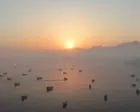
Up to 20,000 seafarers, mostly from India and the Philippines, remain trapped in the Gulf as the US-led war on Iran drags into its sixth month, with Iran effectively blockading the strait of Hormuz. The danger of their situation was underscored this week when the Minoan Pioneer, a Greek-owned bulk carrier, was hit by an unidentified projectile near Oman, sparking a fire and leaving its third engineer missing days later, while two tankers reported near-misses in the preceding 24 hours.
Some 6,000 seafarers on 500 vessels remain stranded, according to the UN's International Maritime Organization, after a brief window under a ceasefire memorandum in June allowed several dozen tankers to escape before the deal collapsed. Since hostilities began, 17 seafarers have died, mostly in Iranian strikes, and union leaders describe crews suffering severe psychological strain, with one comparing the ordeal to being in prison amid repeated false hopes of release.
- Up to 20,000 seafarers trapped in Gulf since February's escalation.
- A bulk carrier was hit by a projectile; an engineer is missing.
- 17 seafarers have died; 6,000 remain stuck on 500 vessels.
New here? Start with this
Seafarers working on cargo ships and oil tankers, mostly from India and the Philippines, have found themselves trapped in the Gulf since a US-led war against Iran began in February. Iran has effectively blocked the strait of Hormuz, a narrow shipping channel that much of the world's oil passes through, leaving thousands of crew members unable to leave the area safely.
The stand-off has already turned deadly, with attacks on vessels killing seafarers and leaving others missing. A short ceasefire arrangement in June let some ships escape, but it broke down and thousands remain stuck, facing ongoing danger from strikes and near-misses at sea alongside the mental toll of prolonged confinement.
The situation matters because it involves the safety of ordinary workers caught up in a wider geopolitical conflict, and because the strait of Hormuz is one of the world's most important routes for oil shipments, meaning disruption there has knock-on effects well beyond the Gulf itself.