Politics news and discussion on TalkFuse.
Mahmood to tackle ‘perception of two-tier policing’ with new guidance
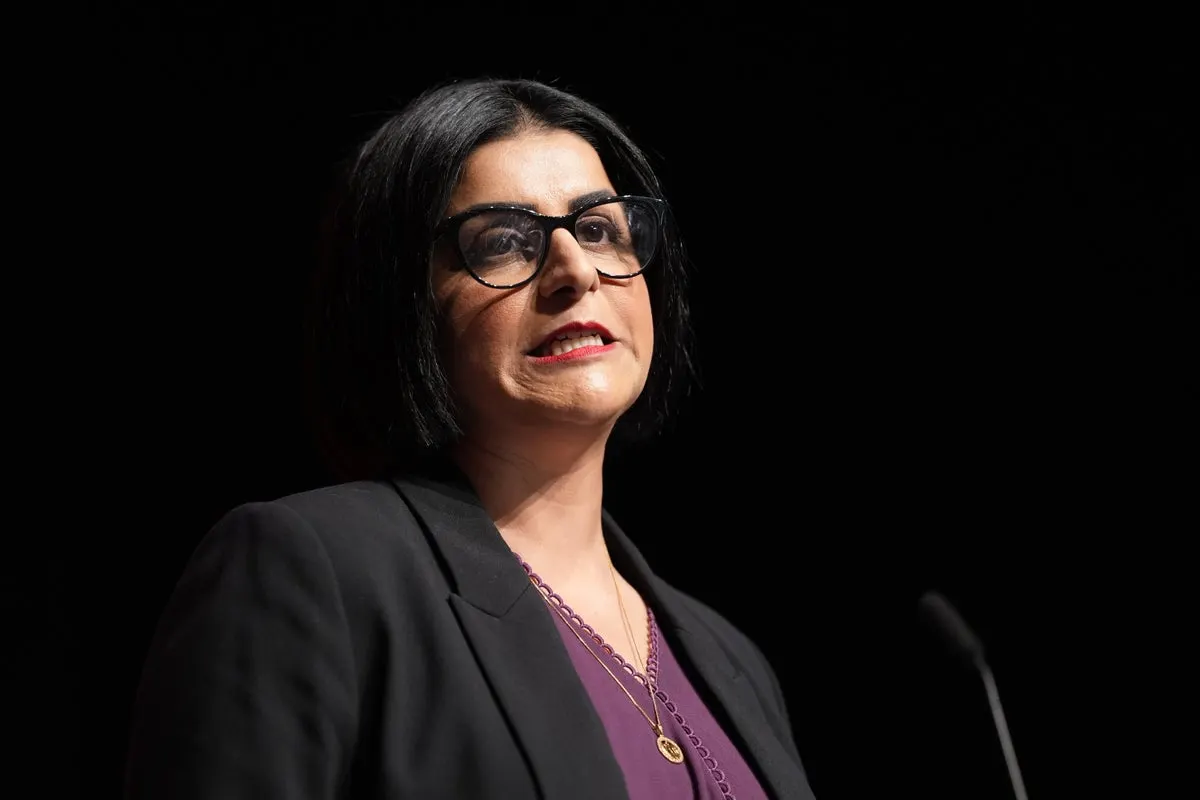
Home Secretary Shabana Mahmood is due to announce plans for new police guidance aimed at addressing public concerns about “two-tier policing”. The proposed impartiality standard is intended to reinforce equal treatment and help build confidence in how officers handle cases, while avoiding practices that could be seen as political or discriminatory.
The College of Policing will develop the standard and consult on it next year. It is expected to cover impartiality principles, the use of symbols on badges and lanyards, and conduct at community events. Mahmood will also highlight that a third of Britons surveyed believe police treat ethnic minorities more favourably than white people, and say the share of black officers has barely changed in 33 years.
In short
- New guidance will set out impartiality principles for police.
- Consultation on the standard is due next year.
- Mahmood will raise concerns about public confidence and representation.
Steelman: both sides, in good faith
The strongest fair case each way — we don't pick a winner.
The case for
Clear guidance on impartiality could help people trust that police apply the law consistently, whatever a person’s background or political views. Setting expectations for symbols and conduct at community events may also protect officers from appearing to endorse a cause, while consultation can help ensure the standard is practical and fair.
The case against
A new standard could imply that perceived bias is mainly a matter of officers’ presentation, when confidence may depend more on how forces investigate and treat people in practice. Rules on symbols or community engagement could also constrain legitimate ways officers build relationships with diverse communities, and risk weakening efforts to recruit and retain officers from under-represented groups.
Explained simply
The Home Secretary is the cabinet minister responsible for policing in England and Wales. Police forces operate independently, while the College of Policing sets professional guidance and standards for officers.
“Two-tier policing” is a claim that police treat different groups or causes differently. The proposed guidance is intended to clarify expectations around impartiality, including officers’ conduct at community events and the use of symbols on uniforms or equipment.
Public confidence matters because people need to trust that police apply the law fairly. The debate also touches on representation in the police and on how officers build relationships with communities.