Michael Douglas Predicts Trump Support Will Be Wiped Out In Midterms: “I’m Hoping For A Massacre”
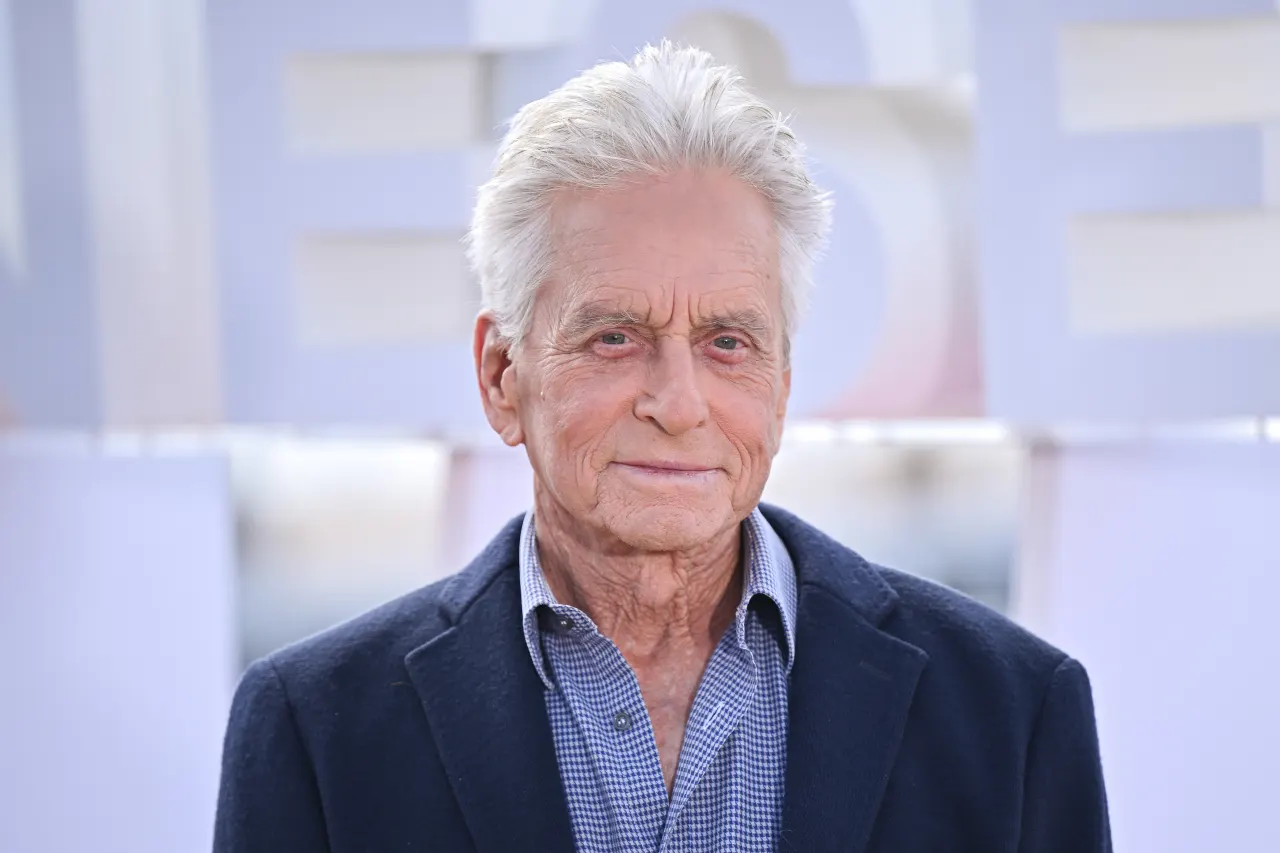
Actor Michael Douglas has predicted strong Democratic gains in the US midterm elections, saying he hopes for an electoral “massacre” for Donald Trump’s supporters. His comments matter because a change in control of Congress could affect Democrats’ ability to pursue investigations and set legislative priorities.
In a BBC interview in the UK promoting his autobiography, Douglas said Democrats could make gains in both the House and Senate, including in parts of the Midwest. He said they would likely focus first on affordability, then examine allegations of corruption and cronyism involving people around Trump, potentially using congressional subpoenas. Douglas, a longtime Democratic donor, also said he had not felt personally attacked over the party’s association with Hollywood figures.
In short
- Douglas expects major Democratic gains in the midterms.
- He says Democrats may prioritise affordability before investigations.
- A changed Congress could issue subpoenas for documents and testimony.
Steelman: both sides, in good faith
The strongest fair case each way — we don't pick a winner.
The case for
Douglas’s forecast reflects the view that voters may use the midterms to check the president’s party, especially if they are dissatisfied with affordability or want Congress to scrutinise allegations of corruption and cronyism. Democratic gains could strengthen oversight and give greater weight to those priorities, while an emphatic result might signal broad public disapproval of the administration.
The case against
A thoughtful counterview is that midterm outcomes are uncertain and can turn on local candidates, turnout and issues beyond the national mood, so predicting a Democratic sweep may be premature. A change in congressional control could also intensify partisan investigations and gridlock, while critics may argue that affordability and other priorities are better addressed through legislation than through politically charged inquiries.
Art Culture Elections Politics