Millard Fillmore: Statesman, Betrayer, or Populist?
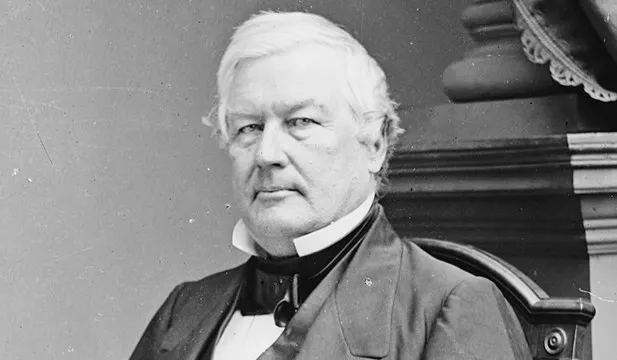
The article’s contents were not available because the provided page displayed a JavaScript-and-cookies verification screen instead of the text. As a result, its argument about Millard Fillmore cannot be summarised reliably.
The title suggests the piece considers competing interpretations of Fillmore’s political legacy, but no supporting details, evidence or conclusions were accessible. Any fuller summary would risk misrepresenting the article.
- Article text was unavailable behind a verification screen.
- Its claims about Fillmore cannot be verified.
- The title indicates a debate over his legacy.
New here? Start with this
Millard Fillmore was the 13th president of the United States, serving from 1850 to 1853. He became president after Zachary Taylor died in office and was a member of the Whig Party, which later broke apart.
Fillmore took office as arguments over slavery and its expansion threatened to divide the country. He supported the Compromise of 1850, a set of laws that admitted California as a free state while strengthening the law requiring the return of people who had escaped slavery. These choices remain central to debates about his record and the political tensions before the American Civil War.