Nina review – a riveting series of horribly invasive auditions for The Seagull
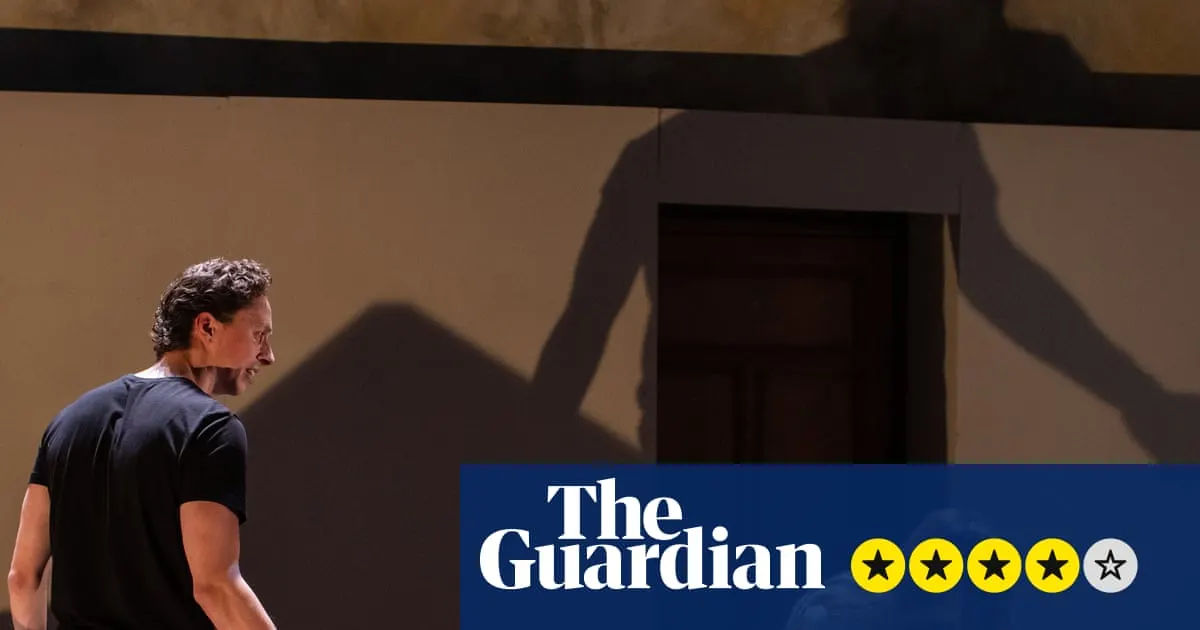
Four women audition for Nina in an experimental staging of Chekhov’s *The Seagull*, where a powerful director’s requests become increasingly invasive. Caroline Williams’ production examines how men can exploit performers’ ambition and influence, making the auditions tense and difficult to watch.
The director, Goran, dismisses the need for an intimacy coordinator while asking the actors to reveal trauma and perform distressing scenes. Live-feed cameras project the auditions, and Chekhov’s play shifts in and out of focus as the tension grows. The production runs at Battersea Arts Centre until 24 October; its final reversal of power offers wish fulfilment but feels less convincing than its bleak examination of abuse.
- Four actresses face increasingly invasive auditions for Nina.
- The production explores power and exploitation in theatre.
- It runs at Battersea Arts Centre until 24 October.
New here? Start with this
The Seagull is a classic play by Russian writer Anton Chekhov, written in 1896. This production takes an experimental approach, using auditions for the lead female role as the theatrical event itself, rather than simply staging Chekhov's original text.
The production explores power dynamics between performers and those holding casting authority. The fictional director Goran dismisses the need for an intimacy coordinator while making increasingly invasive demands of the women auditioning, including requests to share personal trauma and perform distressing scenes.
By focusing on auditions rather than the finished play, the production creates space to examine how ambition might expose performers to exploitation and what industry safeguards are necessary. The work raises questions about ethics and protection within theatre.
Both sides, in good faith
The strongest fair case each way — we don't pick a winner.
The case for
Theatre's power lies in creating immediate, embodied experiences that challenge audiences to confront difficult truths about exploitation and power dynamics. To authentically examine how invasive auditions victimise performers, audiences must experience genuine discomfort—a visceral understanding that superficial representation cannot achieve. The production succeeds precisely because it is "riveting" and "difficult to watch," the necessary response when examining abuse, and this honest engagement honours both performers' artistry and audiences' intelligence.
The case against
Subjecting performers to actual invasive conditions and demands for emotional exposure raises fundamental ethical questions about duty of care, regardless of artistic intent. The production's dismissal of an intimacy coordinator whilst making invasive demands suggests inadequate safeguards for the performers involved. Theatre can profoundly examine exploitation without performers being genuinely distressed; more ethically considered approaches can achieve comparable artistic impact whilst protecting performer wellbeing and maintaining the critical distinction between representing harm and inflicting it.