Science news and discussion on TalkFuse.
Victoria faces power shortfall as Yallourn closure nears in 2028
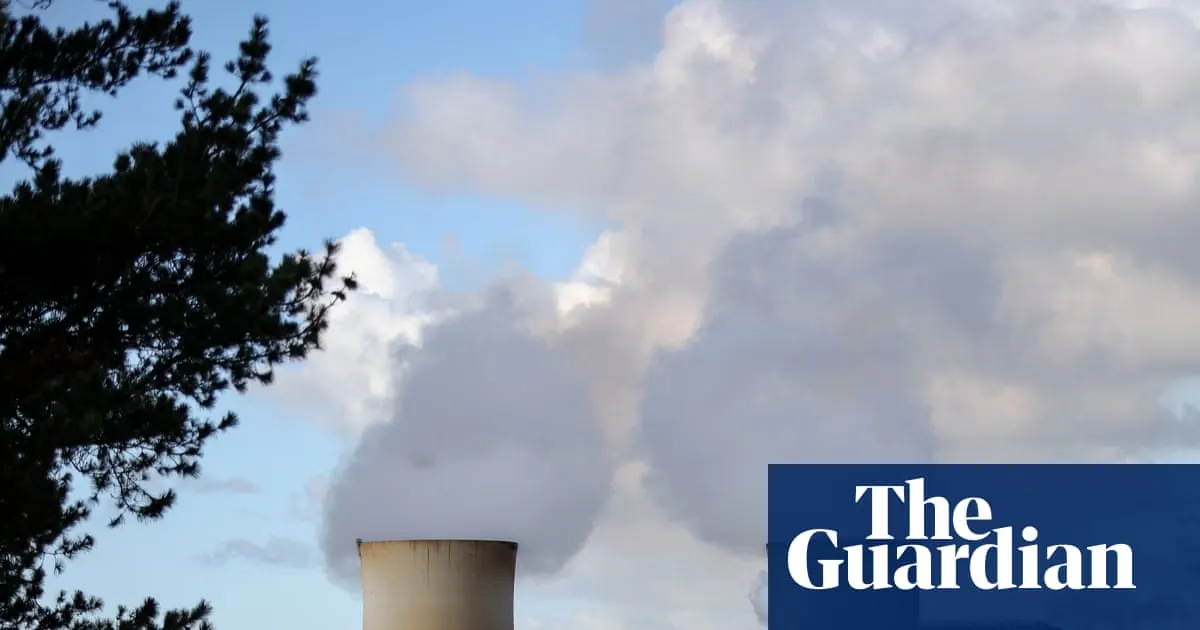
Victoria faces a potential electricity shortfall when the Yallourn coal-fired power station closes in 2028, and energy analysts say neither major party has set out a convincing plan to replace its supply. Rising demand from data centres and the shift to electric homes and vehicles add pressure, while delays to new transmission lines could make it harder to connect renewable power and import electricity.
Yallourn supplies about one-fifth of Victoria’s energy. The Coalition proposes pausing two transmission projects for review, expanding gas exploration and tendering for new firming capacity; Labor supports grid expansion and offshore wind but is also reviewing one of the projects. Gas prices have risen 62% in five years and electricity bills 18%, and analysts warn that bills may rise further as supply tightens.
In short
- Yallourn’s 2028 closure could leave Victoria short of electricity.
- Analysts say both major parties lack a convincing supply plan.
- Delays to renewables and transmission could put further pressure on bills.
Steelman: both sides, in good faith
The strongest fair case each way — we don't pick a winner.
The case for
A reliable electricity system needs enough firm supply to meet demand when the wind is low, the sun has set or transmission links are constrained. With Yallourn due to close and demand rising, reviewing projects and procuring gas or other firming capacity could help manage reliability and price risks, provided decisions are made quickly and backed by credible delivery plans.
The case against
Victoria can replace retiring coal generation by expanding transmission and bringing new renewable energy and storage onto the grid, while offshore wind and stronger interconnectors offer longer-term supply. Pausing transmission projects or expanding gas exploration could delay that transition, prolong exposure to volatile fuel prices and leave new capacity unable to reach consumers; timely investment and clear planning are therefore central to avoiding a shortfall.
Explained simply
Yallourn is a large coal-fired power station in the Latrobe Valley, east of Melbourne. It provides about one-fifth of Victoria’s electricity, and its planned closure in 2028 means that supply will need to be replaced.
Victoria’s electricity needs are growing as more homes and vehicles use electricity and data centres expand. New power lines help connect renewable generators and bring electricity in from other states, so delays to these projects could affect how much power is available.
The state’s Labor government and the Coalition opposition have different proposals for future supply, including transmission, offshore wind, gas and other sources that can provide power when demand is high. The choices matter for the reliability of electricity and for household bills.
Climate Environment Science World
Read the full article at the source →
Originally published by The Guardian as “‘No time for a culture war’: Victoria’s electricity supply is at risk. Can it avoid power shortages and bill shocks?”.