One of the most popular Total War: Warhammer 3 mods was ‘deliberately corrupted’ by its creator to sabotage AI-made copies
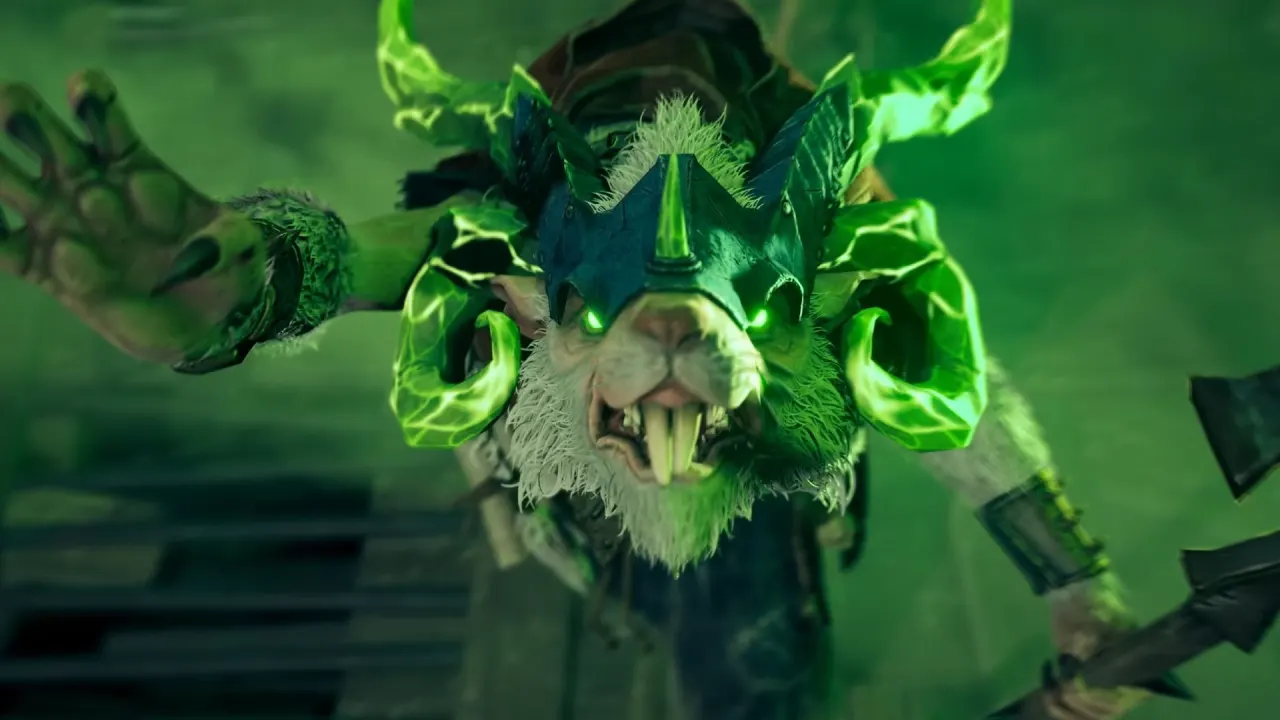
A creator deliberately corrupted a popular Total War: Warhammer 3 mod after finding AI-generated copies online. The action was intended to make those copies unusable and highlights growing tensions over AI reproducing community-made game content.
The mod, Unnatural Selection 2, lets players adjust which factions the game’s AI favours. Its creator said the corrupted update targeted copies they believed had been made using AI; players using the legitimate version were advised to obtain it from the original source. The article frames the dispute around authorship and the difficulty of distinguishing authentic mods from AI-made imitations.
- A popular Warhammer 3 mod was deliberately corrupted.
- Its creator aimed to disrupt AI-made copies.
- The dispute raises questions about mod authorship.
New here? Start with this
Total War: Warhammer 3 is a strategy game that players can modify through community-created add-ons known as mods. These mods, made by fans, can add new features or change how the game works. Unnatural Selection 2 is one such popular mod that allows players to adjust which factions the game's artificial intelligence favours.
The mod's creator discovered copies of their work being distributed online that appeared to have been created by artificial intelligence. In response, they deliberately corrupted a new version of the mod, intending to disrupt these AI-generated copies whilst ensuring players using the legitimate version received the uncorrupted file.
The incident brings attention to a broader issue affecting gaming communities. Artificial intelligence tools are being used to reproduce mods created by individual players, raising questions about how creators' work can be protected and distinguished from AI-generated versions.
Both sides, in good faith
The strongest fair case each way — we don't pick a winner.
The case for
The creator owns their intellectual property and has legitimate grounds to resist its unauthorized reproduction by AI systems, which exploit creative work without consent or compensation. Deliberately corrupting only the AI-generated copies whilst preserving the legitimate version represents a targeted response to genuine theft rather than sabotage of the broader community. Creators face a difficult choice when their work is reproduced at scale by generative AI, and taking direct action to render stolen versions unusable is a defensible exercise of ownership rights.
The case against
Deliberately poisoning a file, even with good intentions, risks harming legitimate community members who might inadvertently obtain the corrupted version or lose trust in the creator's updates. There are more constructive approaches available—such as legal action, clear licensing terms, technical protection measures, or working with platforms to remove infringing copies—that address AI reproduction without resorting to sabotage. The creator's frustration is understandable, but deliberately corrupting content sets a problematic precedent and potentially damages the community ecosystem that sustained the mod's popularity.