Entertainment news and discussion on TalkFuse.
Oscar Predictions: Documentary Feature — Will the Branch Embrace ‘You Can See Everything’ or Snub the Frontrunner (Again)?
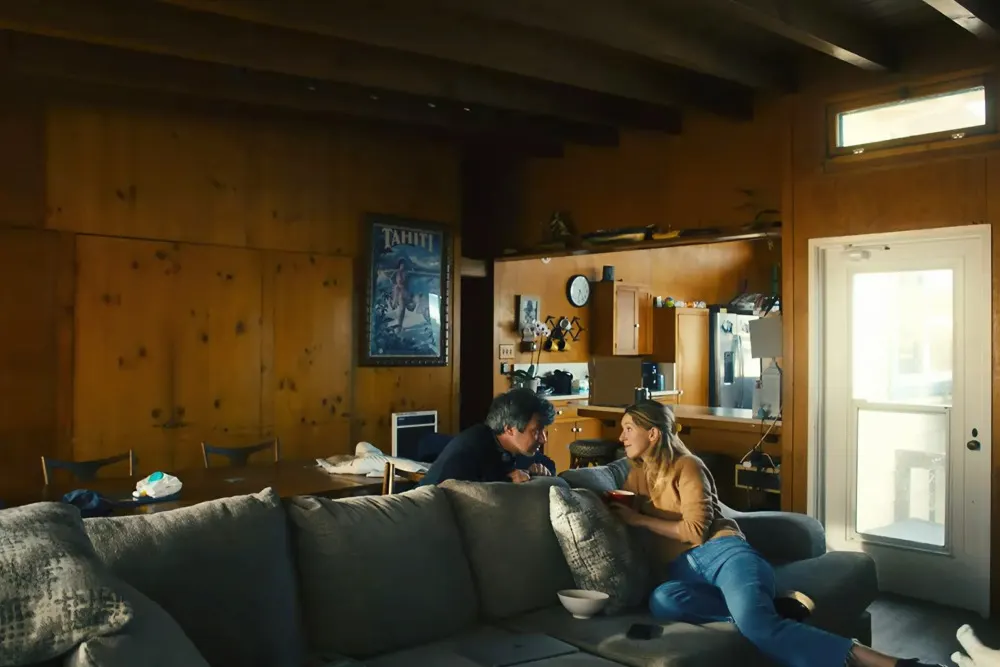
Nathan Fielder and Lance Oppenheim’s documentary “You Can See Everything”, about Elizabeth Holmes in the 34 days before she reported to prison and the period afterwards, has become a major cultural and box-office hit. But Variety’s Oscar predictions suggest it may still miss the documentary shortlist, highlighting the gap between popular acclaim and the Academy branch’s preferences.
The film has a 99 Metacritic score, 98% on Rotten Tomatoes, and a 9.4 IMDb rating, which would top “The Shawshank Redemption” if it holds. Its focus on Fielder’s presence on camera and uncertainty over Holmes’s authenticity may be a difficult fit for voters who favour observational documentaries. The shortlist is due on 15 December, with Oscar nominations announced on 21 January 2027.
In short
- “You Can See Everything” is a major hit.
- Its popularity may not secure an Oscar shortlist place.
- The documentary shortlist is due on 15 December.
Steelman: both sides, in good faith
The strongest fair case each way — we don't pick a winner.
The case for
The film’s unusually strong reviews and broad audience appeal make a compelling case that it deserves serious consideration: a documentary can reach people widely while offering an engaging account of a consequential public figure. Fielder’s on-camera presence and the uncertainty around Holmes’s authenticity could also be seen as deliberate ways to examine performance, credibility and the making of a public persona.
The case against
Oscar voters may reasonably favour films whose methods offer sustained, less mediated observation, and may judge the filmmaker’s on-camera role as drawing attention away from Holmes and the subject itself. Strong reviews and box-office success do not necessarily show that a film fits the branch’s artistic priorities, while uncertainty about Holmes’s authenticity may leave some voters unsure how much the documentary establishes.
Explained simply
Elizabeth Holmes founded Theranos, a blood-testing company that collapsed after claims about its technology were challenged. She was convicted of fraud and sentenced to prison; the documentary follows her around the time she began serving that sentence.
The film is directed by Nathan Fielder and Lance Oppenheim, and puts Fielder on camera alongside Holmes. Documentary films are considered for Oscars by members of the Academy’s documentary branch, whose choices can differ from audience and critics’ tastes.
The story raises a broader question about how the Oscars recognise documentaries that mix staged situations, a filmmaker’s visible presence and real events. It also touches on the public’s continuing interest in Holmes and the Theranos case.