Screen-free toys lead Christmas wish lists as UK toy sales grow
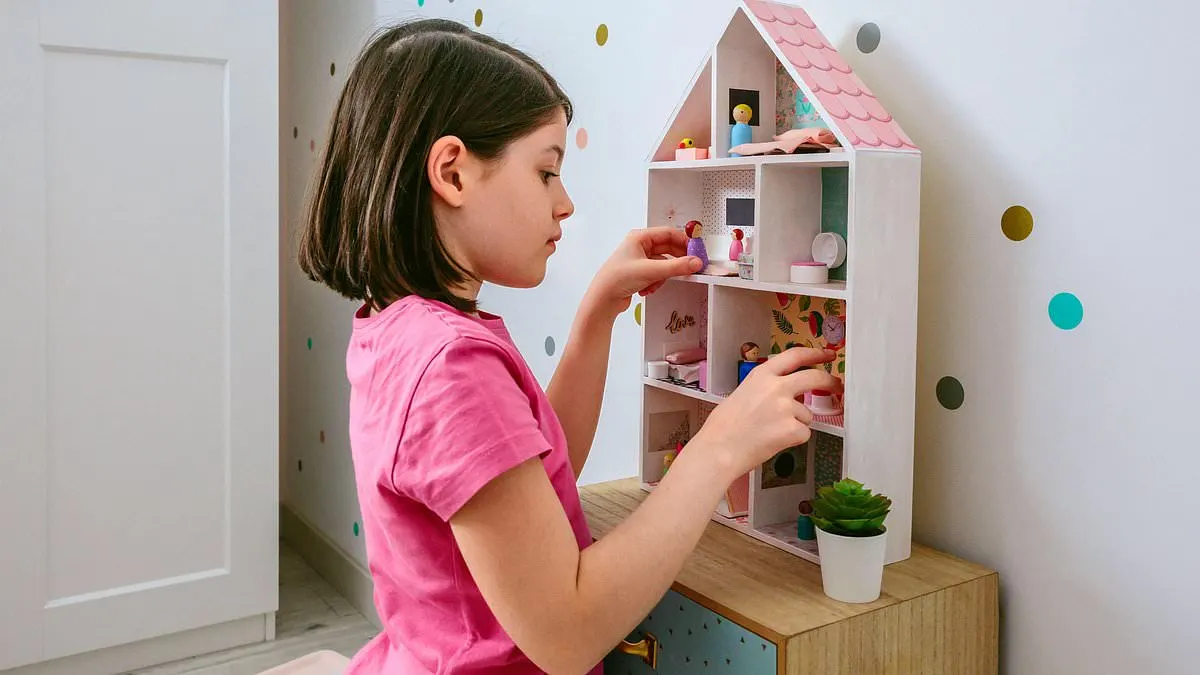
Parents are increasingly choosing screen-free toys for Christmas presents, according to major retailers, as concerns about children's technology use continue to mount. The shift marks a significant change in purchasing habits, with all of the top toys listed by major retailers like The Entertainer and Hamleys being screen-free.
UK toy sales rose by 6 per cent to £3.9 billion in 2025, the first increase since the pandemic, with retailers noting strong demand for hands-on toys like LEGO, construction sets and craft supplies. Buying directors and childhood experts suggest that screen-free toys appeal to parents because they encourage imagination, creativity and independent play, giving children agency over their entertainment rather than following preset instructions or screen-based designs.
- Screen-free toy sales are surging as parents seek alternatives to technology
- UK toy sales grew 6 per cent to £3.9 billion in 2025
- Retailers say hands-on toys spark imagination better than screen-based options
New here? Start with this
Parents in the UK have become increasingly concerned about how much time children spend looking at screens, whether on tablets, phones or television. This worry has influenced their purchasing decisions and shaped what families are looking for as gifts.
Screen-free toys are those that do not require or include digital technology to operate. Rather than offering interactive electronic features or on-screen games, they rely on traditional play such as building, creating, drawing or imaginative games. Examples include construction sets like LEGO, craft supplies and hands-on games where children set the rules and direction for play.
The toy retail market has noticed this shift, with major retailers reporting that screen-free toys now dominate their most popular products. Experts suggest parents favour these toys because they believe they help children develop creativity and imagination, and allow young people to take control of their own play rather than following predetermined paths set by electronic instructions.
Both sides, in good faith
The strongest fair case each way — we don't pick a winner.
The case for
Screen-free toys enable genuine creativity and independent play because children generate their own entertainment and meaning rather than following preset narratives or digital instructions. They reduce concerns about screen time's effects on sleep, attention and development, encourage physical activity and face-to-face interaction, and develop essential skills like spatial reasoning, problem-solving and persistence through hands-on experimentation.
The case against
Screen-based educational toys teach crucial modern competencies including coding and digital literacy through guided, interactive learning that can be more motivating and effective for many children than unstructured play alone. Digital tools offer accessibility benefits for children with certain disabilities or learning differences, and the stark binary between screen-free and screen-based obscures the reality that many effective educational toys successfully integrate both elements, providing pedagogical value that screen-only options cannot.
Read the full article at the source →
Originally published by Daily Mail as “Parents turn back to traditional toys as screen-free Christmas presents surge in popularity”.