Rapper Macklemore who was axed from Ed Sheeran tour announces new Wembley Arena gig that will benefit ‘extremist’ group that said Hamas’ hostage-taking was ‘legitimate’
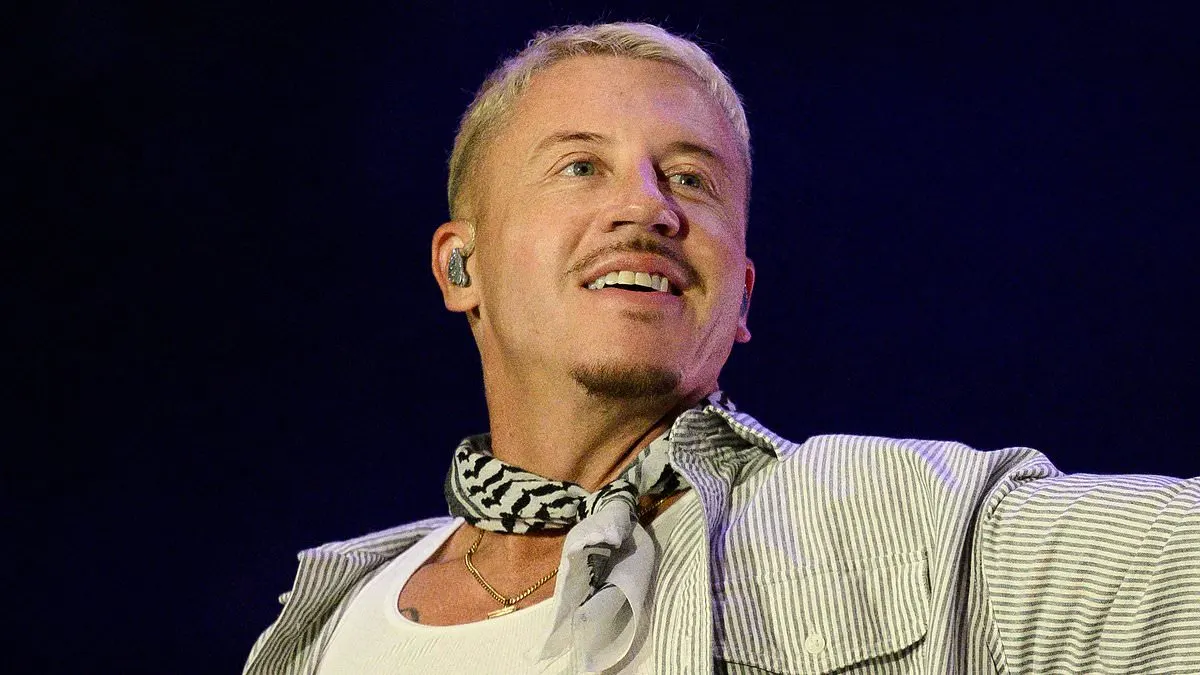
Macklemore is scheduled to perform at Wembley Arena on 30 October as part of a “Free Palestine” concert, with proceeds going to groups supporting Palestinians. One beneficiary, Palestinian Youth Movement Britain (PYM), has drawn criticism from politicians and Jewish community leaders over statements they say legitimise Hamas’s 7 October hostage-taking and support extremist causes.
The article reports that a PYM spokesperson called the hostage-taking “legitimate” and “effective”, and that the group described the 7 October attack as a “prison break”. It also cites PYM’s call for a “Siege on Labour” targeting politicians and party staff, and allegations of support for Palestine Action. Macklemore’s new dates in London, Paris and Dublin follow his removal from Ed Sheeran’s tour after pro-Palestinian remarks at shows in New Jersey; the article says other support acts withdrew in solidarity.
- Macklemore’s Wembley concert is set to support several Palestinian groups.
- PYM Britain’s inclusion has prompted criticism over its statements and campaigns.
- The gig follows Macklemore’s removal from Ed Sheeran’s tour.
New here? Start with this
Macklemore is an American rapper whose public comments about Israel and Palestinians have drawn attention. Palestinian Youth Movement Britain (PYM) is one of the groups named as a beneficiary of a planned concert supporting Palestinians.
PYM has faced criticism over statements about Hamas’s 7 October 2023 attack on Israel, when hostages were taken, and over calls targeting Labour politicians. The dispute reflects wider disagreements about how to describe the attack and the boundaries of political protest.
Both sides, in good faith
The strongest fair case each way — we don't pick a winner.
The case for
Supporters may see the concert as a way to raise funds and attention for Palestinians facing grave hardship, while using music to express opposition to Israeli policy. They could argue that associating with a beneficiary does not mean endorsing every statement attributed to it, and that controversial speech should be answered with scrutiny rather than by restricting artists’ platforms.
The case against
Critics may argue that a high-profile concert risks lending legitimacy and resources to a group whose reported description of hostage-taking as legitimate and effective crosses a serious moral line. They may also see the reported calls targeting Labour figures and alleged support for Palestine Action as grounds to question whether the event’s beneficiaries are consistent with peaceful advocacy, and believe artists should take responsibility for the groups they choose to support.