Royal Navy seeks suppliers for planned Type 93 uncrewed submarine procurement
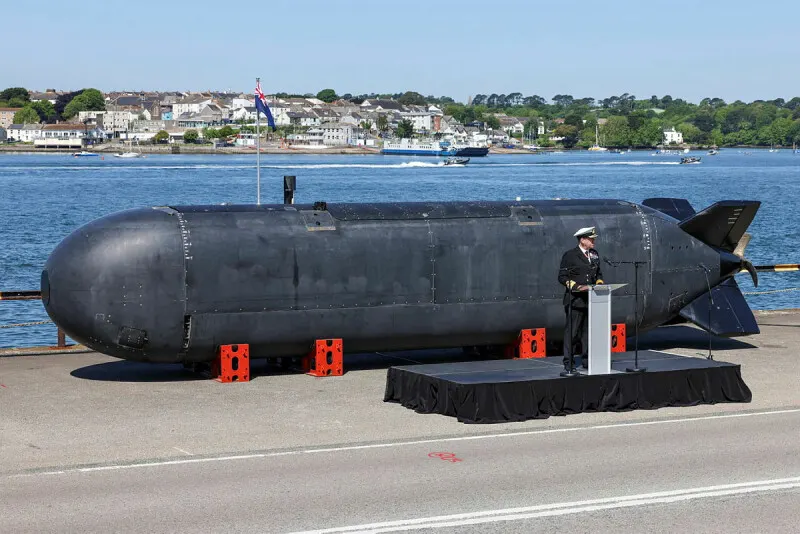
The Royal Navy is seeking information from defence suppliers as it prepares for a possible procurement programme for the Type 93, a large uncrewed submarine. The vessel is intended to support the Navy’s Hybrid Navy plans and could operate independently or alongside crewed ships to help protect UK waters and undersea infrastructure.
The Ministry of Defence is inviting interest from builders of extra-large uncrewed underwater vehicles, as well as companies making payloads, autonomous systems, artificial intelligence and mission-management software, and firms offering integration and long-term support. It is initially considering submarines about 12 metres long and two metres wide, dimensions broadly matching the Royal Navy’s XV Excalibur and BAE Systems’ Herne prototypes. The notice is an early market exercise, not a commitment to buy a system; the wider plan also includes uncrewed sensor and missile platforms and six Common Combat Vessels, expected from the early 2030s.
- The Navy is sounding out suppliers for a possible Type 93 submarine.
- Initial candidate dimensions are about 12 metres long and two metres wide.
- The market notice does not commit the Ministry of Defence to a purchase.
New here? Start with this
The Type 93 is a planned large uncrewed submarine: a vessel designed to operate underwater without a crew on board. The Royal Navy’s “Hybrid Navy” plans combine crewed ships with uncrewed vessels that could work independently or alongside them.
The Ministry of Defence is seeking information from companies that could build the submarine or supply its sensors, software and other systems. The early market exercise helps the Navy understand what industry can offer; it does not mean the government has decided to buy one.
The plans reflect interest in using uncrewed vessels to help monitor and protect UK waters and undersea infrastructure, such as cables and pipelines. They sit within a wider programme that also includes other uncrewed platforms and six planned Common Combat Vessels.
Both sides, in good faith
The strongest fair case each way — we don't pick a winner.
The case for
A large uncrewed submarine could extend the Navy’s ability to monitor and protect undersea infrastructure and UK waters, while working alongside crewed ships or taking on missions independently. Seeking information from suppliers now may help the Ministry of Defence understand available technology, integration needs and long-term costs before deciding whether to proceed.
The case against
An early market exercise can still create momentum towards an expensive procurement before the Navy has shown that this type of vessel is the best way to address the risks. Autonomous systems also raise questions about reliability, oversight and how they would operate alongside crewed forces, so decision-makers should weigh those concerns and the opportunity cost against other ways to protect undersea infrastructure.
AI Americas Software Technology World
Read the full article at the source →
Originally published by The Register as “Royal Navy goes fishing for suppliers to build its Type 93 robot submarine”.