Science news and discussion on TalkFuse.
RSPB marks 50 years at wildlife-rich reserve
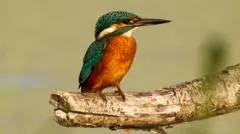
Strumpshaw Fen, an RSPB nature reserve on the Norfolk Broads, is celebrating 50 years since it was taken over from unmanaged fenland in the mid-1970s. The reserve is notable for supporting rare and threatened species in a setting that reserves manager Helen Deavin describes as unusually accessible, making it a "hidden gem" where visitors can readily see wildlife that is otherwise difficult to spot elsewhere in the UK.
The 450-hectare (1,112-acre) site is home to nesting bitterns, swallowtail butterflies, marsh harriers, bearded tits, otters, water voles, fen raft spiders and rare sharp-leaved pondweed, and a pair of cranes successfully raised a chick there this summer. Deavin said the summer's heatwaves had been tough on the reserve, with hopes for a cooler, wetter autumn, though staff are bracing for potential flooding and saline surges linked to seasonal tides. To mark the anniversary, Strumpshaw is running celebratory events including guided walks.
In short
- Strumpshaw Fen marks 50 years as an RSPB reserve on the Norfolk Broads
- Home to rare species: bitterns, swallowtails, cranes, otters and more
- Reserve hosting guided walks and events to celebrate the milestone
Explained simply
The RSPB is a UK charity that works to protect birds and other wildlife, including by managing nature reserves. Strumpshaw Fen is a large wetland reserve in the Norfolk Broads, a network of rivers and marshes in eastern England.
Fenland is low-lying, waterlogged land that can support a wide range of plants and animals. Strumpshaw provides habitat for species such as bitterns, marsh harriers and otters, and its paths and viewing areas make some wildlife easier for visitors to see.
Wetlands can be affected by hot, dry weather as well as flooding and changes in water salinity. Managing a reserve means balancing wildlife needs with these changing conditions while keeping the site accessible to visitors.