Ukrainian strikes disrupt services at three Russian Yandex data centres
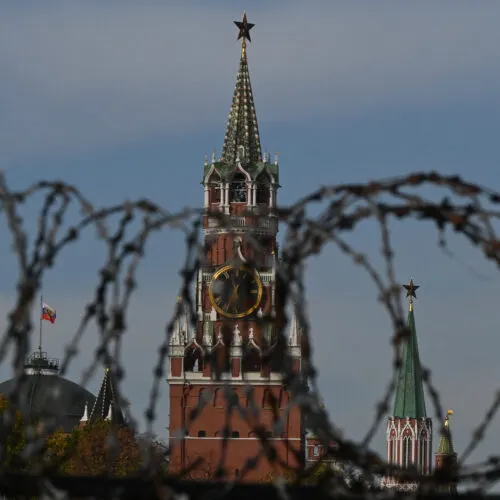
Ukraine has struck three major Yandex data centres in Russia over several days, disrupting a range of digital services. The attacks followed Russian strikes on Ukrainian data centres and telecoms infrastructure, and have exposed how concentrating services in a few facilities can make them vulnerable during a conflict.
The strikes hit sites in Sasovo on 8 October, Kaluga on 9 October and Vladimir on 11 October. The Sasovo centre houses two Yandex supercomputers used to train its YandexGPT AI model; damage to them has not been confirmed. Reported disruptions have affected payments, banking, email, shopping, streaming, transport and mapping services, while Yandex holds about 70 per cent of Russia’s search market and provides cloud computing to major businesses.
- Ukraine struck three Yandex data centres in several days.
- Digital services across Russia faced reported outages.
- Commentators warned that centralised infrastructure is vulnerable.
New here? Start with this
Yandex is Russia's largest technology company, handling the country's search engine, email, payment systems, mapping and cloud computing services. It controls roughly 70 per cent of Russia's search market and is integral to how millions of Russians access the internet and conduct business.
Data centres are vast warehouses filled with computers and servers that store and process information for digital services. When one is damaged, it can knock out multiple services simultaneously. The recent strikes have disrupted services ranging from banking and shopping to transport and entertainment, illustrating how vulnerable digital infrastructure becomes when many critical services depend on just a few physical facilities.
Ukraine and Russia have been targeting each other's infrastructure throughout the conflict, both militarily and through cyber operations. These particular attacks fit into that broader pattern of targeting the other side's digital capabilities and economy.
Both sides, in good faith
The strongest fair case each way — we don't pick a winner.
The case for
Ukrainian forces argue these strikes represent justified responses to Russian attacks on Ukrainian infrastructure and necessary targeting of dual-use facilities supporting Russia's military operations and economy. As the weaker party defending against invasion, Ukraine must degrade the aggressor's capabilities; data centres hosting critical services can reasonably be considered legitimate military targets when they sustain both defence operations and the broader economy supporting the war effort. Such strikes follow the principle that nations may disrupt an adversary's infrastructure, particularly when that adversary initiated similar attacks.
The case against
International humanitarian law distinguishes between military and civilian targets, and critics contend these strikes primarily harm ordinary Russian civilians by disrupting banking, email, medical and shopping services rather than directly supporting military operations. Yandex is fundamentally a commercial enterprise serving civilians; deliberately targeting such infrastructure sets a dangerous precedent for attacking civilian systems worldwide and undermines humanitarian protections that should apply regardless of provocation. Whilst Russia's own strikes on Ukrainian infrastructure are equally problematic, escalatory tit-for-tat attacks risk normalising the erosion of civilian protections central to the laws of war.
Art Business Celebrity Culture Economy Entertainment Europe World
Read the full article at the source →
Originally published by Ars Technica as “Russia was not ready for the data center war it started with Ukraine”.