Scottish Labour leadership frontrunner admits party faces ‘systemic’ problems as he vows new taxes on families and big businesses
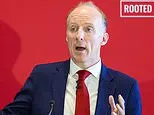
Michael Marra, the frontrunner to become Scottish Labour's next leader, has admitted the party faces "systemic" problems while proposing new taxes on wealthy individuals and large corporations to address funding pressures. Speaking in Glasgow, he said dissatisfaction with Sir Keir Starmer had been "a storm from which the Scottish Labour Party had failed to make itself weatherproof," and argued the party's difficulties stem from a combination of leadership, organisation, message and policy failures rather than any single cause. The comments come as Scottish Labour seeks to rebuild after its worst Holyrood election result since devolution.
Marra, who is contesting the leadership against new MSP Joe Fagan following Anas Sarwar's move to the House of Lords, said he wanted an economy that "redistributes power, wealth and opportunity" by asking "the wealthiest and the big corporations to pay their fair share." He declined to specify exactly who should pay more but said he was open to replacing council tax and introducing a wealth tax, and defended his previously criticised windfall tax proposal on supermarkets. He also confirmed he would not back John Swinney's proposed food price cap, calling it unworkable, and said he stood by telling new Prime Minister Andy Burnham to "shut up" at last year's party conference. Rival candidate Joe Fagan separately called for the Scottish Government to scrap planned social care cuts and provide an extra £750 million in funding.
- Marra, Scottish Labour leadership frontrunner, admits party's problems are "systemic"
- He proposes new taxes on wealthy people and big businesses
- Rival Fagan calls for £750m more social care funding instead of cuts
New here? Start with this
Michael Marra is the frontrunner to lead Scottish Labour, a race triggered after Anas Sarwar stood down as leader to take up a seat in the House of Lords. Marra faces new MSP Joe Fagan in the contest, which comes as the party tries to recover from its worst result in a Scottish Parliament election since devolution began.
Scottish Labour has struggled with poor poll ratings and internal criticism of its direction, including unease over UK Labour leadership under Sir Keir Starmer. The party's next leader will need to set out how Labour can rebuild support in Scotland ahead of future elections, including policy on tax, public spending and social care.
The Scottish Parliament, known as Holyrood, has its own powers over some taxes and areas like social care, separate from the UK government at Westminster. Decisions taken by whoever wins this leadership contest could shape Scottish Labour's policies on issues such as taxation and public services in the run-up to the next Holyrood election.
Both sides, in good faith
The strongest fair case each way — we don't pick a winner.
The case for
Advocates of Marra's approach argue that after years of austerity and widening inequality, it is reasonable to ask the wealthiest individuals and largest corporations to contribute more so that public services such as social care and local government are properly funded. They see a wealth tax or reform of council tax as a chance to build a fairer, more progressive system that better reflects ability to pay, and view a windfall levy on supermarkets as a proportionate response to strong profits made during a cost-of-living squeeze. For supporters, this is less about ideology than about redistributing power and opportunity in a way that rebuilds public trust in Labour as a party for ordinary working families.
The case against
Critics, including within Labour's own ranks, worry that pledging new taxes on businesses and wealthy individuals before specifying who would pay, and how much, risks deterring investment and jobs in an already fragile Scottish economy, and could see costs passed on to consumers through higher prices. They argue that rhetoric about making the wealthy 'pay their fair share' is easy to say but hard to design without unintended consequences, such as driving capital or employers elsewhere, and that a party still reeling from its worst Holyrood result should focus on credible, costed policy rather than broad tax pledges that may alarm swing voters. Some also see rejecting a food price cap while backing a supermarket windfall tax as an inconsistent approach to cost-of-living pressures on families.