World news and discussion on TalkFuse.
September Showdown! SCOTUS Orders Blue State AGs To Respond To ParaBros Merger Antitrust Suit Objection From Iowa & Montana
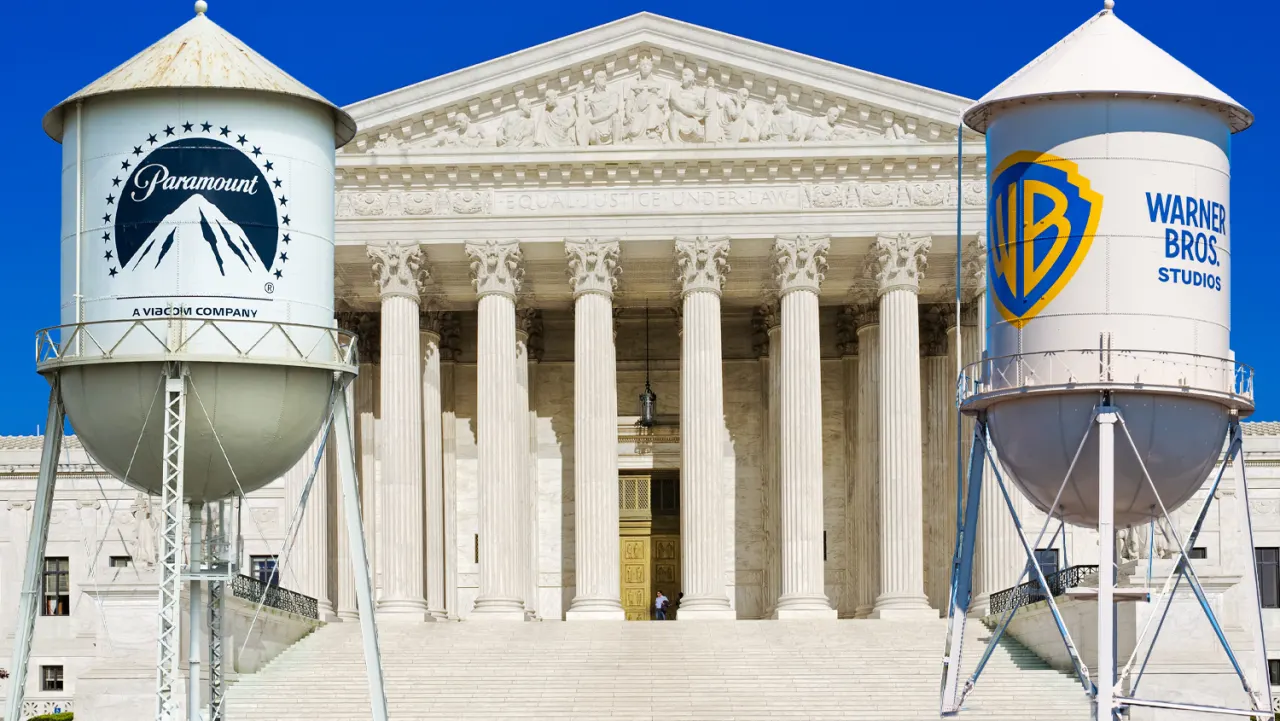
The US Supreme Court has ordered California and 11 other Democratic-led states to respond by 25 September 2026 to a challenge from Iowa and Montana over their attempt to block Paramount Skydance's $111 billion (£87 billion) merger with Warner Bros Discovery. The order does not confirm that the Court will take up the Republican-led states' request, but it signals the justices may be weighing whether to fast-track the case, prolonging a bitter legal fight that has pitted the studio against a coalition of blue-state attorneys general.
The deadline falls the day after the twelve states are due to contest Paramount's request for a $1.88 billion bond before a federal judge in Oakland, and shortly before a $7 million-a-day penalty to Warner Bros Discovery shareholders begins accruing, amounting to more than $635 million a quarter. California Attorney General Rob Bonta has dismissed Paramount's threats to relocate from the state as "blackmail" and described the states' July antitrust filing as clear-cut, while Paramount and Iowa Attorney General Brenna Bird argue the opposition is politically motivated, noting the deal already has approval from the Trump administration's Department of Justice, the UK, the EU and Canada. Neither Paramount nor the state attorneys general offices have commented on the Supreme Court's order.
In short
- Supreme Court gives blue states until 25 September to respond to merger challenge
- Case stems from Iowa and Montana opposing the block on Paramount-WBD deal
- Ruling could accelerate high-stakes, politically charged antitrust dispute
Steelman: both sides, in good faith
The strongest fair case each way — we don't pick a winner.
The case for
Iowa and Montana can argue that a merger of this scale warrants careful antitrust scrutiny, even where other regulators have approved it, and that state officials should be able to pursue a credible challenge through the courts. They may also contend that requiring the states to defend their case is a routine step in resolving a legal dispute, not proof of political interference.
The case against
California and the other states can argue that their challenge rests on a substantive assessment of competition and that they are entitled to defend it in court without being treated as acting for partisan reasons. They may also maintain that a Supreme Court order to respond does not establish that the challenge is politically motivated or that the merger should proceed, while decisions about the case should follow the evidence and legal process.
Explained simply
The proposed deal would combine Paramount Skydance, which owns film and television studios, with Warner Bros Discovery, owner of Warner Bros, HBO and news networks including CNN. A merger of this size could reshape the US entertainment industry, affecting competition among studios and the companies that make and distribute films, television and news.
US antitrust laws allow government authorities to challenge mergers they believe may reduce competition. State attorneys general can bring such cases; here, California’s Rob Bonta is among those opposing the deal, while Iowa’s Brenna Bird supports the challenge to the states’ case. Federal, state and overseas reviews are separate processes, so approval in one jurisdiction does not settle the others.
Americas Art Business Companies Culture Markets World