Shane Gillis Intentionally Avoided Taking a Picture with Trump
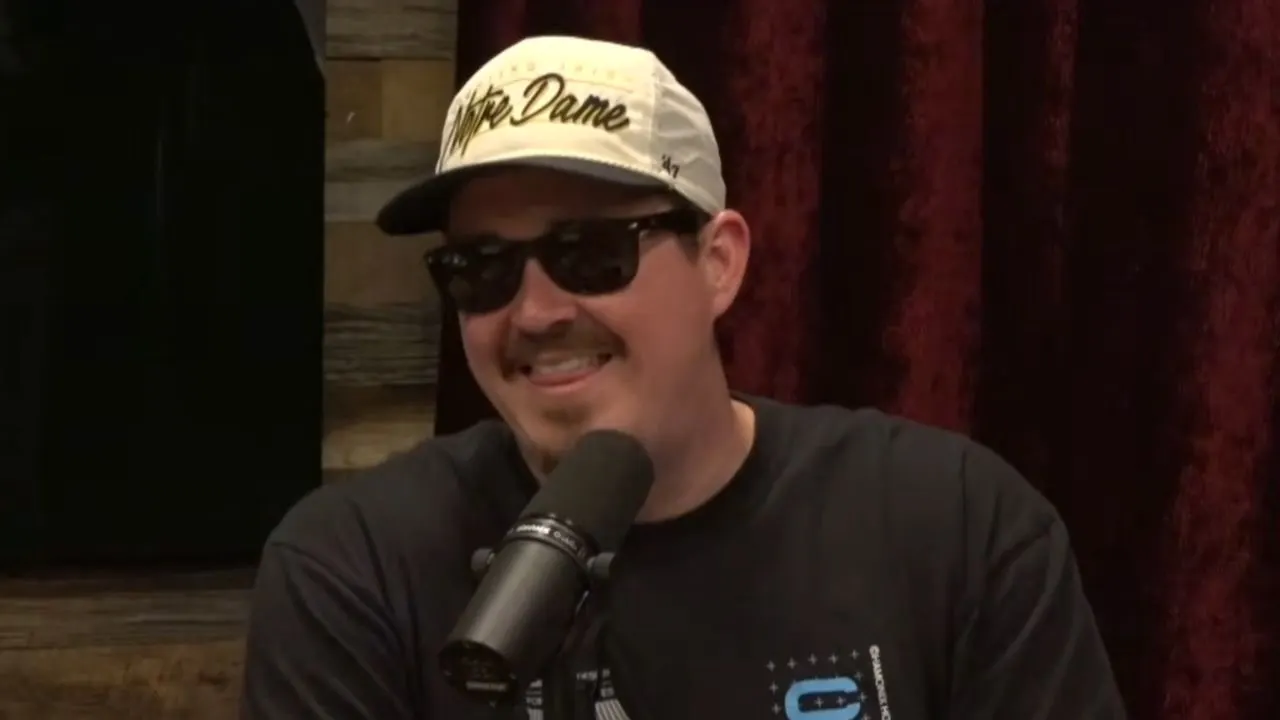
Comedian Shane Gillis said he deliberately avoided being photographed with Donald Trump during a White House UFC event earlier this summer, declining access to the VIP room and waiting outside in the rain. His comments matter because they signal a public distancing from Trump despite Gillis having previously appeared supportive of some of the former president’s stated promises.
Speaking on The Joe Rogan Experience, Gillis said he had expected Trump to release the Epstein files and prevent further wars when they previously posed for a photograph. He said those expectations were formed before “a lot of things” happened, and stressed that he had not voted for Trump.
- Gillis avoided a new photograph with Trump.
- He says he is no longer on the Trump bandwagon.
- Gillis says he never voted for Trump.
New here? Start with this
Shane Gillis is an American stand-up comedian and actor known for appearing on podcasts and for his direct, often controversial style of comedy. Donald Trump is the former US president and a major figure in Republican politics, while the Ultimate Fighting Championship, or UFC, is a leading mixed martial arts promotion whose events often attract celebrities and political figures.
Gillis has previously been photographed with Trump and has discussed some of Trump’s campaign promises in public. The Epstein files refer broadly to records connected with the late financier Jeffrey Epstein, whose links to powerful people have drawn sustained public interest, while foreign wars are a recurring issue in US political debate.
Both sides, in good faith
The strongest fair case each way — we don't pick a winner.
The case for
Supporters of Gillis’s decision may argue that public figures are entitled to set clear boundaries around political association, especially when a photograph can be read as an endorsement. They may see his choice as a candid acknowledgement that his earlier hopes about promises such as releasing Epstein-related material and avoiding further wars were not fulfilled, and as evidence that he does not want his comedy or public identity recruited into a partisan camp. This view values personal independence, accountability for political expectations and honesty about changing one’s assessment of a politician.
The case against
Critics may argue that declining even a brief photograph with a former president at a sporting event gives excessive symbolic weight to ordinary social contact and reinforces political tribalism. They may contend that Gillis’s stated expectations simplify complicated matters of government, particularly foreign policy and the handling of sensitive investigative records, where presidents face legal, security and institutional constraints. This view values civility across political differences and cautions against treating proximity to a political figure as proof of total endorsement or opposition.