Smart just unveiled a new ultra-compact EV at the Paris Motor Show
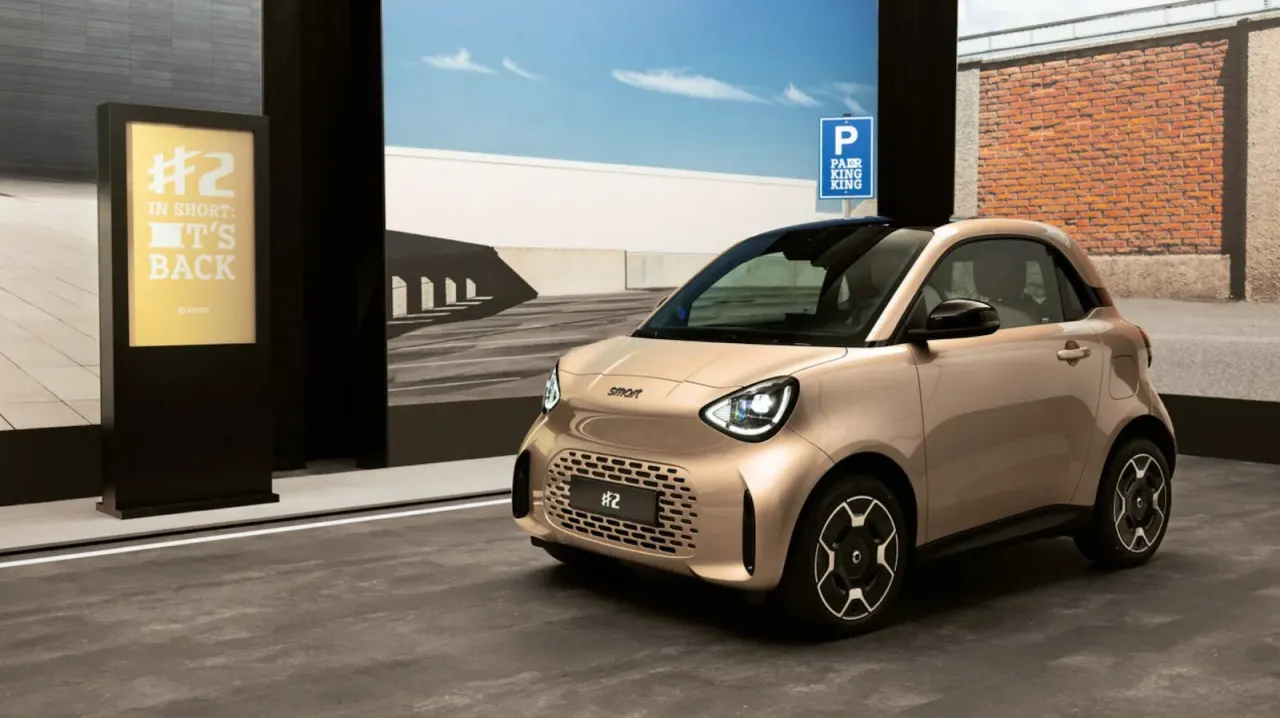
Smart has unveiled the two-seat #2 electric car at the Paris Motor Show, returning to the ultra-compact city-car format associated with its Fortwo after several SUV releases. The model is designed for tight streets and narrow parking spaces, and its claimed range and fast charging could make it practical for urban journeys.
The rear-wheel-drive car has a 60kW motor and a claimed range of up to 180 miles (290km); fast charging can take the battery from 10 to 80 per cent in 20 minutes. It includes driver-assistance systems and two screens, with higher trims adding features such as heated seats and a glass roof. Smart says the starting price will be below £20,000, with pre-orders expected in spring and deliveries in summer; exact dates and prices have not been announced.
- Smart’s two-seat #2 targets city driving and tight parking.
- It claims up to 180 miles of range.
- UK pricing starts below £20,000, with orders expected in spring.
New here? Start with this
Smart is an automaker known for making tiny, lightweight cars built for city driving. The brand became famous for the Fortwo, a two-seater compact enough to slot into impossibly tight parking spaces and navigate narrow European streets.
The new #2 marks Smart's return to this ultra-compact format after several years focused on slightly larger SUV models. This two-seat electric car offers a claimed range of around 180 miles and fast charging that tops up the battery from 10 to 80 per cent in 20 minutes, with prices expected to start below £20,000.
The revival of the ultra-compact format is notable because this segment has largely shrunk as manufacturers have shifted their focus to larger vehicles. Smart's return suggests there is still demand from urban drivers who value nimbleness and affordability, even as most of the industry pursues bigger models.
Both sides, in good faith
The strongest fair case each way — we don't pick a winner.
The case for
Smart's return to ultra-compact EVs makes genuine sense for urban mobility. Cities face chronic congestion and parking scarcity where only small vehicles are practical, and a sub-£20,000 price point brings electric cars within reach for ordinary drivers; for commuting where 180 miles exceeds typical daily needs, this addresses real customer requirements whilst consuming less material than larger alternatives. Smart returns to its core purpose of efficient urban transport that markets still demonstrably demand.
The case against
Pursuing compact cars runs against established market trends and financial realities. Consumer preference has shifted decisively towards larger vehicles, with SUV segments delivering higher margins and sales volumes needed for corporate development, whilst the 60kW motor and 180-mile range limit practical utility. Smart faces intense competition in this saturated, low-margin segment; the company may waste resources here rather than where demand and profitability genuinely exist.