Warner Bros Discovery insiders quietly welcome antitrust threat to Paramount bid
Developed over time first seen 3 months ago
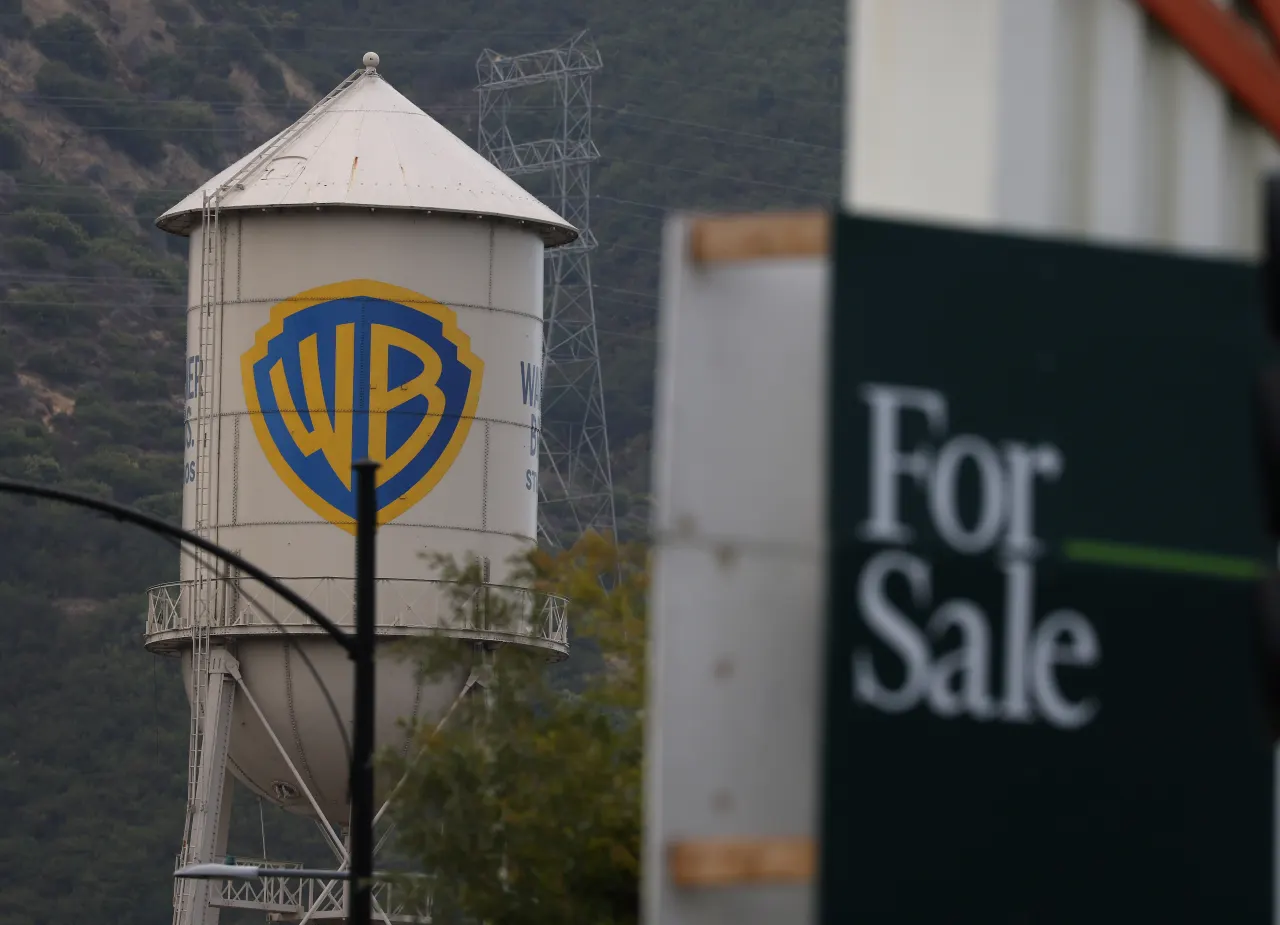
Warner Bros. Discovery's proposed $111 billion (£87bn) takeover by Paramount Skydance has been paused indefinitely after 12 Democratic state attorneys general filed an antitrust lawsuit to block it, with sources reporting that a notable contingent of WBD executives privately hope the litigation will succeed and sink the deal entirely. Simon Robinson, WBD's president of global experiences and studio operations, told staff in a memo that the company remained confident of prevailing and believed the transaction was "pro-competitive," even as internal divisions persisted over whether the merger should go ahead at all.
The trial timing remains contested, with Paramount pushing for a hearing this autumn while the states want proceedings to begin in 2027; a ruling against the deal would likely trigger an appeal, potentially leaving the merger unresolved into the second half of 2027. The prolonged uncertainty, compounded by fears of mass layoffs once any deal closes, has left staff at both companies anxious and seeking clarity on issues such as planning for next year's upfront presentations. Paramount Skydance chief executive David Ellison wrote to employees acknowledging the "challenging" situation while insisting the law was on the company's side and that business would continue as usual in the meantime.
- Some WBD executives secretly want the antitrust lawsuit to kill the Paramount merger.
- Trial timing disputed: Paramount wants autumn, states want 2027.
- Staff at both firms remain anxious over potential delays and layoffs.
New here? Start with this
Warner Bros. Discovery and Paramount Skydance are in the middle of a proposed $111 billion merger, one of the biggest media deals in years, bringing together two major Hollywood studios and their television and streaming businesses. That deal is now stalled because a group of 12 Democratic state attorneys general have filed an antitrust lawsuit seeking to block it, arguing it would harm competition. Courts and regulators can step in when mergers of this size might reduce choice or raise prices for consumers, which is what this lawsuit is testing.
The case has left the timeline for the merger deeply uncertain, with disagreement over whether the trial should happen this autumn or be pushed back to 2027, a gap that could leave the matter unresolved for well over a year. This matters because mergers on hold tend to create instability for the companies involved, affecting decisions on jobs, investment and business strategy while everyone waits to see whether the deal will ultimately go ahead.
What makes this particular episode notable is that the pressure is not only coming from outside. Some executives within Warner Bros. Discovery itself are reportedly hoping the lawsuit succeeds in derailing the deal, suggesting internal disagreement about whether the merger is actually in the company's interest, separate from the legal and regulatory questions being fought out in court.
Both sides, in good faith
The strongest fair case each way — we don't pick a winner.
The case for
Supporters of the legal challenge argue that combining two of the largest legacy media and entertainment companies into a $111 billion entity risks concentrating unprecedented control over film, television and news content in very few hands, which could reduce viewpoint diversity, weaken competitive pressure on pricing and licensing, and erode bargaining power for creators and smaller studios. They view robust antitrust enforcement, including action by state attorneys general, as a vital check on excessive consolidation in an industry central to public discourse and information access. From this standpoint, thorough scrutiny is worth the resulting uncertainty if it prevents a durable reduction in market competition.
The case against
Opponents of the lawsuit argue that the merger is a rational response to intense competition from streaming platforms and technology giants, and that prolonged litigation inflicts real harm on employees, shareholders and consumers through damaging uncertainty without a proven competitive benefit. They question whether state attorneys general are the right venue to adjudicate a national transaction typically reviewed by federal regulators, and note that the case originating with Democratic officials invites reasonable questions about political motivation. They point to the companies operating in good faith within agreed merger terms and expressing confidence in their legal position, viewing continued delay as an unwarranted obstacle to a deal that could strengthen their long-term competitiveness.
More coverage
Business Companies Cricket Research Science Sport
Read the full article at the source →
Originally published by Variety as “Some Warner Bros. Execs Are Hoping States’ Antitrust Lawsuit Derails Paramount Deal”.