Politics news and discussion on TalkFuse.
STEVE MOORE: After midterm rout, here’s how Trump can start fixing affordability
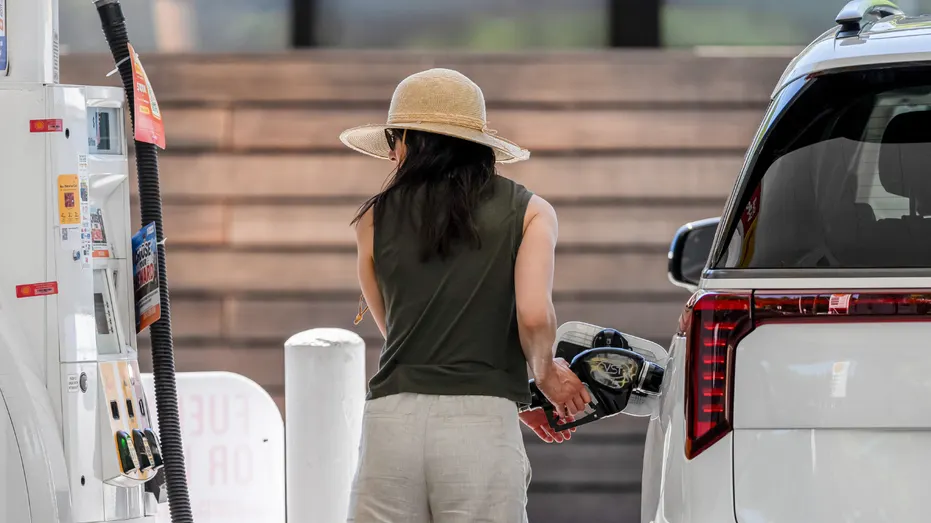
The article argues that Republicans’ losses in the 3 November midterm elections were driven largely by voters’ concerns about fuel costs and affordability. It urges Donald Trump to acknowledge those concerns publicly and make the cost of living a central test of policy over the next two years.
The author proposes suspending the federal petrol tax of 18.4 cents a gallon and renewable fuel rules said to add up to 45 cents to fuel costs, aiming to reduce pump prices by at least 50 cents a gallon. He also calls for an emergency order or legislation, permitting reform for pipelines and refineries, and cooperation with Democrats. The article cites exit polls in which a majority of voters said their family finances were worsening, and criticises Democratic energy policies as contributing to higher prices.
In short
- The author says affordability and fuel costs drove Republican losses.
- He proposes suspending fuel taxes and renewable fuel rules.
- He urges Trump to work with Congress on lower pump prices.
Steelman: both sides, in good faith
The strongest fair case each way — we don't pick a winner.
The case for
Supporters could argue that voters’ concerns about fuel and household costs warrant an immediate, visible response, and that suspending federal petrol taxes and easing rules that raise fuel costs could offer relief while broader reforms take effect. They may also see faster approval of pipelines and refineries, alongside cooperation across party lines, as a practical way to expand supply and make affordability a clear test of government policy.
The case against
Critics could argue that suspending fuel taxes may provide limited or temporary relief, while reducing revenue for public needs, and that the proposed savings at the pump are uncertain. They may also contend that weakening renewable fuel requirements or accelerating fossil fuel infrastructure could undermine climate goals and prolong reliance on oil, while affordability concerns call for broader measures addressing costs beyond petrol.