Politics news and discussion on TalkFuse.
Summer School: Republicans’ crusade to teach voters the ‘New Math’ on the ‘commie caucus’
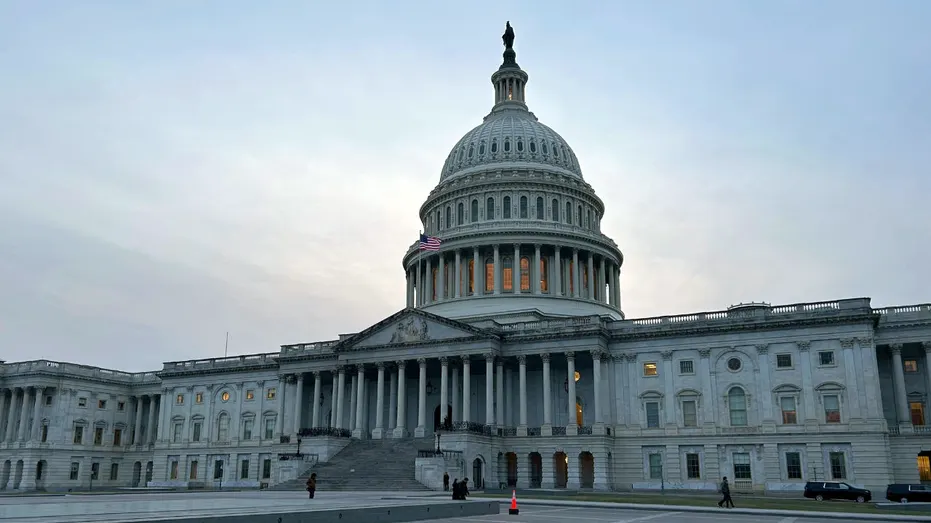
As Congress enters its summer recess, Republican leaders are focusing campaign messaging on depicting certain Democratic candidates as extreme leftists. House Majority Leader Steve Scalise framed the upcoming election as a choice between 'communism and freedom,' whilst other representatives invoked imagery of communist influence within the Democratic Party. The strategy involves using the recess period to disseminate these messages directly to voters.
The campaign reflects Republican efforts to centre midterm elections on ideological grounds rather than specific policies. Party leaders intend to highlight Democratic positions they characterise as increasingly radical, making this ideological framing a cornerstone of their campaign. This represents a deliberate strategic choice about which election themes to emphasise during the campaign period.
In short
- Republicans framing the midterm election as a choice between 'communism and freedom'
- Party leaders invoking imagery of communist influence within Democratic ranks
- Campaign strategy centres on ideology rather than specific policy differences
Steelman: both sides, in good faith
The strongest fair case each way — we don't pick a winner.
The case for
Republican campaign leaders argue this approach is justified because voters deserve to understand the fundamental ideological direction of the Democratic Party. When reviewing accumulated policy positions on spending, regulation, and the role of government, they contend Democrats represent a significant leftward shift, and highlighting these ideological differences is legitimate campaigning. Political contests traditionally involve contrasting visions for the country, and voters have a right to evaluate parties on their core beliefs about governance.
The case against
Critics contend this approach substitutes inflammatory rhetoric for substantive debate about actual policies and their concrete effects. Rather than engaging specific proposals on their merits, the strategy relies on ideological branding and terms like "communist" that mischaracterise opponents rather than describe their positions accurately. This prevents voters from evaluating concrete plans and instead encourages treating political opponents as enemies rather than fellow citizens with whom democracies must negotiate and find common ground.
Explained simply
Congress breaks for summer recess, with members returning to their constituencies to campaign. Republican leaders are using this period to target Democratic candidates, employing language that frames them as extreme leftists aligned with communist ideology. House Majority Leader Steve Scalise and other senior Republicans are leading this messaging push directly to voters.
Rather than focusing on specific policies or governing records, Republican strategists are centring their campaign on broad ideological claims. They are presenting the election as a fundamental choice between opposing worldviews, characterising their Democratic opponents' positions as radical and increasingly extreme. This represents a deliberate decision about which themes to emphasise during the campaign period.
The approach reflects a wider strategic calculation about how midterm elections should be fought. By focusing on ideology rather than individual policy proposals, Republicans are attempting to shift the debate away from specific issues and toward sweeping characterisations of the opposing party. This framing will likely shape how both parties campaign through the election cycle.