Téa Leoni & Tim Daly Say “We Don’t Need An Intimacy Coordinator” On ‘Newlyweds’; Jamie Lee Curtis Shares Her NSFW Title On NBC Comedy
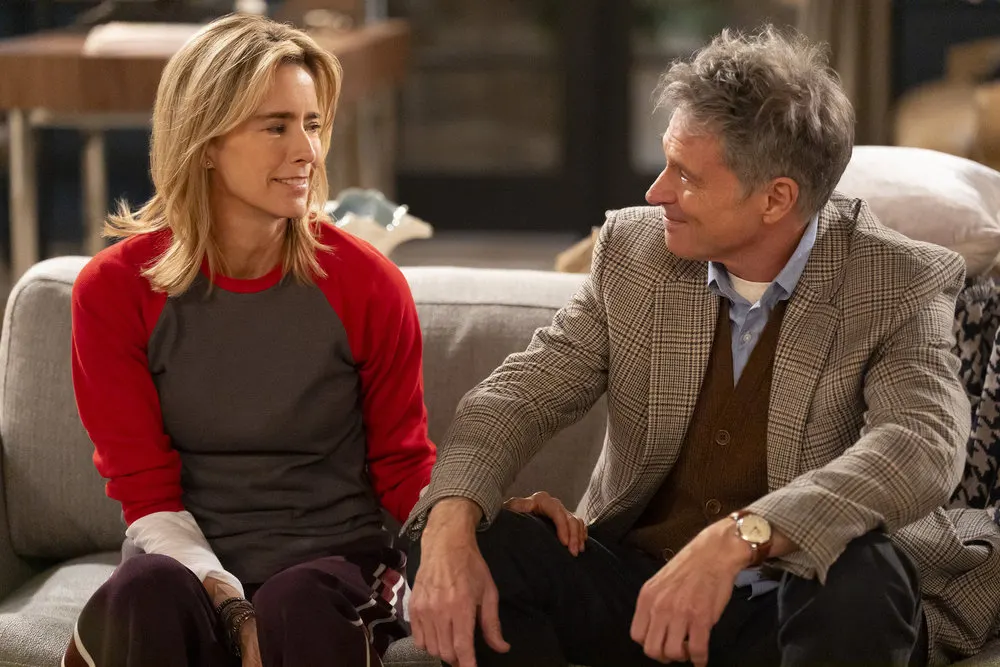
NBC's fall comedy pilot features Téa Leoni and Tim Daly as the leads, capitalising on a notable real-life coincidence: the two actors married each other months before being cast in the show. The pairing reunites them professionally after six years working together on the CBS drama Madam Secretary, where they also played a married couple. Both actors expressed enthusiasm about the opportunity to collaborate again, with Daly noting the unique advantage of their real marital status whilst working on an on-screen romance.
The show, created by Jamie Lee Curtis and executive produced by the Oscar winner, follows a free-spirited woman (Leoni) who impulsively marries a conservative academic (Daly). Leoni discussed the creative advantage of acting opposite someone she knows intimately, describing how their personal connection allows them to authentically discover moments in their characters' scenes. Curtis, who also appears in a recurring role as Daly's ex-wife, embraced her leadership position on set and characterised her character with frank humour.
- NBC's 'Newlyweds' stars Téa Leoni and Tim Daly as a married couple—both in the show and real life
- The actors reunite after playing spouses on 'Madam Secretary' and credit their chemistry to their actual relationship
- Jamie Lee Curtis serves as creator and executive producer whilst recurring as the male lead's ex-wife
New here? Start with this
Two actors, once married on screen, are now married in real life — and NBC's new comedy leans into that. Téa Leoni and Tim Daly previously played a married couple for years on the CBS drama Madam Secretary, and have since become a real-life married couple themselves. That coincidence is central to Newlyweds, NBC's forthcoming comedy pilot, in which they again play spouses.
The show was created by actress and writer Jamie Lee Curtis, who also executive produces and appears in a recurring role. Its plot follows a free-spirited woman, played by Leoni, who impulsively marries a more conservative academic character played by Daly, with Curtis appearing as his ex-wife.
The story matters to entertainment audiences because it's an unusual case of real-life marital status shaping a scripted television project, and because it involves well-known names from film and television returning to work together under a high-profile creator.
Both sides, in good faith
The strongest fair case each way — we don't pick a winner.
The case for
Advocates for the couple's choice argue that intimacy coordinators exist primarily to establish trust, consent and safety between performers who do not otherwise know one another well, and that a married couple already possesses an established, consensual intimacy that renders an intermediary redundant. They would say performers should retain autonomy over their own bodies and creative choices, and that rigid, one-size-fits-all mandates can feel patronising when both parties freely agree they neither need nor want the arrangement, potentially even hampering the authentic, lived-in chemistry the actors bring to the roles.
The case against
Those who favour retaining intimacy coordinators regardless of a couple's marital status would argue the role is not only about consent between the two performers but also about professional choreography, crew comfort, and safeguarding a consistent industry standard hard-won after years of advocacy following past on-set misconduct scandals. They might caution that high-profile stars opting out, even with good intentions, risks signalling that these protections are optional extras rather than essential professional practice, and note that off-screen relationships do not automatically eliminate power imbalances or unforeseen discomfort once cameras are rolling.