Tesla’s Robotaxi fleet might finally be driving around Austin unsupervised
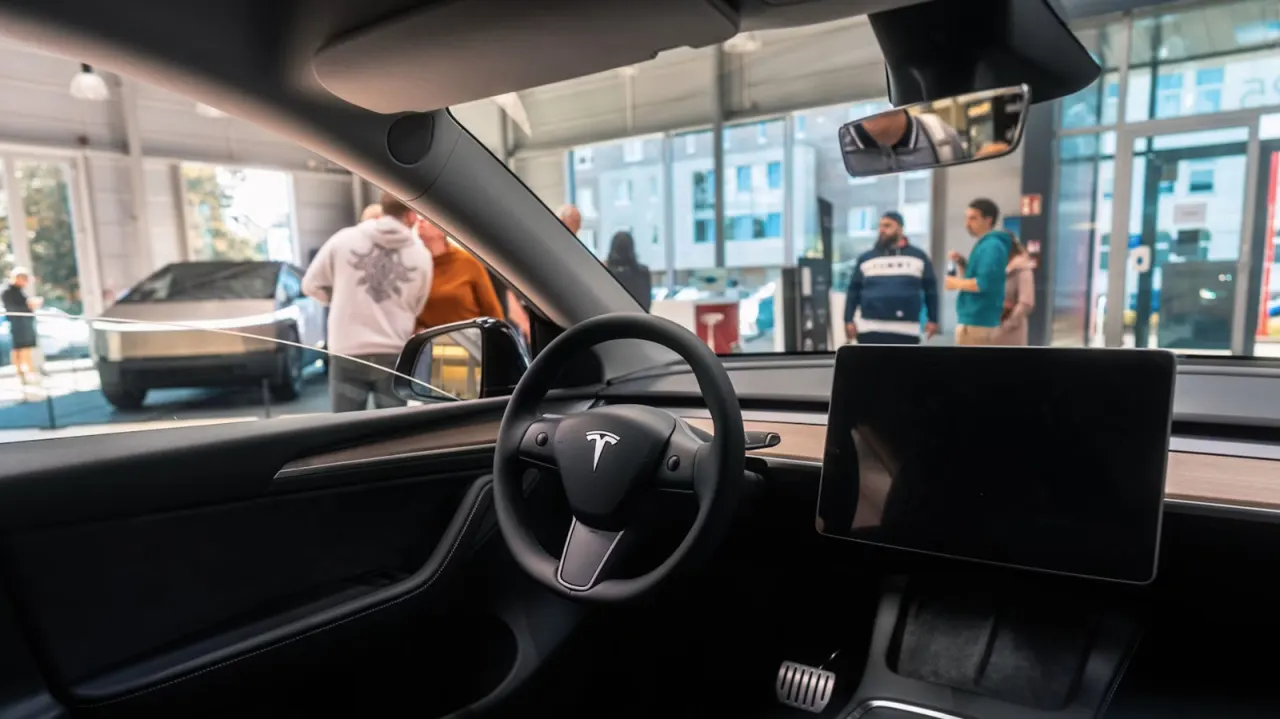
Tesla's Robotaxi fleet in Austin appears to have finally shifted to fully driverless operation, according to a report by The Verge, months after Elon Musk claimed the service had already dropped human safety monitors and promised the whole fleet would be unsupervised by the end of 2025. The claim is notably not coming from Tesla or Musk but from independent tracking, lending it more credibility, and the timing coincides with the imminent launch of Tesla's pedal-and-steering-wheel-free Cybercab.
Data from the crowdsourced Robotaxi Tracker app found that all 170 monitored Austin rides over the past fortnight, covering 54 vehicles, were unsupervised, a claim corroborated by social media sightings, with similar increases seen in Dallas and Houston. This marks a sharp turnaround from just a week earlier, when only 28 unsupervised vehicles were logged across six markets, though Tesla has previously been caught using remote human drivers for rides that appeared driverless. Even with this progress, Tesla remains far behind rival Waymo, which runs over 300 driverless vehicles in Austin alone and roughly 4,000 across other cities.
- Tesla's Austin Robotaxis reportedly now operate fully unsupervised, per tracking data
- Comes just before Tesla's driverless Cybercab is due to launch
- Tesla still trails Waymo, which runs thousands of driverless vehicles
New here? Start with this
Robotaxis are cars that take passengers on journeys without a human driving them in the vehicle. Companies developing them use software and sensors to navigate roads, while safety measures can include an employee in the car or a person monitoring remotely.
Tesla is led by Elon Musk and is developing a driverless taxi service alongside its Cybercab, a planned vehicle without a steering wheel or pedals. Waymo, a rival owned by Google’s parent company, already operates driverless taxis in several US cities, including Austin.
Moving from in-car safety monitors to fully driverless journeys is a significant step, but it raises questions about how reliably the cars handle real traffic and what oversight remains. Independent ride-tracking data can offer clues, though it does not by itself establish how every journey is supervised.
Both sides, in good faith
The strongest fair case each way — we don't pick a winner.
The case for
Those supporting Tesla's autonomous progress argue that this represents genuine technological achievement verified by independent tracking rather than company claims, marking meaningful advancement toward the driverless future many have worked toward. This milestone demonstrates that autonomous vehicles are becoming reality, and accelerating deployment—once safety benchmarks are met—benefits society by enabling this transformative technology sooner rather than later. Despite past overstatements, Tesla is demonstrably moving forward, and celebrating real progress is important for maintaining momentum in an industry that will eventually transform transport.
The case against
Those expressing caution point out that Tesla's documented history of using remote drivers whilst publicly claiming fully driverless operation fundamentally undermines the company's credibility on autonomous claims, making independent verification essential but insufficient for assurance. The dramatic week-to-week scaling from 28 to 170 unsupervised vehicles and the significant lag behind Waymo's proven 4,000-vehicle network suggest Tesla may be prioritising rapid deployment over rigorous safety validation and regulatory oversight. Trust in autonomous vehicle systems depends on transparency and demonstrated track records, and Tesla's past deceptions warrant heightened scrutiny before celebrating claims.