New releases, music videos and album news — indie, rap, rock and pop. Always covering Ren, Chris Webby, Sam Tompkins, bbno$, CHINCHILLA, Muse, Yungblud and more.
The 10 worst ‘Best Picture’ nominees of the 1960s
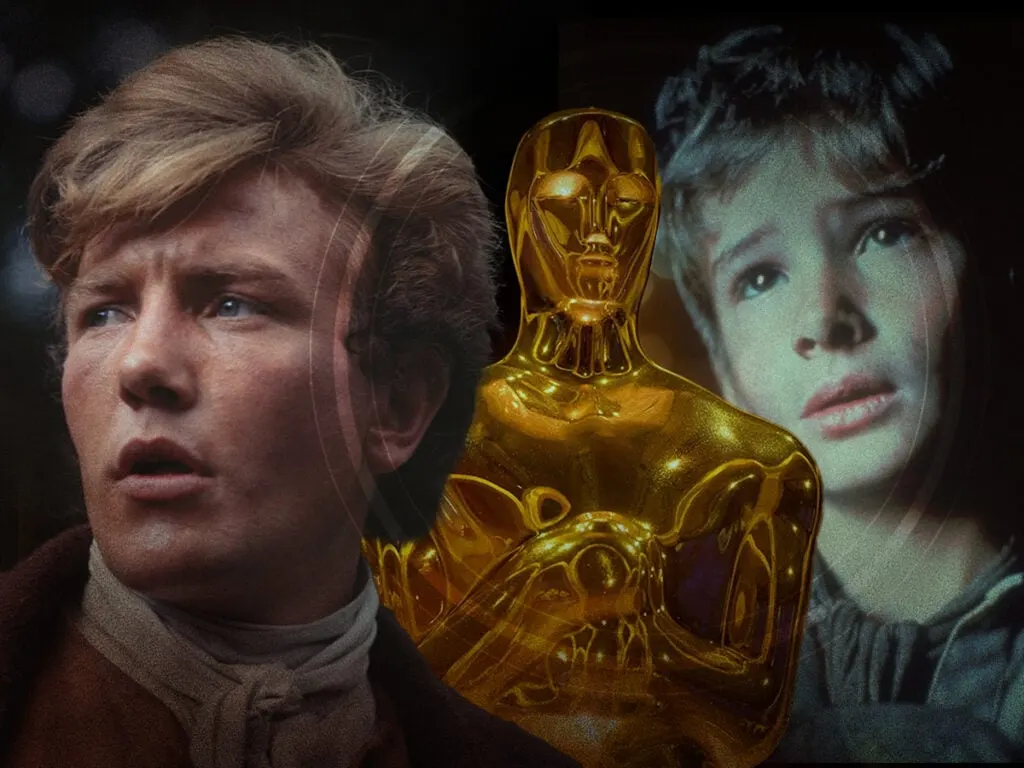
The article argues that several 1960s Best Picture nominees were lavish, widely supported productions rather than the decade’s strongest films. Hollywood was in transition, and broad Academy voting favoured major studio films, while independent movies had less ability to campaign; the result, it says, was both weak nominees and notable omissions.
It highlights four films: *The Longest Day*, criticised for its compartmentalised storytelling and dated depiction of D-Day; *Lilies of the Field*, whose straightforward story is judged too slight despite Sidney Poitier’s historic Best Actor win; *Guess Who’s Coming to Dinner*, faulted for its simplistic, dated treatment of race; and *Anne of the Thousand Days*, described as overwrought and dull despite performances by Richard Burton and Geneviève Bujold. The article also notes that Poitier was the first Black man to win Best Actor, and that Spencer Tracy received a posthumous nomination for his final performance.
In short
- Some 1960s Best Picture nominees were major productions, not the decade’s best films.
- The article criticises four nominees for dated themes or weak storytelling.
- Sidney Poitier made history as the first Black Best Actor winner.