The £71bn stealth tax bonanza: Millions of workers dragged into paying more as income thresholds stay frozen
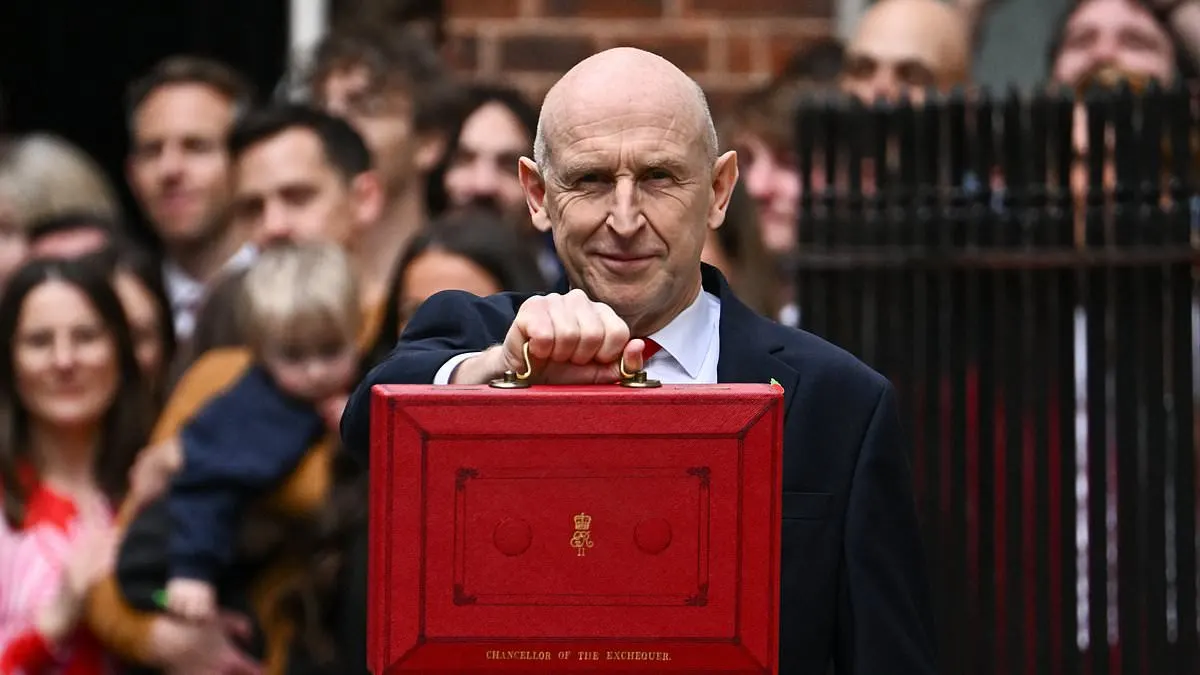
Frozen income tax thresholds are forecast to raise an extra £71 billion for the Treasury by 2030-31, as wage growth pushes more people into paying tax and higher tax bands. The policy, which the Chancellor left unchanged in the latest Budget, is expected to affect millions of workers compared with thresholds that rose with inflation.
Analysis of Office for Budget Responsibility forecasts by the Institute for Fiscal Studies estimates that 6.75 million additional people will pay income tax and 6.03 million more will pay higher or additional rates in 2030-31. The personal allowance remains £12,570, while the basic rate applies up to £50,270 and the higher rate up to £125,140. The IFS says the freeze will increase the share of taxpayers paying higher or additional rates from 15 per cent in 2021-22 to 24 per cent in 2030-31.
In short
- Frozen thresholds are forecast to raise £71 billion by 2030-31.
- Nearly 6.75 million more people are expected to pay income tax.
- The Chancellor kept the freeze in place in the latest Budget.
Steelman: both sides, in good faith
The strongest fair case each way — we don't pick a winner.
The case for
Keeping income tax thresholds frozen can raise substantial revenue without increasing headline tax rates, helping fund public services and limit borrowing. Supporters may argue that people whose incomes rise are better able to contribute, and that the policy is a transparent budget choice that can be reconsidered as economic and fiscal conditions change.
The case against
Freezing thresholds while wages rise increases many people’s tax bills and draws more workers into higher tax bands, even though the headline rates remain unchanged. Critics may argue this is a less visible way to raise taxes that weakens household purchasing power and places a growing burden on lower and middle earners, especially if thresholds do not keep pace with inflation.
Explained simply
Income tax is charged on earnings above a tax-free personal allowance. In the UK, income tax bands set the rates people pay as their income rises; the thresholds mark where each rate begins.
The Chancellor sets tax policy and the Treasury collects the revenue, while the Office for Budget Responsibility produces forecasts and the Institute for Fiscal Studies analyses tax and spending. When thresholds stay fixed as wages rise, more of someone’s income can fall into taxable bands, and some people can move into a higher rate.
This can increase tax receipts without changing the headline tax rates. It also affects workers differently depending on their earnings and how quickly their wages grow.