The Best Video Game TV Adaptation That Doesn’t Exist Is ‘The Mandalorian’ Meets ‘The Terminator’
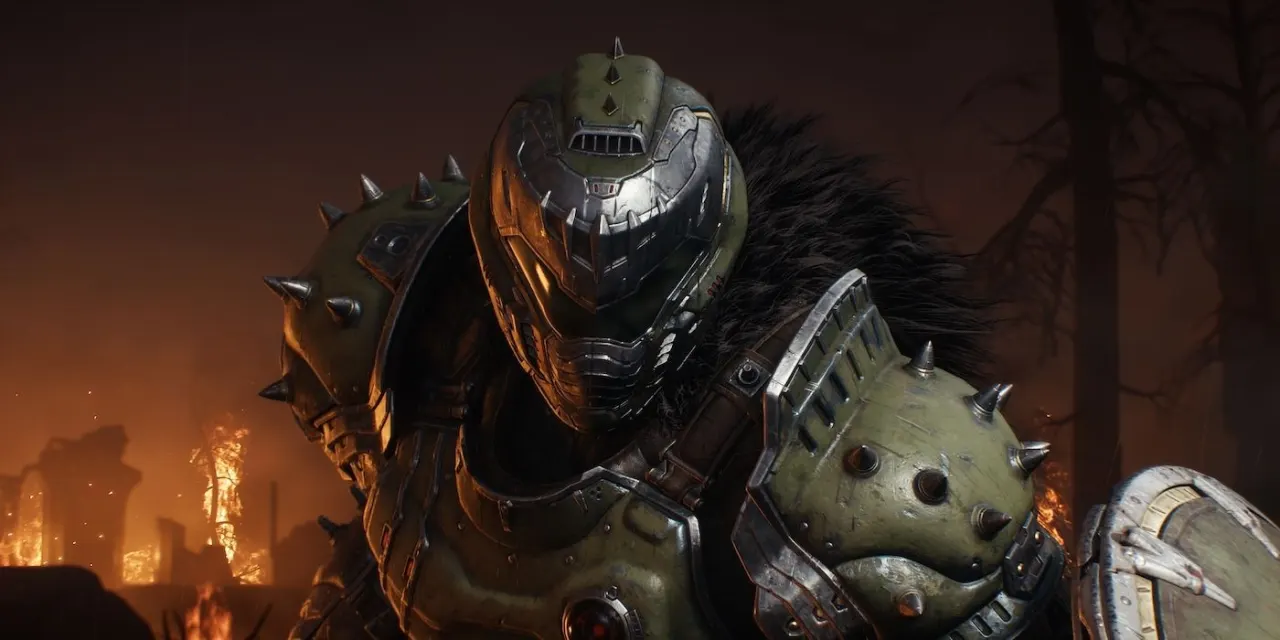
Collider argues that Doom is overdue for a live-action television adaptation, given the recent success of series based on video games such as Fallout and The Last of Us. It suggests the modern Doom games provide a strong foundation, combining intense action with an expanded mythology about the Doom Slayer’s transformation from a lone Marine into a legendary demon hunter.
The proposed series should portray its armoured, largely silent protagonist in the style of The Mandalorian, preserving his helmeted mystique while gradually exploring his anger and tragic past. It could also use Doom’s story of demonic invasion, reckless Argent-energy extraction and corporate manipulation to examine greed, profit-driven decision-making and humanity’s interference with dangerous forces, echoing themes found in The Terminator.
- Doom could be a compelling live-action television series.
- The Doom Slayer should remain helmeted and mysterious.
- Its story could pair violent action with corporate and technological themes.
New here? Start with this
Doom is a long-running video game series in which players fight demons that have invaded human bases and other worlds. It began in 1993 and became famous for fast action, science-fiction settings and its unnamed space marine hero, later known as the Doom Slayer.
The modern games, Doom (2016) and Doom Eternal (2020), gave the hero a larger backstory. He is an armoured warrior who says little, but is presented as a feared figure with a long history of fighting demons.
The series also involves powerful companies and officials trying to use a substance called Argent energy, despite the risks linked to the demonic realm. Recent television versions of games including The Last of Us and Fallout have increased interest in adapting established game worlds for new audiences.
Both sides, in good faith
The strongest fair case each way — we don't pick a winner.
The case for
A Doom television series could translate the modern games’ distinctive combination of relentless action, gothic science fiction and mythic lore into a format that has recently worked well for video-game adaptations. Keeping the Doom Slayer largely helmeted and sparing with words could preserve the character’s intimidating mystique, while a gradual exploration of his past would give viewers an emotional route into the story. Its conflict over Argent energy and corporate recklessness also offers scope for a serious cautionary drama about profit, responsibility and catastrophic technological ambition.
The case against
Doom’s central appeal is the player’s immediate control over a near-silent force of destruction, and that experience may be difficult to reproduce through passive television without losing what makes the games distinctive. Expanding the Slayer’s inner life or mythology too far could weaken the blunt, archetypal quality that has made him effective, while a Mandalorian or Terminator-inspired approach risks making the adaptation feel derivative. Critics may also argue that the franchise’s thin narrative is better suited to a tightly focused film or to remaining a game, rather than being stretched into a serial drama.