Car solar panels can add range but rarely power everyday journeys
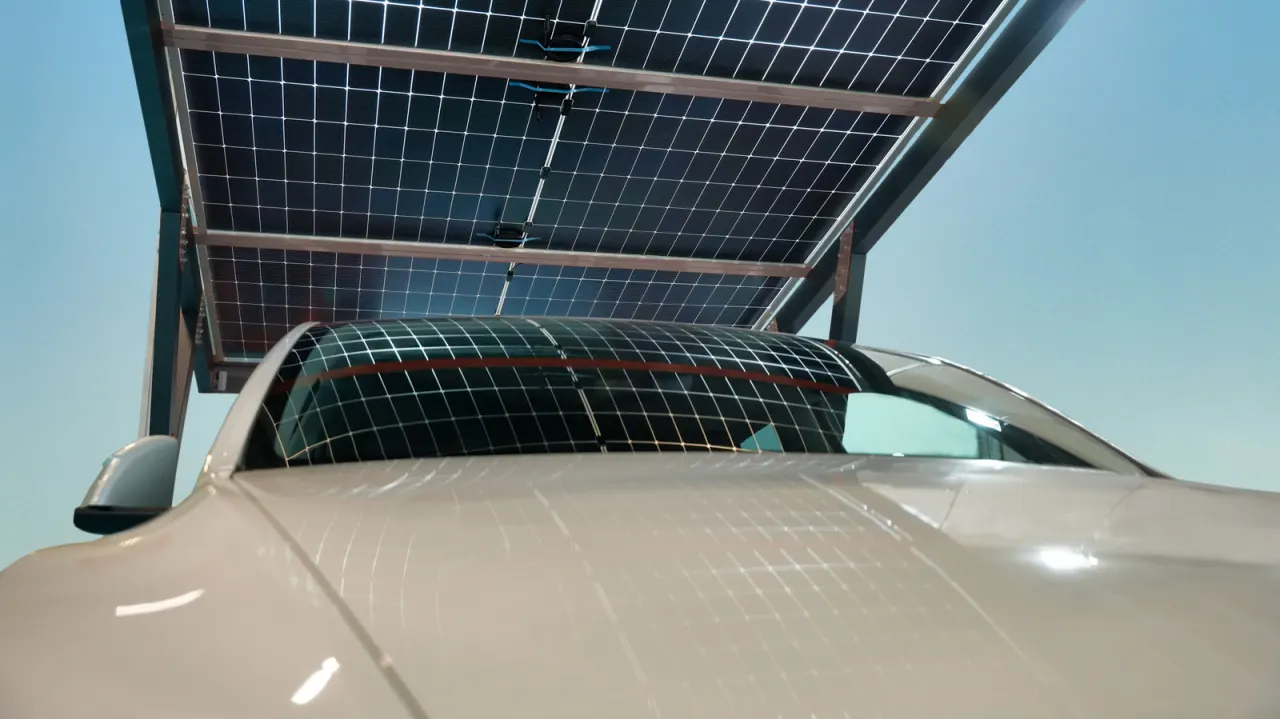
Solar roofs can add some driving range to electric vehicles, but a conventional car’s roof is too small to generate enough electricity to power most journeys. Adding panels can also increase weight and drag, so manufacturers are exploring ways to collect more sunlight while keeping vehicles efficient.
The EPA estimates a median 2025 EV uses 390 watt-hours per mile. A 400-watt roof array producing its rated output for four hours would generate 1.6 kilowatt-hours before charging losses, enough for about four miles in favourable conditions. Nissan’s prototype extender increases its output from 300 to 500 watts when parked, while Aptera is targeting 100 watt-hours per mile; a test measured 4.23 kilowatt-hours collected by its prototype in July. Aptera aims to start building its first 40 production vehicles by the end of 2026, with deliveries expected in early 2027, subject to financing and other conditions.
In short
- A typical 400-watt solar roof adds about four miles in ideal conditions.
- More panels can increase vehicle weight and drag.
- Solar charging works best with efficient cars and sunny parking.
Steelman: both sides, in good faith
The strongest fair case each way — we don't pick a winner.
The case for
Solar panels can make EVs more useful by adding some range from energy that would otherwise go unused, particularly for cars parked in sunny places or used for short local trips. Proponents argue that even a modest contribution can reduce charging needs and emissions, and that improving panel efficiency and vehicle design could make the benefit more substantial over time.
The case against
For most drivers, a car’s limited roof area and variable sunlight mean solar panels cannot reliably power everyday journeys, while charging losses further reduce the energy gained. Critics argue that added weight, drag, cost and complexity may outweigh a small range increase, so improving conventional charging and vehicle efficiency is a more practical priority.
Explained simply
Electric vehicles run on batteries, which are charged from the mains or at public charging points. Some makers also fit solar panels to a car’s body so sunlight can add electricity to the battery while the vehicle is parked or being driven.
The amount a car can collect depends on sunlight, panel size and how efficiently the vehicle uses energy. A typical roof has limited space, so solar power is usually a small supplement rather than a replacement for plugging in; panels can also add weight and affect how easily the car moves through the air.
Established carmakers and newer companies such as Aptera are exploring larger or more efficient solar systems. The challenge is to collect enough energy to make a useful difference without reducing the vehicle’s overall efficiency.
Read the full article at the source →
Originally published by Engadget as “The biggest problem with trying to directly power EVs with solar roofs”.