Technology news and discussion on TalkFuse.
How to recognise automated number plate cameras and their limits
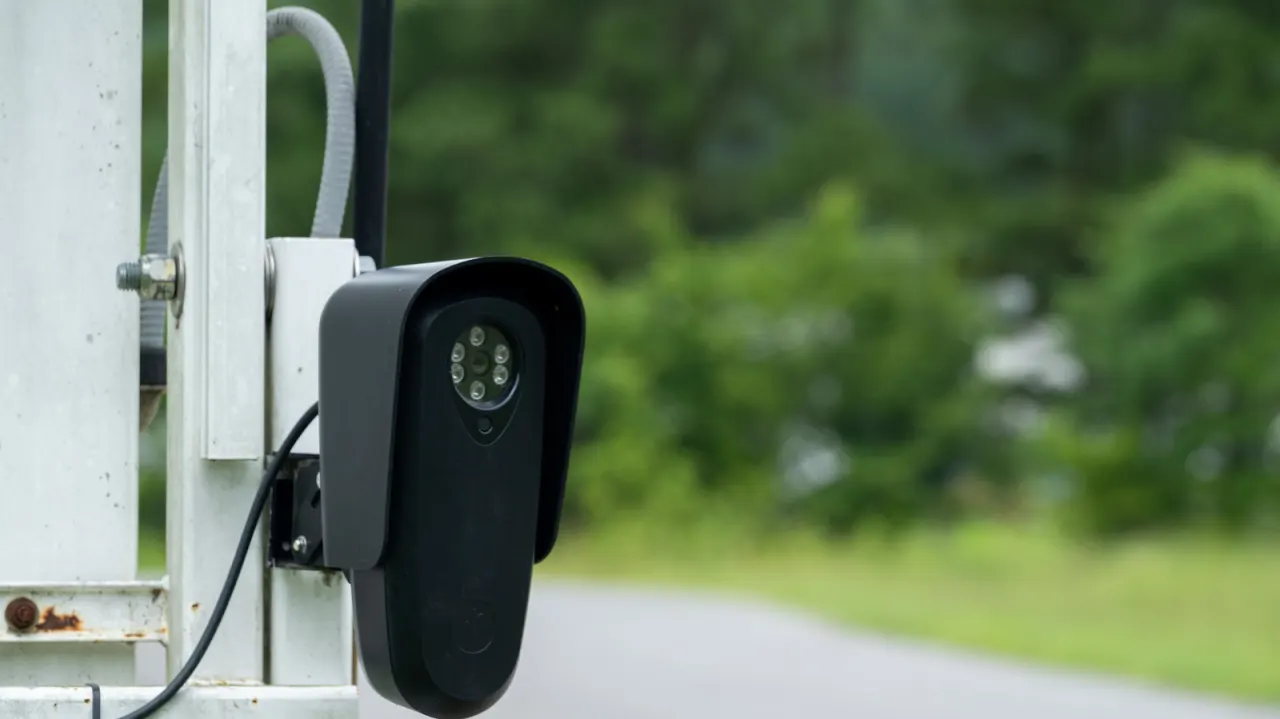
Flock cameras are best known as automated number plate readers, but the term is often used for similar devices made by other companies. They record vehicles’ number plates, locations and times, raising broader questions about how surveillance technology is used and how easily the cameras can be recognised.
Many units are small, narrow and mounted on poles near intersections, neighbourhood entrances or shopping centres; some have solar panels and may carry Flock’s bird logo. Depending on the system, they can also identify vehicle features or, in other models, track pedestrians. Similar-looking traffic cameras and newer software that turns ordinary cameras into plate readers make visual identification uncertain, and crowdsourced maps are not complete; the article suggests checking the Electronic Frontier Foundation’s Atlas of Surveillance for information about local police technology.
In short
- Flock is one of many brands of automated number plate readers.
- Cameras may record vehicle details and appear in several forms.
- Lookalikes and incomplete maps make identification uncertain.
Explained simply
Automated number plate readers are cameras that capture a vehicle’s plate along with the time and place it passes. Police and other authorities can use the records to look for vehicles linked to an investigation, though the information collected can also show where cars have travelled.
Flock is one company that makes these systems, but similar devices are sold by others. They may be mounted on poles near roads or entrances, and some have solar panels; appearance alone cannot reliably distinguish a plate reader from an ordinary traffic camera. Some systems can also record vehicle features, while newer software can add plate-reading to existing cameras, making it harder to tell what a device does.
Read the full article at the source →
Originally published by Engadget as “What exactly are Flock cameras and how can you spot one?”.