The downsides of switching from iPhone to Android
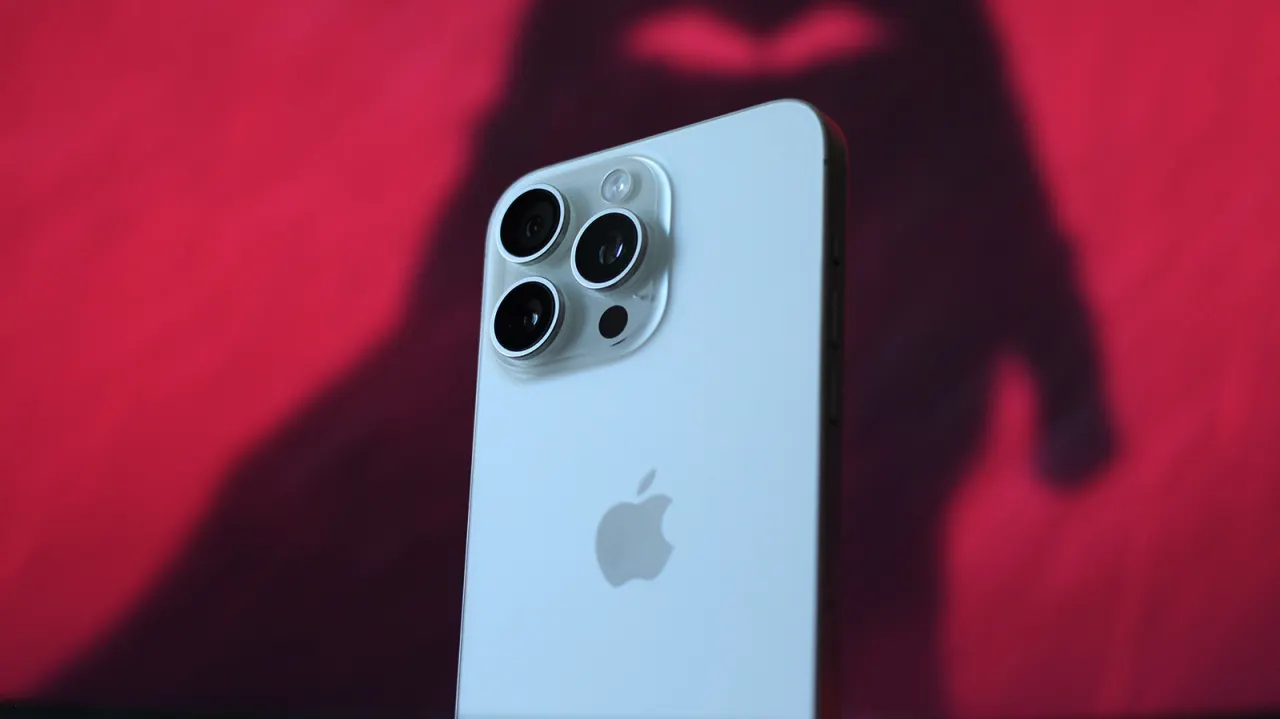
The author, a longtime Android user who spent time on the iPhone before switching back to a OnePlus 15, reflects on the friction involved in moving between the two ecosystems. While transferring data such as WhatsApp chats, contacts and calendars has become far simpler than before, the piece highlights that Apple's ecosystem still creates significant lock-in for anyone who has invested heavily in its devices and services, and that this matters for anyone considering a switch away from iPhone.
Key drawbacks include weaker software support on most Android phones, with many manufacturers offering only three to four years of updates compared with Apple's stronger track record, even though firms like Google and Samsung now promise up to seven years. Apple accessories pose the biggest hurdles: AirPods lose features such as reliable Spatial Audio on Android, and Apple Watch cannot pair with Android devices at all, meaning users must keep an iPhone nearby to sync health data. Some improvements have narrowed the gap, including AirDrop-style file sharing on select Android phones and the arrival of RCS messaging on iPhone, though iMessage remains exclusive to Apple, and certain apps, such as the flight tracker Flighty, are unavailable on Android. The author also notes iOS retains advantages in design consistency, even as they criticise its keyboard and file management compared with Android.
- Switching data between iPhone and Android has become much easier
- Apple accessories like AirPods and Apple Watch lose functionality on Android
- Android phones generally get fewer years of software updates than iPhones
Both sides, in good faith
The strongest fair case each way — we don't pick a winner.
The case for
Apple's ecosystem creates genuine, material lock-in—Spatial Audio on AirPods degrades, Apple Watch becomes completely incompatible, iMessage remains exclusive to Apple devices, and certain apps simply don't exist on Android. These represent real daily compromises, and when combined with many Android manufacturers still offering shorter software support than Apple's proven track record, the switching friction creates legitimate practical costs that warrant serious consideration for anyone invested in the Apple ecosystem.
The case against
The practical gap has narrowed significantly—Google and Samsung now offer seven-year software support matching Apple's standard, file sharing and RCS integration have reduced isolation, and many exclusive apps matter less to daily usage patterns than in the past. For users prioritising customization, file management, device choice, and value for money, Android's growing competitiveness in core areas arguably provides sufficient benefits to justify accepting these specific compatibility trade-offs, particularly for those not heavily invested in Apple's premium accessories.