Lidl’s high-protein mince is 60% beef, with pea protein and additives
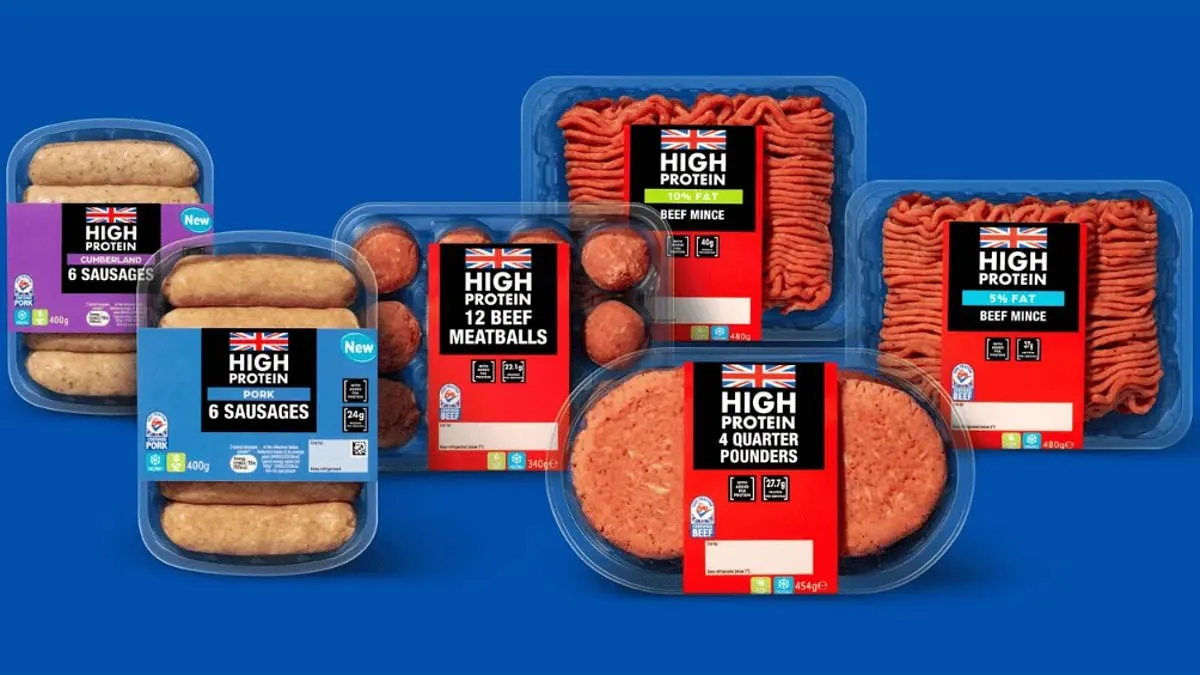
Lidl’s new mince contains 37.5g of protein per 100g, but only 60 per cent of it is beef; pea protein, water, seasoning and additives make up the rest. The product illustrates how manufacturers are responding to rising demand for protein-rich food, while prompting questions about what shoppers are actually buying.
More than a quarter of shoppers say they often seek high-protein products, over twice the share in 2021, and appetite-suppressing medicines are also contributing to demand. Dietitian Bahee Van de Bor rates ten supermarket products, favouring useful protein boosts from good sources with simple ingredients; she says ordinary foods such as eggs, dairy, fish and beans can offer broader nutrients for less money.
- Lidl’s high-protein mince is 60 per cent beef.
- Pea protein helps raise its protein content and lower its price.
- A dietitian says ordinary protein foods may offer better value.
New here? Start with this
Protein is a nutrient the body uses to build and repair tissue, and it is found in foods such as meat, eggs, dairy, fish and beans. Food makers have increasingly marketed products as high in protein as more shoppers look for them, including some people using medicines that can reduce appetite.
A product’s protein figure does not show by itself which ingredients provide it or what else is in the food. Dietitian Bahee Van de Bor compares supermarket options by looking at protein sources and ingredient lists, as well as the wider nutrients and cost that shoppers may want to consider.
Both sides, in good faith
The strongest fair case each way — we don't pick a winner.
The case for
A high-protein mince can offer a convenient way to increase protein intake, especially for shoppers who actively seek protein-rich foods. If the price and taste suit them, adding pea protein may help deliver more protein per serving and give manufacturers another way to meet demand.
The case against
Shoppers may reasonably expect a product called mince to consist mainly of meat, so 60 per cent beef could make the name and protein claim less informative without careful label-reading. Those seeking nutritious value may prefer simpler foods such as eggs, dairy, fish or beans, which can provide a wider range of nutrients for less money.
Read the full article at the source →
Originally published by Daily Mail as “The great protein con: What’s inside your ‘high-protein’ meals and snacks as our experts rate the most popular options – and expose how manufacturers are cashing in”.