Politics news and discussion on TalkFuse.
The left’s war on religion in public life
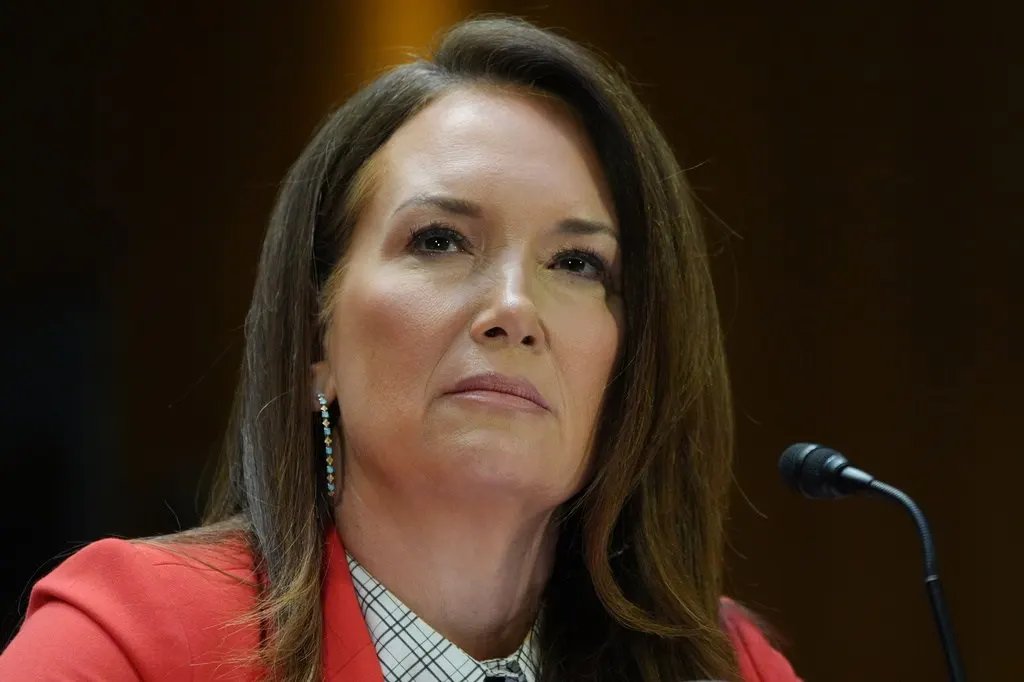
A US district judge has barred Agriculture Secretary Brooke Rollins from mentioning God in official communications when doing so could make even one department employee uncomfortable. The editorial argues that the injunction wrongly restricts religious expression in public life and conflicts with the First Amendment.
The article identifies Judge Trina Thompson, appointed by Joe Biden, as the issuer of the injunction last week. It contrasts the ruling with early US presidents’ frequent references to God in government communications, including those associated with the First Amendment’s Establishment Clause; it gives no further details about the case or the order’s scope.
In short
- A judge restricted when the agriculture secretary may mention God.
- The editorial says the injunction conflicts with the First Amendment.
- It contrasts the ruling with early presidents’ public references to God.
Steelman: both sides, in good faith
The strongest fair case each way — we don't pick a winner.
The case for
Those who favour reversing the injunction argue that a secretary's references to God in official communications are a legitimate form of personal expression, and that the nation's founders and early presidents invoked God in government communications without this being seen as establishing religion. They contend that a standard based on whether a single employee might feel uncomfortable is so subjective that it could chill ordinary speech and weaken First Amendment protections for religious expression. On this view, a pluralist society should accommodate religious language in public life rather than require officials to remove it from their work.
The case against
Those who support the injunction argue that the Establishment Clause requires government to remain neutral on religion, and that a federal department speaking in religious terms can signal official endorsement of one faith to employees and the public. They point out that federal employees depend on their employer for their livelihood and advancement, so a senior official's religious messaging may carry coercive weight that a private citizen's would not. Their concern is less about the word 'God' itself than about protecting workers of differing or no faith from pressure in the workplace and upholding the principle that public institutions serve all citizens equally. They may also note that the employee-discomfort standard is a case-by-case means of addressing these concerns rather than a blanket ban on religious speech.