Plug prong holes help moulding and once secured plugs in older sockets
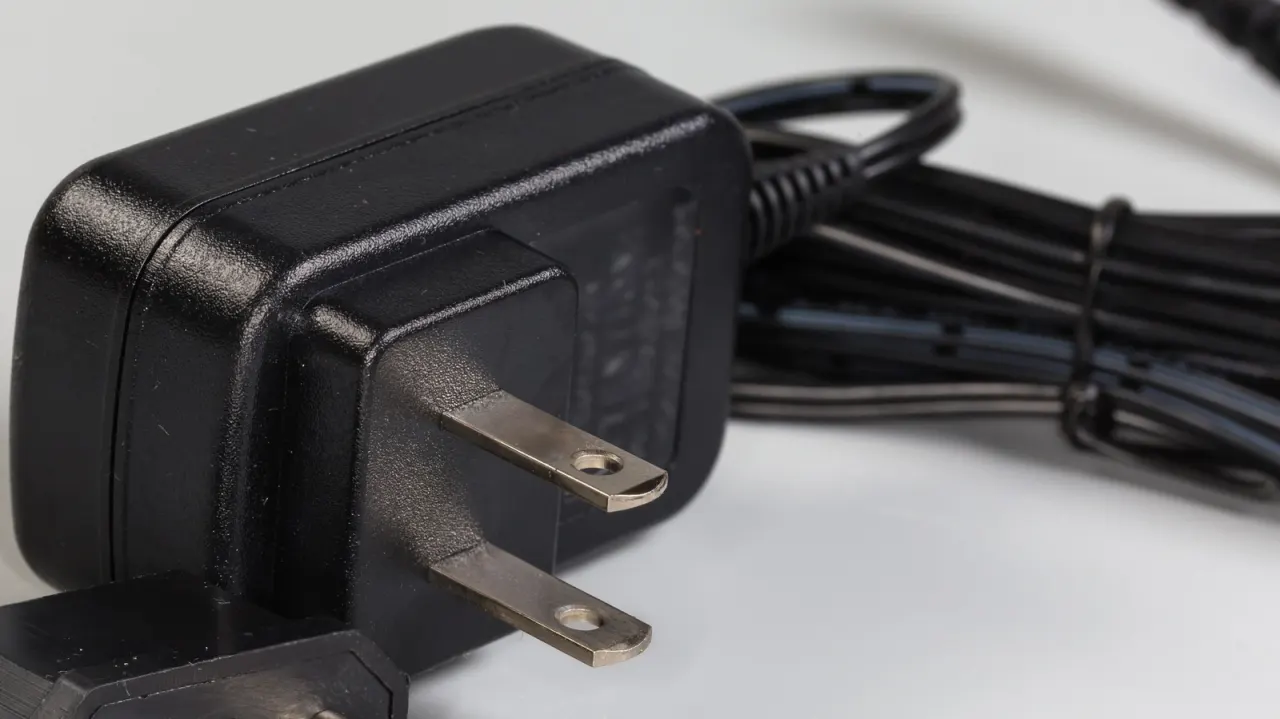
The holes in electrical plug prongs are mainly a manufacturing aid today, helping hold the metal blades in position while plastic is moulded around them. They matter because they explain a familiar design feature that is often mistakenly thought to help modern sockets grip plugs.
The holes once worked with raised features, called detents, inside older sockets to retain plugs. Underwriters Laboratories later set requirements for sockets to hold plugs without those features, and manufacturers largely dropped the detents because they could make plugs harder to remove. Plugs with solid blades can still work in suitable sockets, while plugs with holes remain compatible with older designs; a plug that slips out may indicate a worn socket.
In short
- Prong holes help position blades during manufacturing.
- Older sockets used them with retaining detents.
- Solid prongs can work in suitable sockets.
Explained simply
Electric plugs have changed as socket designs and manufacturing methods have developed. The holes in the metal prongs are now mainly used to keep the prongs in place while the plastic plug body is moulded around them.
In some older sockets, small raised parts inside the slots fitted into the holes and helped hold the plug in place. Underwriters Laboratories, a safety standards organisation, later set requirements for sockets to grip plugs without those parts, which could make plugs harder to remove.
Both solid prongs and prongs with holes can work in suitable sockets. If a plug slips out easily, the socket may be worn.
Read the full article at the source →
Originally published by Engadget as “The reason most electrical plug prongs have holes in them”.